New Clients Enjoy $40 OFF Their First Exam!*
Subtle Signs Your Cat May Be Hiding an Illness


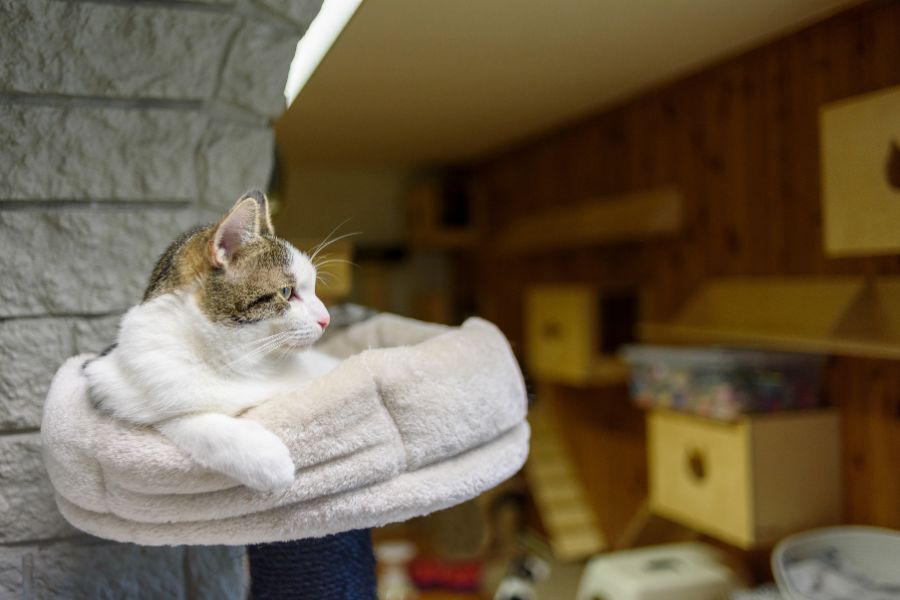
Cats are experts at appearing normal when something is wrong. A cat can have an illness while eating normally. Small changes often provide the earliest clues: sleeping longer, grooming differently, drinking more, hiding, losing weight, or losing interest in play. This guide covers subtle signs, urgent symptoms, home monitoring, and health checks.
Why Cats Hide Signs of Illness
Cats naturally mask weakness. That instinct remains in house cats, so obvious symptoms may appear late. A quiet cat may not cry, limp, or show distress even when uncomfortable.
Changes from your cat’s normal routine matter most. Knowing its usual appetite, activity, grooming, sleep, water intake, and litter box routine makes unusual behavior easier to spot.
10 Subtle Signs to Watch
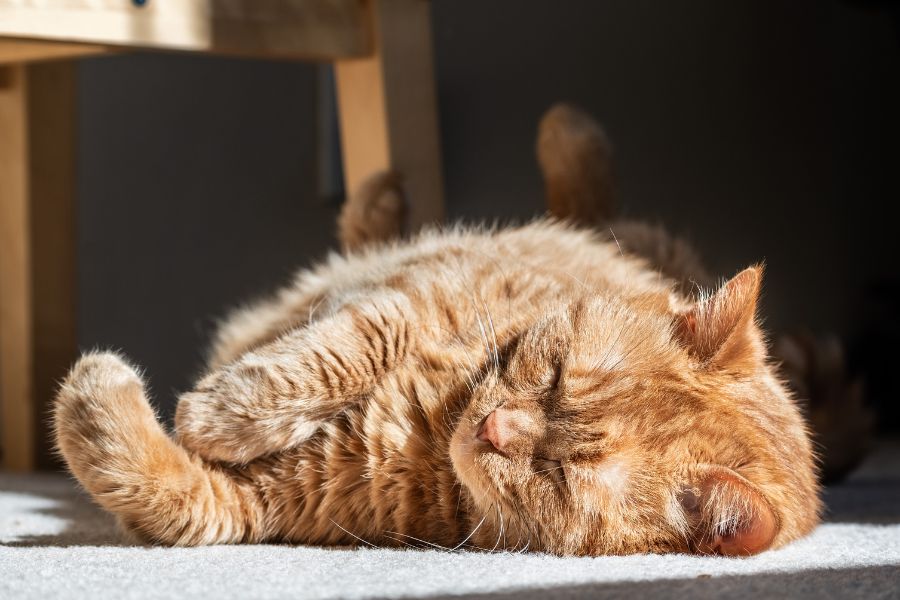
1. Sleeping More or Playing Less
A drop in energy can be easy to dismiss as aging. Persistent lethargy may accompany pain, infection, anemia, heart problems, or other illness.
2. Hiding More Often
A cat that suddenly spends more time under furniture, in closets, or away from family may be uncomfortable or stressed. A lasting change deserves attention, especially with appetite changes.
3. Eating Less
Cats can become seriously unwell when they stop eating. Reduced appetite may occur with dental pain, nausea, digestive problems, kidney disease, infection, or stress. Do not dismiss prolonged food refusal as pickiness.
4. Drinking More or Less
Noticeable changes in water consumption can point to health concerns. Increased thirst can occur with kidney disease, diabetes, or other conditions. Drinking less matters when paired with poor appetite or dehydration.
5. Weight Loss
Feel for changes around the ribs during routine handling. Unexplained weight loss warrants evaluation.
6. Litter Box Changes
Watch for straining, accidents, unusual urine clumps, diarrhea, constipation, blood, or stool changes. Urinary difficulty can become an emergency, particularly in male cats.
7. Poor Grooming or an Unkempt Coat
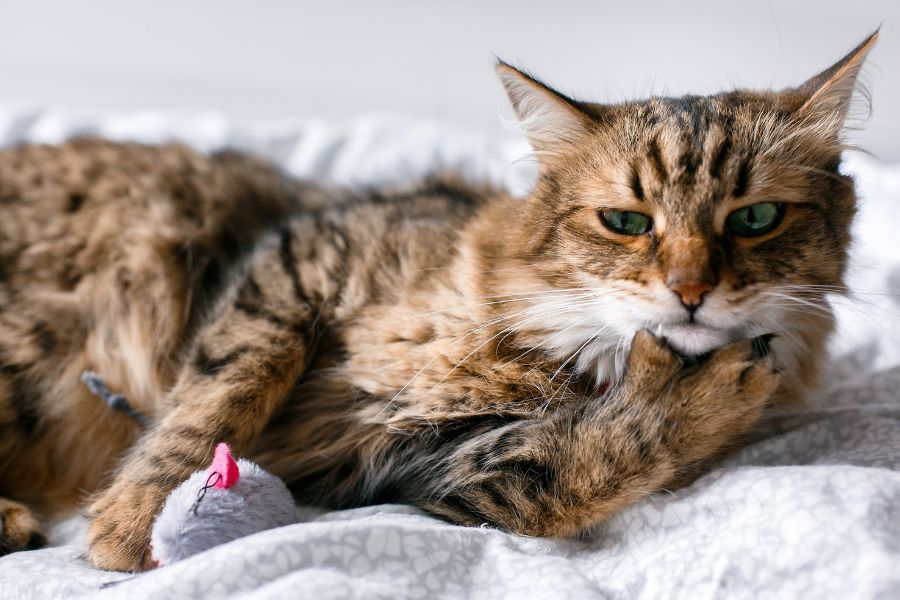
Healthy cats usually maintain their coats carefully. Greasy fur, mats, dandruff, excessive licking, or lost grooming can signal pain, skin disease, stress, or reduced mobility.
8. Bad Breath, Drooling, or Chewing Changes
Dental disease can remain hidden until painful. Watch for bad breath, drooling, dropping food, chewing on one side, pawing at the mouth, or avoiding hard food.
9. Changes in Behavior or Vocalization
An unusually irritable, clingy, restless, withdrawn, or vocal cat may be communicating discomfort. Pain and illness can alter temperament.
10. Breathing or Posture Changes
Fast breathing, open-mouth breathing, repeated coughing, difficulty settling, or a hunched posture should never be ignored. These signs can indicate respiratory distress or pain.
Signs That Need Prompt Veterinary Attention
Seek urgent care if your cat has trouble breathing, collapses, cannot urinate, has repeated vomiting, severe weakness, seizures, significant bleeding, or sudden inability to walk. A cat that stops eating should receive prompt guidance, particularly if refusal continues or occurs with vomiting, weakness, or weight loss.
Do not give human medications unless a veterinary professional specifically tells you to. Common medicines can be dangerous to cats.
How to Check Your Cat at Home
A routine can reveal changes early. Observe appetite and water intake daily. Scoop the litter box consistently. Check body condition during petting. Look at the eyes, ears, gums, coat, and paws when your cat is relaxed.
Keep notes about symptoms, food intake, vomiting, stool, urine, and behavior. A short video can help a veterinarian understand unusual breathing, movement, coughing, or behavior that may not occur during an appointment.
Routine cat wellness exams – wellness care and protocols – can identify changes before they become obvious. A visit may include an examination and, when appropriate, blood work, urine testing, parasite screening, dental assessment, or imaging. These tools can reveal problems behavior alone cannot detect.
When Should You Call the Vet?
Watch patterns rather than waiting for dramatic symptoms. One unusual nap may mean nothing. Persistent extra sleeping, weight loss, repeated vomiting, or litter box changes deserve professional attention.
Age matters. Kittens, senior cats, and cats with health conditions may need closer monitoring. Preventive visits establish a baseline for spotting changes.
Conclusion
Your cat does not need to look seriously ill for something to be wrong. Small changes are worth noticing, recording, and discussing. Early attention can help identify problems sooner and support comfort.
If you have noticed changes in your cat’s routine, appetite, weight, grooming, behavior, or litter box habits, book an appointment for a professional assessment. Your observations can help guide the next step in your cat’s care.
Frequently Asked Questions(FAQs):
1. How can I tell if my cat is sick?
A: Watch for changes in appetite, thirst, weight, grooming, energy, breathing, litter box habits, and behavior. Cats often hide illness, so a persistent change from normal should be discussed with a veterinary professional.
2. What are the first signs of illness in cats?
A: Early signs can include sleeping more, hiding, eating less, drinking differently, losing weight, grooming poorly, or acting unusually irritable. These symptoms are nonspecific, so an examination may be needed to find the cause.
3. How long can a cat go without eating?
A: Cats should not be allowed to go without food for an extended period. Appetite loss can become serious, particularly in overweight cats. Contact a veterinarian promptly if your cat refuses food or develops other symptoms.
4. Is hiding a sign that my cat is sick?
A: It can be. Cats may hide because of stress, fear, pain, or illness. A sudden or persistent increase in hiding is more concerning when accompanied by appetite loss, lethargy, vomiting, or litter box changes.
5. How do I know if my cat has pain?
A: Pain may appear as hiding, reduced movement, unusual aggression, restlessness, changes in grooming, appetite loss, altered posture, or reluctance to jump. Cats rarely show pain in an obvious way, making behavior changes important clues.
6. Should I take my cat to the vet for subtle changes?
A: Persistent or unexplained changes deserve attention. A veterinarian can assess your cat and decide whether testing is appropriate. Prompt evaluation matters when appetite, breathing, urination, mobility, or consciousness changes suddenly.