New Clients Enjoy $40 OFF Their First Exam!*
Can People With Cat Allergies Own a Maine Coon?


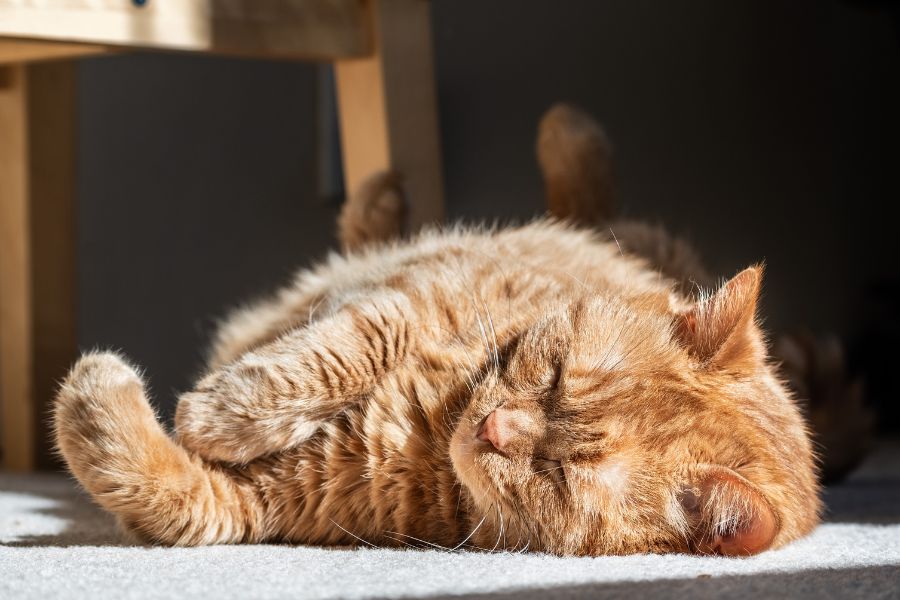
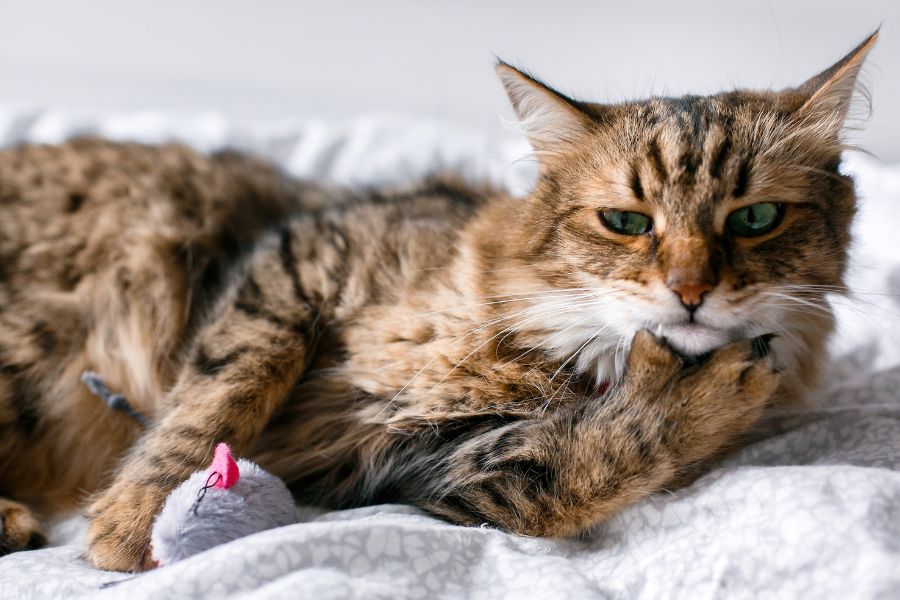
Living with cat allergies does not automatically rule out owning a Maine Coon, and this large, long-haired breed is not hypoallergenic. Maine Coon cats produce allergens, mainly Fel d 1, through saliva and skin oils that spread onto fur and into the home. Allergy severity varies from person to person. A careful trial, allergy evaluation, household cleaning plan, grooming routine, and realistic expectations can help you decide if a Maine Coon fits your life. Your home setup and symptom pattern deserve equal attention.
Are Maine Coon Cats Hypoallergenic?
No. Maine Coon cats are not hypoallergenic. Their long, dense coats can carry allergen-containing material onto furniture, bedding, carpets, and clothing.
Maine Coon cats can feel especially challenging for allergy sufferers because their coats are long, dense, and prone to shedding. More fur around furniture, bedding, carpets, and clothing can mean more allergen exposure.
What Causes a Maine Coon Allergy?
Cat allergies are immune reactions to proteins, not hair itself. Fel d 1 is a major trigger, and cats produce several allergenic proteins.
A Maine Coon spreads allergens during grooming. Saliva dries on the coat, and skin flakes enter the environment. Allergens can remain on fabrics, floors, furniture, and clothing.
Symptoms may include sneezing, nasal congestion, itchy eyes, coughing, wheezing, skin irritation, or asthma symptoms. Severity varies between people and individual cats.
Does Long Hair Make Maine Coons More Allergenic?
Long hair does not automatically mean a Maine Coon produces more Fel d 1. Coat length can influence how much allergen-containing material is carried around the house. Shedding patterns matter. Household exposure matters. Individual cat biology matters.
Can Allergy Sufferers Live With a Maine Coon?
Some people with mild cat allergies can live successfully with a Maine Coon. Others cannot tolerate regular exposure. There is no reliable guarantee that one Maine Coon will cause fewer symptoms than another.
Spend time with the specific cat before adoption. A short visit may not reveal your full response. Repeated exposure can provide more useful information. An allergist can discuss testing and treatment if symptoms are significant.
How to Reduce Cat Allergies at Home
Keep the Bedroom Cat-Free
Make the bedroom a low-allergen zone. Keep the door closed. Wash bedding and use washable covers where practical.
Use HEPA Filtration and Smart Cleaning
A HEPA air purifier can help reduce airborne particles. Vacuum carpets and upholstery with a HEPA-filtered vacuum. Damp-dust hard surfaces and wash soft furnishings when possible. Clean areas where the Maine Coon sleeps or spends significant time.
Groom the Maine Coon Carefully
Regular brushing can reduce loose hair and help keep the coat manageable. A non-allergic household member can handle brushing when possible. Grooming outdoors may reduce indoor allergen spread. Hands should be washed after handling the coat.
Bathing may remove some allergens temporarily; frequent bathing is not suitable for every cat. Ask a qualified professional about an appropriate grooming routine.
Wash Hands and Manage Fabrics
Wash hands after petting your cat. Avoid touching your eyes or face immediately after handling the Maine Coon. Wash blankets, cat beds, and frequently used fabrics regularly. Limit upholstered furniture if symptoms are difficult to control.
Does Coat Color Affect Cat Allergies?
Coat color does not make a Maine Coon hypoallergenic. Allergens come from proteins, not pigmentation. Choosing by color cannot reduce allergy risk or predict symptoms.
Should You Adopt a Maine Coon If You Have Allergies?
There is no universal yes or no. Mild symptoms may be manageable with environmental controls and medical guidance. Severe reactions or breathing problems require careful consideration before bringing a cat home.
Do not rely on claims that Maine Coons are allergy-friendly or that a specific coat color is safer. Meet the individual cat, assess your symptoms, and discuss allergy testing when appropriate.
If you decide to adopt, routine veterinary care can help keep your Maine Coon healthy and comfortable. A healthy skin and coat routine can help identify problems that increase shedding or skin debris.
The Bottom Line
Can people with cat allergies own a Maine Coon? Yes, some can. Maine Coon cats are not hypoallergenic, and their long coats can carry allergen-containing material throughout a home. Your individual sensitivity matters more than breed myths for you. Every home differs.
Test your tolerance before adoption. Create a low-allergen living plan. Keep sleeping areas controlled. Use HEPA filtration and regular cleaning. Maintain grooming habits. Clean favorite resting spots regularly. Seek professional medical advice when allergy symptoms are persistent, severe, or linked with breathing difficulty.
Frequently Asked Questions(FAQs):
1. Are Maine Coon cats good for people with allergies?
Maine Coon cats are not hypoallergenic. Their long coats can carry dander and dried saliva around the home. People with mild allergies may manage exposure; others may develop symptoms from regular contact.
2. Do Maine Coon cats produce less Fel d 1?
There is no dependable guarantee that Maine Coon cats produce less Fel d 1. Individual cats vary in allergen production, and personal sensitivity varies. Meeting the specific cat is more useful than relying on breed claims.
3. Can bathing a Maine Coon reduce allergies?
Bathing can temporarily remove allergens from a cat’s coat; it does not stop allergen production. Frequent bathing may irritate skin. Grooming should suit the cat’s coat and skin needs.
4. Are male or female Maine Coon cats less allergenic?
Sex does not provide a reliable allergy-safe choice. Intact male cats may produce more Fel d 1 on average; individual differences matter. Neutering can reduce allergen production in males; allergies can still occur.
5. What is the best way to live with a Maine Coon and allergies?
Use a HEPA purifier, vacuum regularly, wash fabrics, keep the bedroom cat-free, groom consistently, and wash hands after handling your cat. An allergist can discuss treatment when environmental measures are not enough.