New Clients Enjoy $40 OFF Their First Exam!*
Diet Changes That Help Manage Cat Diarrhea


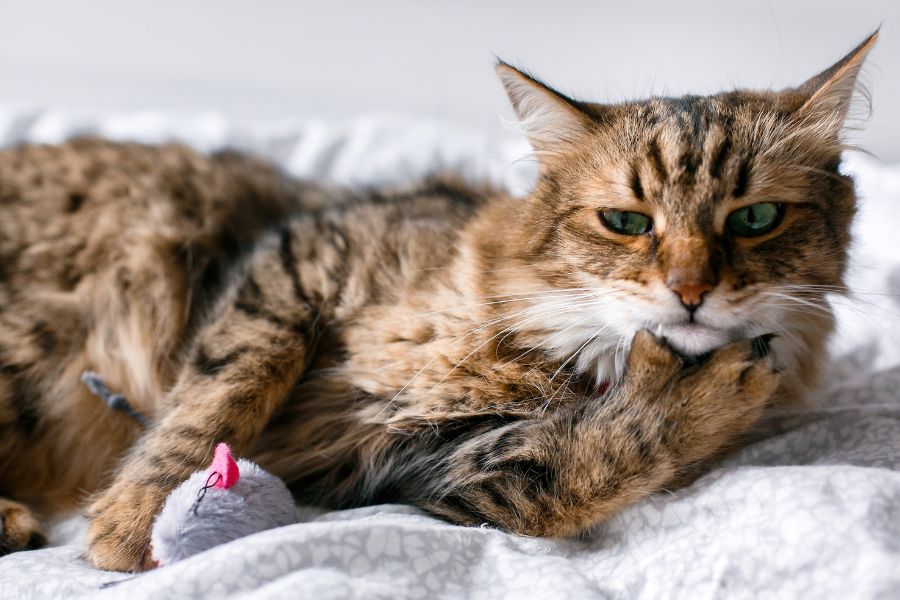
Cat diarrhea can be caused by a sudden food change, dietary intolerance, parasites, infection, stress, or an underlying illness. This guide explains what to feed a cat with diarrhea, which foods to avoid, how to return to a normal diet, when home care may be reasonable, and when a veterinarian should assess your cat.
Kittens, senior cats, cats with repeated diarrhea, and cats showing dehydration, vomiting, blood, pain, weakness, or appetite loss need prompt attention.
What to Feed a Cat With Diarrhea
The goal is a simple, digestible diet that supplies nutrition without adding unnecessary ingredients. A veterinarian may recommend a therapeutic gastrointestinal diet designed for sensitive digestion. These diets are formulated to provide balanced nutrition while keeping digestion manageable.
Some cats may benefit from a temporary bland diet recommended by a professional. Plain cooked chicken or another appropriate lean protein is sometimes suggested for short-term use, but homemade diets can lack essential nutrients. Do not rely on meat alone for several days.
Offer small portions rather than one large meal. Smaller meals can be easier for an irritated digestive system to handle. Fresh water should remain available.
Can Cat Food Cause Diarrhea?
Yes. A cat may develop loose stool after switching foods too quickly. Rich foods, unfamiliar treats, table scraps, excessive dietary fat, or an ingredient that does not agree with the cat can also contribute.
A food diary can help identify patterns. Record food, treats, supplements, portions, and stool changes.
Changing Cat Food Safely
A sudden diet change can upset the digestive tract. A gradual food transition is usually easier for cats to tolerate. Mix a small amount of the new food with the current food, increasing the new portion over several days.
If diarrhea begins during a food transition, pause the change and contact your veterinarian for guidance. Avoid repeated brand or flavor changes while symptoms continue.
Foods to Avoid During Diarrhea
Skip milk and dairy products unless your veterinarian specifically recommends them. Many cats have limited ability to digest lactose, which can worsen loose stool.
Avoid fatty meats, greasy leftovers, seasoned foods, onions, garlic, bones, and heavily processed treats. Human anti-diarrheal products should not be given unless a professional confirms that a specific product and dose are safe.
Treats deserve attention. During recovery, keep extras minimal and consistent.
Probiotics and Digestive Support
Certain cat-specific probiotics may support healthy intestinal bacteria. Their usefulness depends on the cause of diarrhea and the individual cat. Choose a product made for cats and follow professional dosing advice.
Fiber can help some cats produce firmer stools. Soluble fiber, such as psyllium, may be recommended in selected cases. Fiber is not appropriate for every cause of diarrhea, so ask your veterinarian before adding it.
How Long Should Cat Diarrhea Last?
A brief episode in an otherwise healthy adult cat may improve within a day or two. Persistent, frequent, or recurring diarrhea deserves evaluation. Diarrhea lasting more than 24 to 48 hours can increase concern about dehydration, especially when water intake is low.
Watery diarrhea, black stool, red blood, mucus, unusually pale stool, or a dramatic change in frequency should be discussed with a professional.
When Cat Diarrhea Needs Medical Attention
Seek prompt care when diarrhea occurs with repeated vomiting, weakness, abdominal discomfort, fever, dehydration, loss of appetite, weight loss, or unusual behavior. Kittens and older cats have less margin for fluid loss.
Parasites, infections, inflammatory bowel conditions, food allergies, toxin exposure, medication reactions, and organ disease can all cause diarrhea. Diet changes cannot address these causes on their own. A veterinarian may recommend an examination, stool testing, blood work, imaging, or a targeted diet trial based on the symptoms.
For help finding a veterinarian near you, use a trusted local search and choose a clinic that can evaluate ongoing digestive problems.
Returning to Normal Food
Do not rush back to a regular diet when stool first improves. Continue the recommended diet for the period advised by your veterinarian. Reintroduce the usual food gradually. Watch stool consistency, appetite, water intake, and energy during the change. A simple symptom log can reveal whether stool quality improves with a specific food, treat, portion size, or feeding schedule over several days.
A recurring reaction to a particular recipe may point toward dietary intolerance. Your veterinarian may suggest a limited-ingredient or novel-protein diet trial. Follow the trial precisely. Extra treats can interfere with the results.
Frequently Asked Questions(FAQs):
1. Can I give my cat chicken for diarrhea?
A: Plain, fully cooked, unseasoned chicken may be used for short-term support when a veterinarian approves it. Chicken alone is not nutritionally complete, so it should not replace balanced cat food for an extended period.
2. Should I stop feeding my cat when it has diarrhea?
A: Do not intentionally fast a cat without professional guidance. Cats need adequate nutrition, and prolonged food restriction can create additional health concerns. Small, frequent meals of an appropriate diet are often a better approach.
3. Is wet food better for a cat with diarrhea?
A: Wet food can provide extra moisture, which may be useful when diarrhea increases fluid loss. The specific recipe matters more than whether food is wet or dry. Choose a digestible, balanced option recommended for your cat.
4. Can changing cat food too quickly cause diarrhea?
A: Yes. A rapid change can disturb normal digestion and trigger loose stool in some cats. Introduce new food gradually over several days. If diarrhea develops or continues, ask a veterinarian before making another dietary change.
5. What foods should cats with diarrhea avoid?
A: Avoid dairy, fatty foods, table scraps, seasoned meat, rich treats, and unfamiliar foods. Never offer onions, garlic, bones, or potentially toxic ingredients. Human diarrhea medicines can be dangerous for cats and should only be used under professional direction.
6. When should I worry about my cat’s diarrhea?
A: Contact a veterinarian when diarrhea is severe, lasts beyond a day or two, keeps returning, or appears with vomiting, blood, weakness, pain, dehydration, appetite loss, or weight loss. Kittens and senior cats warrant earlier attention.