New Clients Enjoy $40 OFF Their First Exam!*
Common Dental Problems in Dogs and Cats and How to Respond


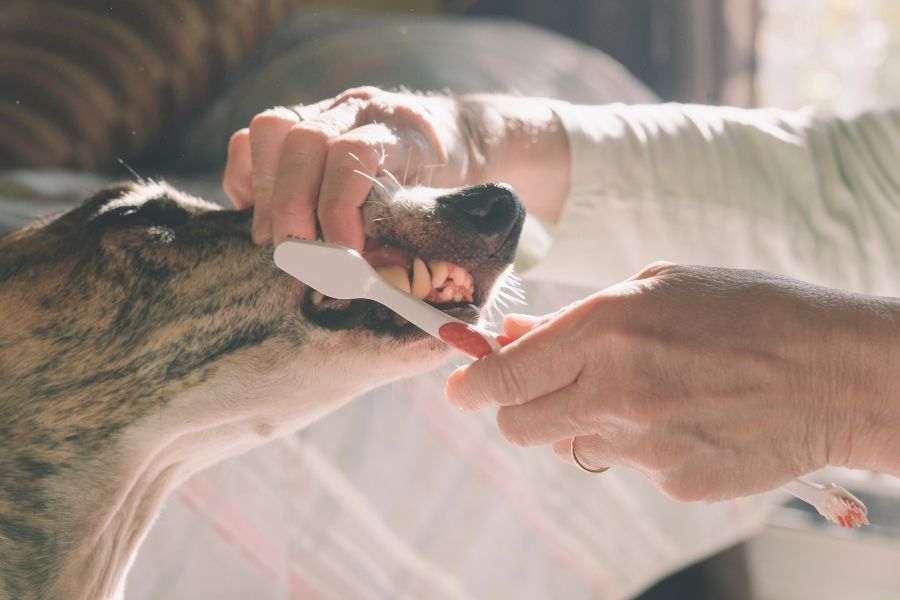
A sudden mouth injury, broken tooth, swelling, bleeding, or a pet that cannot eat can signal a serious dental problem. Action can reduce pain and protect your pet’s health. This guide covers common dental problems in dogs and cats, safe home steps, signs that need prompt care, and ways to prevent future trouble. For families in North Charleston, knowing where to turn for prompt pet care can make a stressful situation easier.
Recognizing a Dental Problem That Needs Prompt Attention
Pets often hide mouth pain. A dog may drop food, chew on one side, paw at the face, or resist mouth handling. A cat may stop eating, hide, drool, or become irritable.
Watch for these signs:
- Bleeding from the mouth
- A cracked, loose, or missing tooth
- Facial swelling
- Excessive drooling
- Trouble chewing or swallowing
- Sudden refusal of food or water
A minor chip may not require immediate treatment. A deep fracture, uncontrolled bleeding, severe swelling, or difficulty breathing needs prompt attention.
Common Dental Problems in Dogs and Cats
Broken or Fractured Teeth
Dogs can fracture teeth while chewing hard objects or playing. Cats can suffer tooth fractures from injuries or falls. A damaged tooth may expose sensitive inner tissue and cause significant pain.
Do not pull a broken tooth or apply household pain medicine. Keep your pet calm and offer soft food if swallowing is comfortable. Contact a pet care professional for guidance.
Bleeding Gums or Mouth Injuries
Mouth bleeding can come from a cut, damaged tooth, foreign material, or another health problem. A small amount may stop quickly. Continuous bleeding deserves attention.
Use clean gauze for gentle pressure when your pet allows it. Do not force your fingers into a painful mouth. Keep objects away from the injured area.
Facial Swelling
Swelling around the cheek, jaw, or under the eye can occur with an infected tooth or another oral issue. It can become painful and spread into nearby tissues.
Do not squeeze or drain swelling. A professional examination can identify the source and determine treatment.
A Tooth That Becomes Loose or Falls Out
A loose adult tooth may result from injury or dental disease. A fallen tooth can leave an exposed area needing evaluation.
Save the tooth if safe. Place it in a clean container and bring it to the appointment. Avoid touching the socket.
What to Do While You Arrange Care
Your first goal is safety. Keep your pet quiet. Prevent chewing on toys, bones, sticks, or hard treats. Offer water if swallowing appears normal. Soft food may be easier.
Never give human pain relievers unless a pet care professional specifically instructs you to use one. Some medicines can be dangerous for dogs and cats.
Avoid alcohol, peroxide, essential oils, or household products on oral wounds. They can irritate tissue or cause harm.
If you need guidance outside routine office hours, urgent care for pets can help you understand what level of attention your pet may need.
When Immediate Help Is Needed
Certain signs require rapid assessment. Difficulty breathing, heavy or persistent bleeding, severe facial swelling, collapse, extreme weakness, or inability to swallow should not be managed at home.
A pet with a serious mouth injury may become frightened or defensive. Do not attempt a detailed mouth examination if your pet resists. Transport your pet securely and follow instructions.
How Dental Visits Help
A dental evaluation focuses on the source of pain. Your pet may need an oral examination, imaging, cleaning, medication, wound care, or treatment for a damaged tooth.
Ask what caused the problem, the recommended treatment, follow-up signs, and prevention steps. Clear communication helps you make informed choices.
Preventing Future Dental Problems
Daily tooth brushing with pet-safe toothpaste can reduce plaque. Suitable dental products and regular oral checks can support healthier teeth.
Avoid hard bones, antlers, and objects that can fracture teeth. Check your pet’s mouth during grooming. Notice changes in breath, appetite, chewing, drooling, or behavior.
Regular dental care can identify problems before pain becomes severe. Puppies and kittens benefit from early mouth handling, making future examinations easier.
Conclusion
Dental problems can become painful quickly, but owners can take practical steps to protect their dogs and cats. Recognizing bleeding, swelling, broken teeth, appetite changes, and unusual mouth behavior helps you decide when prompt care is needed. Safe handling matters. Professional guidance can identify hidden damage and create a treatment plan.
Call us at 843-552-8278 for urgent care service when your pet has a serious dental problem that needs prompt attention.
If you’re located in North Charleston, reach out to Animal Hospital of North Charleston – where compassionate care and community come together for your pet’s well-being.
Common Questions Pet Owners Ask
1. What should I do if my dog breaks a tooth?
A: Keep your dog calm, remove hard chew items, and offer soft food if comfortable. Do not pull the tooth or give human medication. Arrange a prompt dental evaluation for more serious damage.
2. Is a little mouth bleeding serious?
A: Small bleeding from a minor scrape may stop quickly. Bleeding that continues, returns, or appears heavy needs prompt attention. Avoid touching the area and contact a pet care professional.
3. Can I give my cat pain medicine at home?
A: Do not give human pain medicine without professional instructions. Several medications can be unsafe for cats. Keep your cat comfortable and seek advice about safe pain control.
4. Why is my pet’s face swollen?
A: Facial swelling can develop from a damaged tooth, infection, injury, or another oral condition. Do not squeeze it. Prompt evaluation can identify the cause.
5. Should I save a tooth that falls out?
A: Save an adult pet’s tooth if you can retrieve it safely. Place it in a clean container and bring it to the appointment. Avoid touching the empty socket.