New Clients Enjoy $40 OFF Their First Exam!*
Dental Care for Older Pets: Why It Matters More Than Ever


As pets grow older, their health needs begin to evolve. One of the most overlooked aspects of senior pet wellness is dental care. Although dental hygiene is essential at every life stage, it becomes even more important during the senior years.
When dental problems go unnoticed, they can silently affect overall health. Therefore, understanding the significance of dental care for aging pets has become crucial for every responsible pet owner.
Why Dental Health Declines With Age
With age, natural wear and tear occur in a pet’s mouth. Over time, plaque hardens into tartar, gums become more sensitive, and teeth may weaken. Additionally, underlying health conditions such as diabetes and kidney disease can worsen oral issues. Because older pets often experience reduced immunity, infections can spread more quickly than in younger animals.
Furthermore, dental disease rarely appears suddenly. Instead, it gradually progresses over months or years. Sadly, many pet owners do not realize their senior pets are struggling until the symptoms become severe. This delay can make treatment more complex and painful. Thus, early awareness is essential.
Common Dental Problems in Senior Pets
Senior pets are highly susceptible to several dental issues. Although every pet is different, the following problems are commonly seen:
1. Periodontal Disease
This is one of the most frequent dental conditions diagnosed in older animals. It begins with plaque buildup, which eventually causes gum inflammation. When left untreated, periodontal disease can lead to tooth loss, jawbone damage, and chronic pain.
2. Tooth Decay and Fractures
Teeth naturally weaken with time. Chewing hard objects, poor dental hygiene, or repeated trauma can contribute to fractures. Decayed teeth often remain unnoticed until infections form deep inside the gums.
3. Oral Tumors
Senior pets have a higher risk of developing oral masses. Although not all tumors are cancerous, early evaluation is essential. Lumps inside the mouth should never be ignored.
4. Halitosis (Bad Breath)
Bad breath is often dismissed as a normal sign of aging. However, it usually indicates an underlying disease. As bacteria multiply, a foul odor is released, signaling that the mouth needs urgent attention.
By identifying these issues early, pain and complications can be significantly reduced.
How Dental Disease Impacts Overall Health
Although dental problems begin in the mouth, they rarely stay there. Harmful bacteria from the gums can enter the bloodstream. Once this occurs, vital organs such as the heart, kidneys, and liver may be affected. Consequently, dental disease can dramatically reduce a senior pet’s quality of life.
Moreover, chronic oral discomfort can change eating habits. A pet may begin to chew slowly, drop food, or refuse meals altogether. These changes lead to weight loss and nutritional deficiencies. Behavioral changes may also appear. A senior pet experiencing dental pain may become irritable or withdrawn.
Because senior pets already face age-related vulnerabilities, untreated dental disease places additional strain on their health. Therefore, preventative care becomes the best strategy.
Warning Signs of Dental Trouble in Aging Pets
Although pets rarely show obvious pain, their behavior can reveal dental discomfort. Owners should watch for the following signs:
- Difficulty chewing or a preference for soft food
- Dropping food while eating
- Pawing at the mouth
- Excessive drooling
- Swelling around the mouth
- Red or bleeding gums
- Noticeable tartar buildup
- Sudden aggression or irritability
- Persistent bad breath
If any of these symptoms are noticed, a dental evaluation should be scheduled as soon as possible. Even mild signs can indicate advanced disease in older pets.
The Importance of Professional Dental Exams
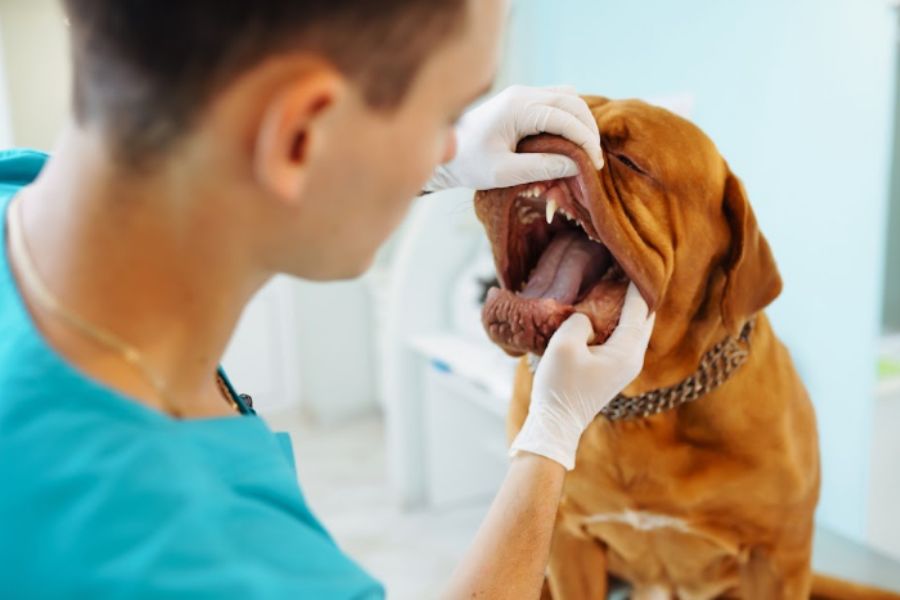
Routine dental exams become increasingly important as pets age. During these visits, the entire mouth is thoroughly evaluated. Because many dental issues develop below the gumline, X-rays are often recommended for senior pets. These images help detect hidden infections, bone loss, and tooth root problems.
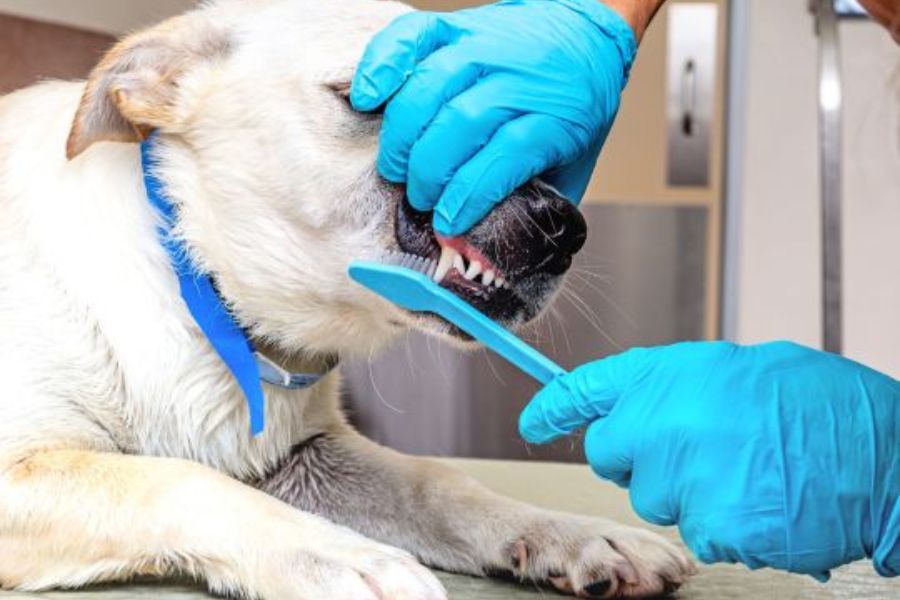
Moreover, dental cleanings performed under anesthesia allow tartar to be removed from both the visible and hidden surfaces of the teeth. Although anesthesia may cause concern for some owners, modern veterinary practices use advanced monitoring and senior-specific protocols to ensure safety. In fact, untreated dental disease poses a far greater risk to overall health than anesthesia itself.
For pet owners seeking trusted guidance, support is often provided through pet dentistry in North Charleston, SC, where comprehensive care tailored to the unique needs of aging pets is offered.
Home Dental Care Tips for Older Pets
Although professional cleanings are essential, home dental care also plays a major role in maintaining oral health. With gentle routines, senior pets can enjoy healthier teeth throughout their later years.
1. Regular Brushing
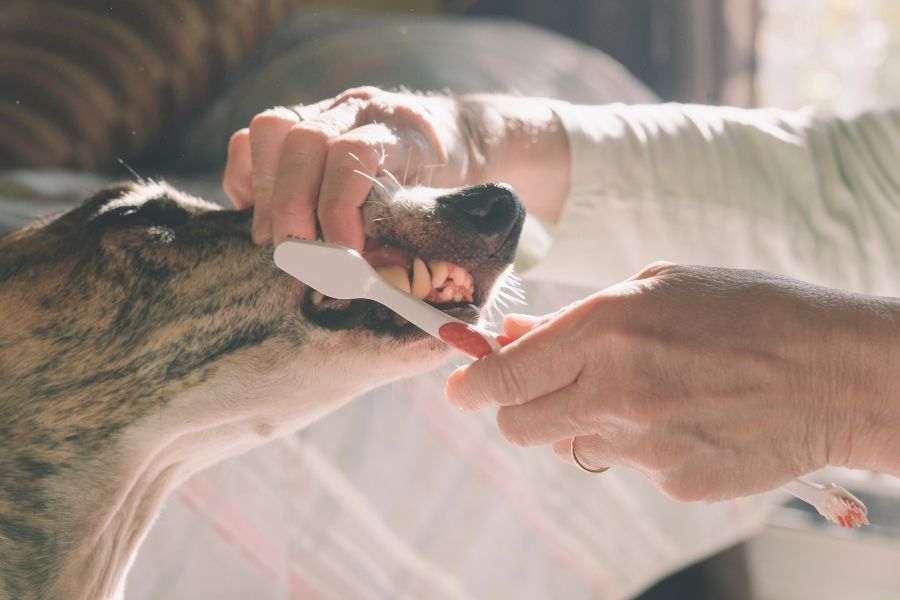
Daily or frequent brushing is the most effective way to prevent plaque buildup. A soft pet-specific toothbrush should be used, and a slow, patient approach is recommended for seniors.
2. Dental Chews and Treats
Many dental chews are designed to reduce plaque. However, senior-friendly options should be chosen to avoid strain on weakened teeth.
3. Water Additives
These can be added to drinking water to help reduce bacteria. They are particularly helpful for pets who resist brushing.
4. Prescription Dental Diets
Some veterinary-approved diets are formulated to clean the teeth while chewing. These diets may be beneficial for pets at high risk of dental disease.
5. Regular Monitoring at Home
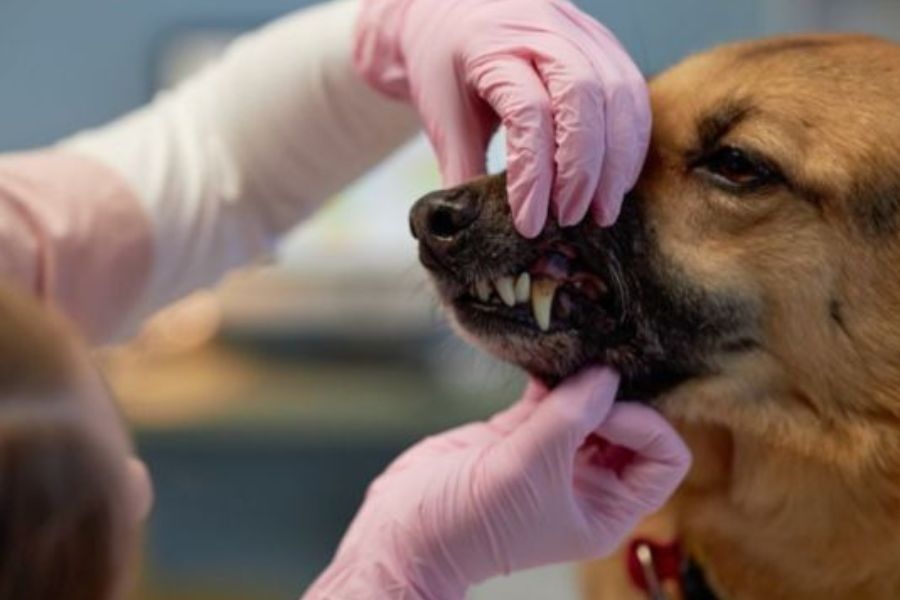
Owners should gently lift the lips and look for tartar, gum redness, or any changes. Early detection makes treatment easier and less stressful.
Making Dental Care a Priority in the Senior Years
Senior pets rely heavily on their owners for consistent care. Although dental routines may seem time-consuming, they can prevent serious disease and discomfort. With proper oral care, pets remain more active, comfortable, and energetic during their golden years.
Furthermore, establishing a regular dental schedule ensures issues are addressed long before complications arise. A combination of professional care and at-home maintenance offers the strongest protection.
Dental care is a vital part of senior pet health. As pets age, dental disease becomes more common and more dangerous. However, with routine exams, proper home care, and early intervention, serious complications can be prevented. Aging pets deserve comfort, health, and a pain-free life—and their dental health plays a major role in making that possible.