New Clients Enjoy $40 OFF Their First Exam!*
Dental Care for Pets: Why It’s More Important Than You Think


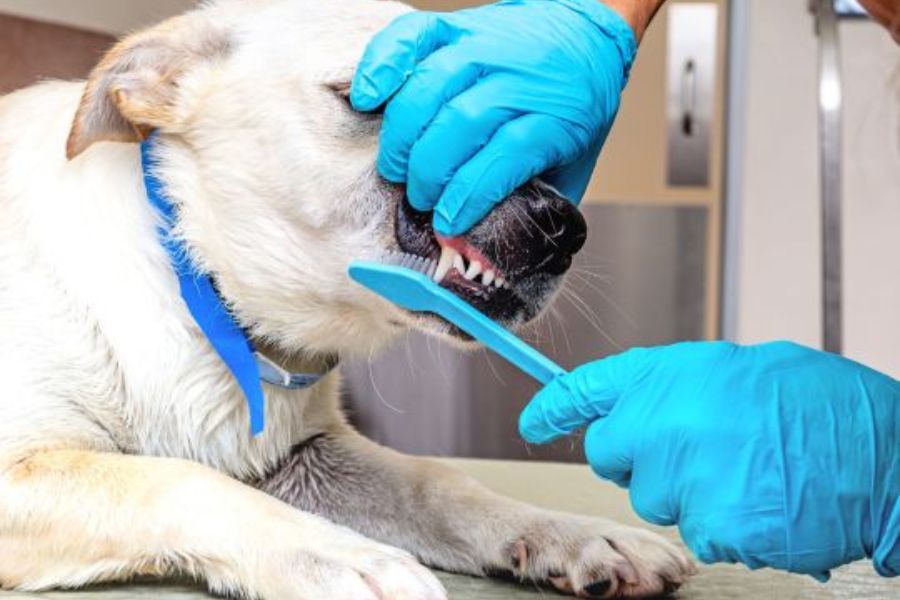
When we think about keeping our pets healthy, we usually zero in on their diet, exercise, and regular vet visits. But what about dental care? Shockingly, dental hygiene is one of the most overlooked aspects of pet wellness, even though it plays a major role in your furry friend’s overall health. If your pet has bad breath, tartar buildup, or red gums, it’s time to pay closer attention.
Let’s explore why dental care for pets is more important than you might think—and how to take action before small dental problems become serious health issues.
The Mouth: A Window Into Your Pet’s Health
You might be shocked to find out that over 80% of dogs and 70% of cats start showing signs of dental disease by the time they hit three years old. It’s not just about having a toothache or dealing with bad breath.
Untreated dental disease can lead to serious problems, such as infections that spread to the liver, kidneys, and heart.
Because pets can’t tell you when something hurts, dental issues often go unnoticed until they’ve progressed. However, regular dental care not only keeps their mouth clean but also helps prevent life-threatening complications. The mouth serves as a window into your pet’s internal health, making dental care a non-negotiable part of any wellness plan.
Bad Breath Isn’t Normal—It’s a Warning Sign
Let’s be honest: we all joke about “dog breath,” but persistent foul odors from your pet’s mouth are often the first clue that something isn’t right. Bad breath is usually caused by bacteria that build up when food particles remain trapped in your pet’s mouth.
This bacterial growth forms plaque, which hardens into tartar and irritates the gums. Left untreated, this leads to gingivitis and ultimately periodontal disease. And guess what? Periodontal disease doesn’t stay in the mouth—it allows harmful bacteria to enter the bloodstream and travel to major organs.
So next time your pet’s breath makes you recoil, don’t shrug it off. It’s time for a dental checkup.
Brushing Their Teeth Isn’t Just Cute—It’s Crucial
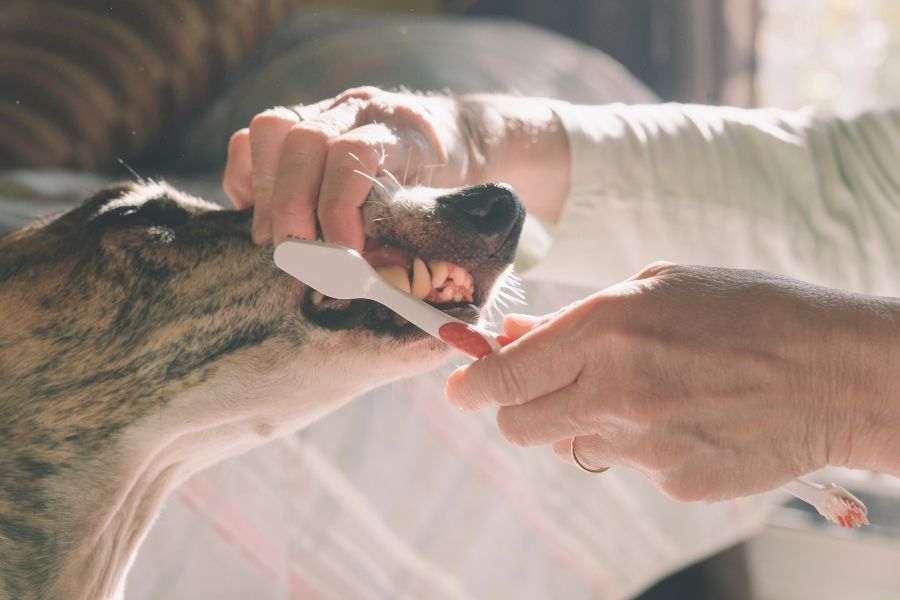
Yes, brushing your pet’s teeth may sound like a social media stunt, but it’s one of the most effective ways to prevent dental disease. Ideally, pets should have their teeth brushed daily, just like humans.
To kick things off, grab a soft-bristled toothbrush along with some toothpaste made specifically for pets—steer clear of human toothpaste! Begin slowly—let your pet sniff the brush and taste the paste. Gradually introduce the brushing motion over a few days. Soon, it will become a bonding ritual you both can enjoy.
Don’t worry if your pet resists at first. There are also dental chews, water additives, and oral rinses available to supplement brushing. The key is consistency.
The Role of Professional Cleanings
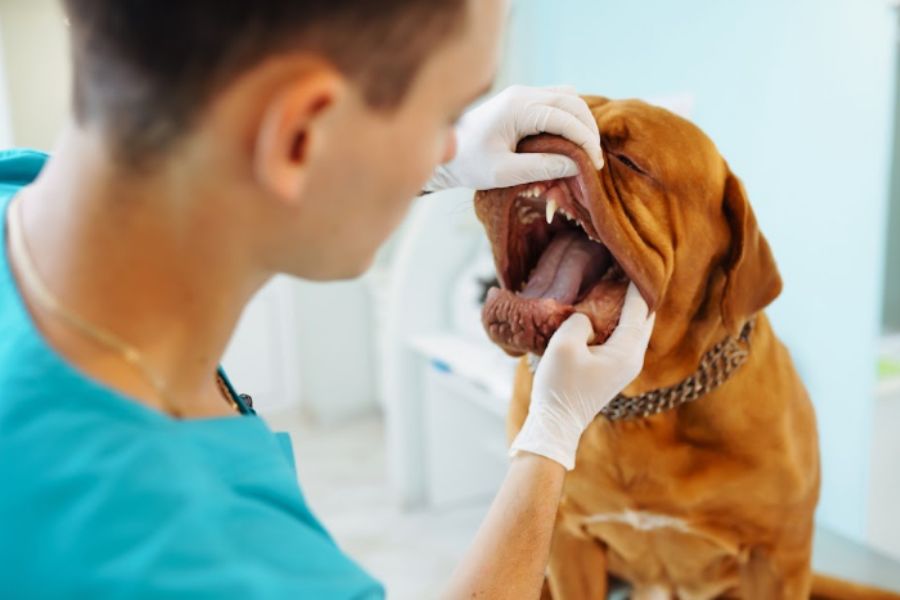
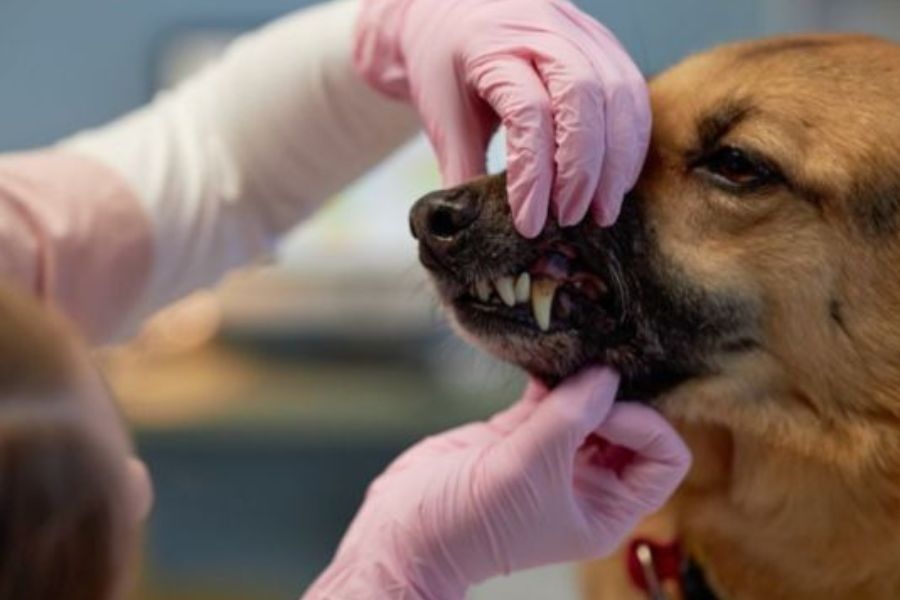
While home care is essential, it doesn’t replace the need for professional dental cleanings. A veterinarian can clean below the gumline, where most dental disease starts, and spot problems you might miss.
During a cleaning, your pet is safely placed under anesthesia so the vet can thoroughly scale, polish, and examine each tooth. Any loose or damaged teeth can be addressed before they cause pain or infection.
Veterinary dental cleanings are especially important for older pets, small breeds prone to dental issues, and pets who don’t tolerate brushing. The Animal Hospital of North Charleston provides professional dental services tailored to your pet’s specific needs.
Consequences of Neglected Pet Dental Care
Still on the fence about prioritizing dental care? Consider this: dental disease doesn’t just cause tooth loss. It can seriously impact your pet’s quality of life.
Here’s what can happen when pet dental care is ignored:
- Chronic Pain: Pets often suffer in silence, enduring gum infections and toothaches daily.
- Weight Loss: Painful chewing can lead to reduced appetite and nutrition deficiencies.
- Organ Damage: Bacteria from infected gums can travel to vital organs and cause irreversible damage.
Expensive Emergencies:
When it comes to dental health, dealing with serious issues can really hit your wallet hard. It’s way more expensive to treat advanced dental diseases than it is to invest in regular preventive care.
Early detection and ongoing care can save your pet pain and save you from hefty veterinary bills.
How to Start a Pet Dental Routine Today
Ready to improve your pet’s dental health? Here’s how to get started:
- Book a dental exam: Start with a veterinary checkup to assess current dental health.
- Brush regularly: Make sure to brush your pet’s teeth regularly! Use toothpaste that’s safe for them, and take your time getting them used to the brushing routine.
- Provide dental chews: Choose vet-recommended products designed to reduce plaque.
- Watch for signs: Red gums, drooling, difficulty eating, or bad breath warrant immediate attention.
- Stay consistent: Dental care is a lifelong commitment, not a one-time task.
Consistency is key. Just a bit of effort each day can make a world of difference for your pet, helping them enjoy a longer, healthier, and pain-free life.
Dental care may not be flashy, but it’s one of the most powerful ways to extend your pet’s life and comfort. Just like with humans, oral hygiene can prevent disease, reduce pain, and even save lives.
Don’t wait for a dental emergency to make a change. Start your pet’s dental journey today—with patience, the right tools, and the support of a dedicated veterinary team. Their tail wags and purrs will thank you. If you’re looking for trusted dental care in North Charleston, consider a consultation with a trusted veterinary team that truly understands the importance of oral health.