New Clients Enjoy $40 OFF Their First Exam!*
Fatty Liver Disease in Cats: Why Skipped Meals Are Urgent


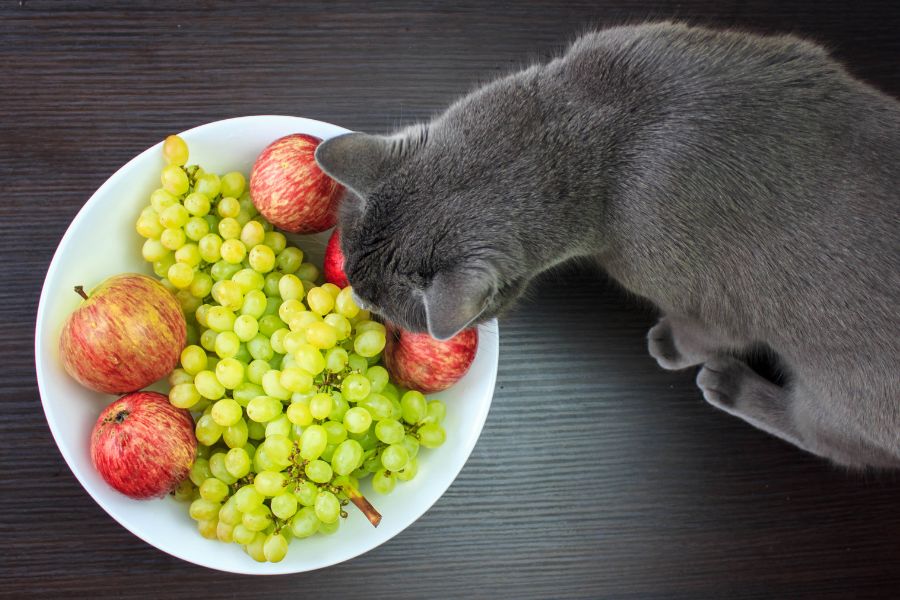
A cat refusing food can look like a minor appetite change after stress, illness, or a new routine. In cats, repeated skipped meals can become serious because the body moves stored fat into the liver for energy. When fat accumulates faster than the liver can process it, fatty liver disease, also called hepatic lipidosis, may develop.
Early recognition, nutrition, and prompt medical attention can protect healthy liver function and improve recovery. This guide explains warning signs, triggers, care, and safe steps owners can take in North Charleston.
What Is Fatty Liver Disease in Cats?
Fatty liver disease occurs when excessive fat builds up inside the liver. It often begins when a cat eats much less than normal for several days. When food intake drops, stored fat becomes a major energy source.
Why Cats Are Vulnerable
Cats depend heavily on protein and regular nutrition. Overweight cats may face greater risk because they have larger fat reserves available for rapid breakdown. Illness, stress, pain, dental problems, nausea, or household changes can trigger appetite loss.
Signs of Fatty Liver Disease
Watch for:
- Reduced appetite or complete food refusal
- Noticeable weight loss
- Low energy or unusual hiding
- Vomiting or nausea
- Excessive drooling
- Yellow coloring of the eyes, gums, or skin
- Weakness or reduced interest in normal activities
Yellow coloring, known as jaundice, deserves prompt assessment. Dehydration and worsening weakness can signal that waiting at home is not appropriate.
What Causes a Cat to Stop Eating?
Fatty liver disease is often secondary to another problem. Finding the reason behind appetite loss matters.
Common Triggers
Dental discomfort can make chewing unpleasant. Digestive upset may cause nausea. Kidney, liver, or pancreatic problems can reduce appetite. Infection, pain, medication changes, and stress can affect eating.
When Skipped Meals Become Urgent
There is no universal number of missed meals that guarantees fatty liver disease. Cats vary by age, weight, health, and underlying conditions. A healthy cat that misses a meal may need monitoring. Continued refusal, repeated vomiting, weakness, or rapid weight loss calls for prompt guidance.
If you cannot reach your regular clinic promptly, seek urgent care for pets when your cat is refusing food and showing weakness, vomiting, jaundice, dehydration, or other concerning changes.
How Fatty Liver Disease Is Diagnosed
A clinician will usually begin with an examination and questions about appetite, weight changes, medications, stress, and recent illness. Blood testing can reveal changes associated with liver dysfunction and dehydration.
Ultrasound may help evaluate the liver and identify other conditions.
Treatment and Nutritional Support
Treatment focuses on restoring adequate nutrition while addressing the condition that caused eating to stop. Fluids may be recommended for dehydration. Medication can help manage nausea or other contributing problems.
Nutritional support is central to recovery. Some cats eat once nausea or pain improves. Others need assisted feeding. A feeding tube may be recommended when a cat cannot consume enough food independently. These tubes provide controlled nutrition without forcing food into the mouth.
What Owners Can Do at Home
Offer familiar, appealing food in a quiet area. Keep fresh water available. Monitor what your cat actually eats rather than assuming a few bites are enough. Record meals, vomiting, stool changes, energy, and weight when possible.
Why Appetite Changes Matter
A cat’s food bowl can reveal more than hunger. Changes in eating may reflect pain, nausea, stress, or illness. Measuring portions helps identify declines that are easy to miss. A record of meals can show whether appetite is improving or worsening. This information supports decisions about testing and nutritional support. Owners know their cats’ routines best, so unusual eating behavior should not be dismissed because the cat remains quiet or alert.
Can Fatty Liver Disease Be Prevented?
Prevention starts with consistent eating habits and healthy weight management. Avoid crash diets. If weight reduction is recommended, use a measured feeding plan rather than sudden food restriction. Regular checkups can uncover dental disease, chronic illness, and weight changes before they contribute to appetite problems.
Conclusion
A skipped meal can be easy to dismiss, but repeated food refusal in cats deserves serious attention. Fatty liver disease can develop when inadequate nutrition causes rapid fat movement into the liver.
Keep your cat’s meals consistent, monitor appetite closely, and seek prompt guidance when eating habits change. Do not wait for symptoms to become severe.
If you’re located in North Charleston, reach out to Animal Hospital of North Charleston—where compassionate care and community come together for your pet’s well-being. Call us at 843-552-8278 for urgent care service and guidance when your cat’s appetite suddenly changes.
Frequently Asked Questions(FAQs):
1. How long can a cat go without eating?
A: Cats should not go without food for an extended period. Significant appetite loss can become concerning, particularly in overweight cats. Contact a professional promptly if refusal continues.
2. Is fatty liver disease in cats reversible?
A: Fatty liver disease can be reversible when recognized early and treated appropriately. Restoring nutrition, correcting dehydration, and addressing the underlying illness support recovery. Delayed treatment can make recovery harder.
3. Can an overweight cat develop fatty liver disease?
A: Yes. Overweight cats may have increased risk because their bodies can mobilize substantial fat when food intake falls. A rapid drop in eating should be taken seriously, regardless of body condition.
4. What should I feed a cat with fatty liver?
A: The best food depends on the cat’s condition and nutritional needs. A complete, calorie-dense diet may be recommended. Feeding plans should be individualized rather than chosen solely from online advice.
5. What are the first signs of fatty liver in cats?
A: Reduced appetite and weight loss are common early clues. Hiding, low energy, vomiting, nausea, and jaundice can follow. Persistent appetite changes deserve attention because illnesses can cause similar signs.
6. Can I treat fatty liver disease at home?
A: Home care alone is not appropriate for suspected fatty liver disease. Cats may need fluids, nutritional support, testing, and treatment for an underlying problem. Professional guidance helps prevent feeding complications.