New Clients Enjoy $40 OFF Their First Exam!*
How to Read Your Cat’s Claw Health: Warning Signs Veterinarians Look For


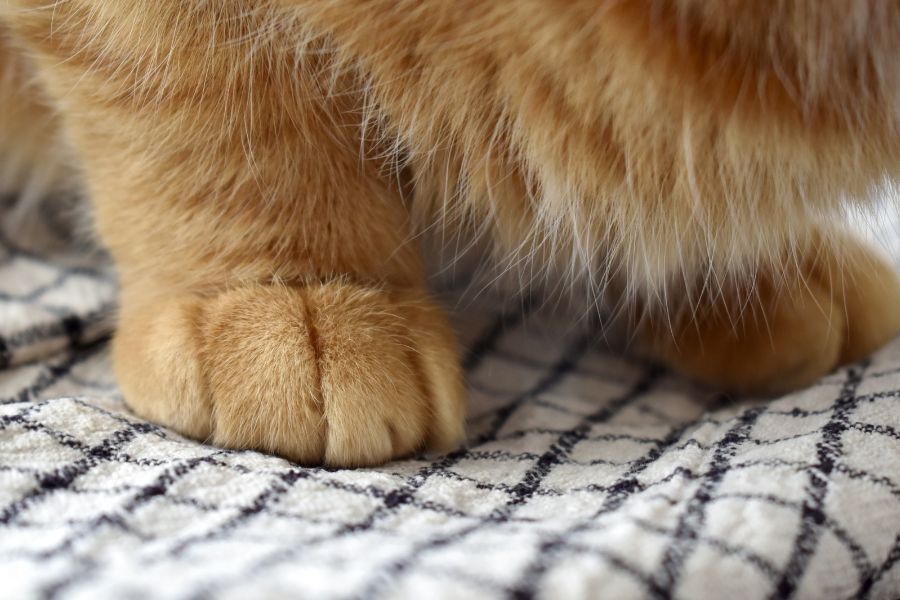
Your cat’s claws do much more than help with climbing, stretching, and play. They can also reveal important clues about your pet’s overall health. Changes in claw shape, color, texture, or growth often signal underlying issues that need attention. By learning how to read your cat’s claw health, you can identify problems early, reduce discomfort, and help your feline companion stay active and comfortable.
This guide explains the most common cat claw health warning signs, what causes them, preventive care tips, and when to seek professional help.
Why Cat Claw Health Matters
Healthy cat claws support daily activities such as scratching, hunting instincts, balance, and mobility. Each claw grows continuously throughout a cat’s life. Normal wear helps maintain proper length, though indoor cats often need extra monitoring.
When claw problems develop, they can affect more than the paws. Infections, injuries, nutritional concerns, and age-related conditions may first appear in the nails. Regular checks help detect issues before they become serious.
What Healthy Cat Claws Look Like
Understanding normal claw appearance makes it easier to identify changes.
Healthy cat claws typically have:
- A smooth texture
- A natural curved shape
- Consistent growth
- Clean nail beds
- No swelling around the toes
- No unusual odor
- No discoloration
Cats should walk comfortably without limping or favoring a paw. They should also use scratching posts regularly without signs of pain.
Common Warning Signs of Cat Claw Problems
1. Overgrown Claws
One of the most common cat claw issues is excessive nail growth. Overgrown claws may curl inward and press into the paw pad.
Signs include:
- Difficulty walking
- Claws catching on carpets
- Reduced activity
- Visible curling
Senior cats often experience overgrown claws because they scratch less frequently.
2. Cracked or Split Claws
A cracked claw can occur after trauma, rough play, or snagging on furniture.
Watch for:
- Visible splitting
- Bleeding
- Sensitivity when touched
- Reluctance to use the affected paw
Minor cracks may heal naturally, though deeper splits can become painful and prone to infection.
3. Broken Claws
Broken cat claws are common among active cats. The break may occur near the tip or closer to the nail bed.
Symptoms may include:
- Sudden limping
- Bleeding
- Excessive licking
- Swelling around the toe
Prompt evaluation helps prevent complications and discomfort.
4. Thickened or Misshapen Claws
Abnormally thick claws can indicate aging, injury, or underlying health concerns.
You may notice:
- Uneven growth
- Rough surfaces
- Increased brittleness
- Distorted claw shape
Changes affecting multiple claws deserve closer attention.
5. Discolored Claws
Healthy claws are generally clear or light in color. Darkening, yellowing, or unusual spots may indicate infection, trauma, or other health conditions.
Any persistent discoloration should be monitored carefully.
Signs of Infection Around the Claws
Claw infections can develop when bacteria enter damaged tissue.
1. Symptoms of a Claw Infection
Common signs include:
- Redness
- Swelling
- Warmth around the nail
- Discharge
- Unpleasant odor
- Excessive paw licking
Some cats may become less active due to discomfort.
2. Ingrown Claws
An ingrown claw occurs when an overgrown nail penetrates the paw pad. This condition often causes infection and significant pain.
Early detection helps avoid more extensive treatment.
Behavioral Changes Linked to Claw Problems
Cats often hide pain. Behavioral changes may be the first clue that something is wrong.
Watch for:
- Reduced jumping
- Increased hiding
- Irritability
- Changes in grooming habits
- Avoiding scratching posts
- Sensitivity when paws are touched
These signs may indicate claw discomfort even when physical changes appear minor.
Causes of Cat Claw Health Issues
Several factors can contribute to claw problems.
1. Age
Senior cats experience slower movement and reduced scratching activity. This often leads to overgrown claws and increased brittleness.
2. Injury
Falls, rough play, and snagged nails can cause breaks and splits.
3. Poor Nutrition
Healthy claw growth depends on balanced nutrition. Nutrient deficiencies may contribute to weak or brittle nails.
4. Infections
Bacterial and fungal infections can affect the nail bed and surrounding tissue.
5. Chronic Health Conditions
Certain health conditions may influence claw growth and quality. Routine wellness exams help identify concerns early.
How to Check Your Cat’s Claws at Home
Regular inspections are one of the best ways to maintain cat claw health.
Step 1: Choose a Calm Time
Inspect your cat’s paws when they are relaxed.
Step 2: Gently Extend Each Claw
Apply light pressure to the toe pad to reveal the claw.
Step 3: Examine the Nail
Look for:
- Cracks
- Breaks
- Overgrowth
- Discoloration
- Thickening
Step 4: Check the Surrounding Skin
Look for redness, swelling, or discharge around the nail bed.
Monthly claw checks help identify developing issues before they worsen.
Preventing Cat Claw Problems
Prevention plays a major role in maintaining healthy claws.
1. Provide Scratching Surfaces
Offer sturdy scratching posts and scratching pads throughout your home. Scratching supports natural nail maintenance.
2. Schedule Regular Nail Trims
Routine trimming helps prevent overgrowth and ingrown claws.
3. Support Overall Health
A balanced diet and regular wellness visits support healthy nail growth and paw health.
4. Monitor Senior Cats Closely
Older cats benefit from more frequent claw inspections because age-related changes can develop gradually.
5. Seek Professional Guidance
If you notice unusual nail growth, swelling, or signs of discomfort, professional evaluation is recommended. Many pet owners benefit from discussing claw care during routine visits or when scheduling cat wellness care.
When to Seek Professional Care
Some claw problems require prompt attention.
Contact a pet care professional if your cat experiences:
- Persistent limping
- Bleeding claws
- Swollen toes
- Signs of infection
- Ingrown nails
- Sudden claw loss
- Ongoing pain
Early treatment often leads to better outcomes and faster recovery.
Conclusion
Your cat’s claws provide valuable insight into their overall health and comfort. Regular inspections, proper nail care, and attention to subtle changes can help prevent many common problems. Overgrown claws, infections, discoloration, and broken nails should never be ignored. By monitoring claw health and seeking help when concerns arise, you can support your cat’s mobility, well-being, and quality of life for years to come.
If you live in North Charleston and have noticed changes in your cat’s claws or paws, now is a great time to book an appointment with the caring team at The Animal Hospital of North Charleston. Early attention can make a meaningful difference in your cat’s comfort and long-term health.
Frequently Asked Questions(FAQs):
1. How often should I check my cat’s claws?
A: Most cats benefit from a claw inspection at least once a month. Senior cats, indoor cats, and pets with previous nail issues may require more frequent checks to identify overgrowth, cracks, or signs of infection early.
2. Why are my cat’s claws thick and brittle?
A: Thick or brittle claws can develop due to aging, injury, nutritional deficiencies, or underlying health concerns. Monitoring changes and discussing them during a wellness visit helps determine the cause and appropriate care.
3. Can overgrown claws hurt my cat?
A: Yes. Overgrown claws can curl into the paw pad, creating pain, inflammation, infection, and difficulty walking. Regular nail trimming helps prevent these complications and supports healthy movement.
4. What does an infected cat claw look like?
A: An infected claw may appear swollen, red, warm, or produce discharge. Some cats also lick the affected paw excessively or show signs of discomfort when walking or scratching.
5. Do indoor cats need nail trims?
A: Indoor cats often need regular nail trims because they may not wear down their claws naturally. Trimming helps prevent overgrowth, snagging, and accidental injuries around the home.
6. When should I be concerned about a broken cat claw?
A: A broken claw should be evaluated if it causes bleeding, limping, swelling, ongoing pain, or signs of infection. Prompt care helps reduce discomfort and prevents complications from developing.