New Clients Enjoy $40 OFF Their First Exam!*
Best Cat Breeds for Allergy Sufferers in 2026


Living with allergies does not always mean giving up on the idea of having a cat. Some breeds produce fewer allergens, while others shed less dander, making daily life more comfortable. This guide explains which cats are better suited for sensitive households, how they differ, and what care steps help reduce allergic reactions.
It also shares practical tips that fit modern lifestyles and local environments. For pet owners in North Charleston, climate and indoor air quality play a role in managing allergies effectively.
Understanding Cat Allergies
Most people react to a protein called Fel d 1, found in a cat’s saliva, skin, and dander. Grooming spreads this protein onto fur and surfaces around the home. Lower-allergen cats still produce Fel d 1, though often in smaller amounts. Choosing the right breed helps, though daily care habits matter just as much.
Humidity levels, common in coastal areas, can influence how allergens settle indoors. Air circulation, cleaning routines, and grooming schedules all shape how manageable symptoms become.
What Makes Certain Cats More Allergy-Friendly
Not all cats affect allergy sufferers in the same way. Several traits influence allergen levels:
1. Coat Type
Cats with less fur or unique coat textures release fewer particles into the air. Hairless or short-haired breeds often require less maintenance in this area.
2. Grooming Behavior
Some cats groom less aggressively, spreading fewer allergens across their bodies and surroundings.
3. Shedding Levels
Reduced shedding means fewer allergen-carrying particles in carpets, furniture, and clothing.
4. Size and Activity
Smaller or calmer cats tend to spread allergens less widely within a home.
Best Cat Breeds for Allergy Sufferers in 2026
1. Siberian
Despite its thick coat, the Siberian often produces lower levels of Fel d 1. Many allergy-sensitive owners report fewer reactions with this breed. Regular brushing helps control loose hair.
2. Balinese
Often called the “long-haired Siamese,” the Balinese has a silky coat that sheds less than expected. It combines elegance with manageable allergen levels.
3. Bengal
Bengal cats have a short, dense coat that requires minimal grooming. Their fur texture reduces dander spread, making them a practical choice for modern households.
4. Russian Blue
Russian Blue cats are known for producing lower allergen levels. Their plush coat traps dander, preventing it from circulating freely in the air.
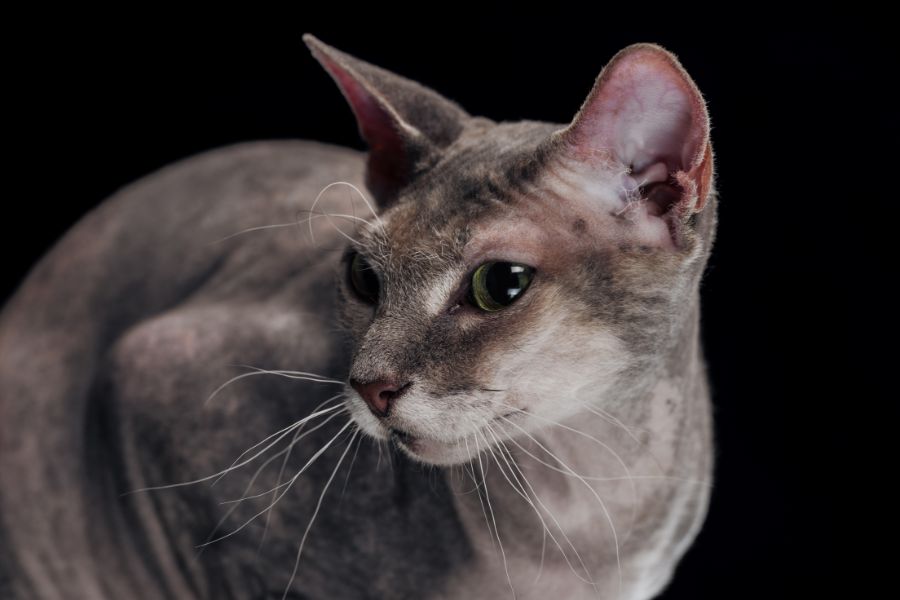
5. Sphynx
Sphynx cats lack traditional fur, which means less shedding. Skin care becomes important, though this breed is often considered one of the most suitable for allergy-sensitive homes.
6. Devon Rex
Devon Rex cats have a short, curly coat that sheds minimally. Their playful personality adds to their appeal.
7. Cornish Rex
Cornish Rex cats feature fine, soft fur with little shedding. Their unique coat structure helps reduce airborne allergens.
Tips to Live Comfortably With Cats Despite Allergies
Choosing the right breed is only one part of the solution. Daily habits shape how well allergy symptoms stay under control.
1. Keep Living Spaces Clean
Vacuum carpets, wash bedding, and clean upholstery frequently. Use HEPA filters where possible.
2. Create Pet-Free Zones
Designate areas such as bedrooms where cats are not allowed. This helps maintain a low-allergen environment for rest.
3. Regular Grooming
Brushing and occasional bathing reduce loose hair and dander. Grooming should happen in a ventilated space.
4. Air Quality Management
Use air purifiers and maintain proper ventilation. In humid regions, dehumidifiers can help reduce allergen buildup.
5. Wash Hands and Clothing
After interacting with your cat, washing hands and changing clothes can minimize allergen spread.
Local Considerations for North Charleston Pet Owners
Climate plays a role in how allergens behave indoors. Warm temperatures and humidity levels common in coastal South Carolina can increase dander persistence. Air conditioning systems should be cleaned regularly. Pet owners often benefit from seasonal adjustments in grooming and cleaning routines.
If you’re exploring ways to manage allergies while caring for a cat, learning more about preventive care and wellness services can make a difference.
If you’re located in North Charleston and looking for trusted veterinary care near you, then schedule an appointment with Animal Hospital of North Charleston.
Choosing the Right Cat for Your Lifestyle
Every home is different. Allergy sensitivity varies from person to person. Spending time with a breed before adoption helps gauge your reaction. Some shelters and breeders allow trial visits, which can offer valuable insights.
Consider your daily routine, available space, and willingness to maintain grooming schedules. A calm, predictable environment supports both you and your pet.
Conclusion
Finding the right companion among cat breeds for allergy sufferers requires patience, awareness, and thoughtful care choices. Breed selection helps reduce allergen exposure, though daily habits shape long-term comfort.
Clean environments, consistent grooming, and proper air management make a noticeable difference. Building a routine that supports both your health and your pet’s well-being creates a balanced home. We are conveniently located in North Charleston, SC. Reach out to our facility at 8636 Dorchester Rd suite 112, North Charleston, SC 29420—where compassionate care and community come together for your pet’s well-being.
Frequently Asked Questions(FAQs):
1. Are there truly hypoallergenic cats?
A: No cat is completely hypoallergenic. Some breeds produce fewer allergens or shed less, which can reduce reactions. Managing your environment and grooming routine plays a key role in minimizing symptoms.
2. Which breed is best for severe allergies?
A: Sphynx and Russian Blue cats are often recommended for individuals with stronger sensitivities. Personal reactions vary, so spending time with a breed before adoption helps determine compatibility.
3. Do air purifiers really help with cat allergies?
A: Yes, air purifiers with HEPA filters can capture airborne allergens like dander. They work best when combined with regular cleaning and proper ventilation throughout the home.
4. How often should I groom a low-allergen cat?
A: Grooming frequency depends on the breed. Weekly brushing works for most cats, while hairless breeds may require more frequent skin care to remove oil buildup.
5. Can diet affect allergen levels in cats?
A: A balanced diet supports skin health, which may influence dander production. High-quality nutrition helps maintain a healthy coat and reduces shedding.
6. Is it safe for children with allergies to live with cats?
A: Children with mild allergies can often live comfortably with certain breeds and proper home care. Monitoring symptoms and maintaining hygiene routines helps create a safer environment.