
New Clients Enjoy $40 OFF Their First Exam!*
How Many Teeth Should My Cat Have? Kitten and Adult Breakdown


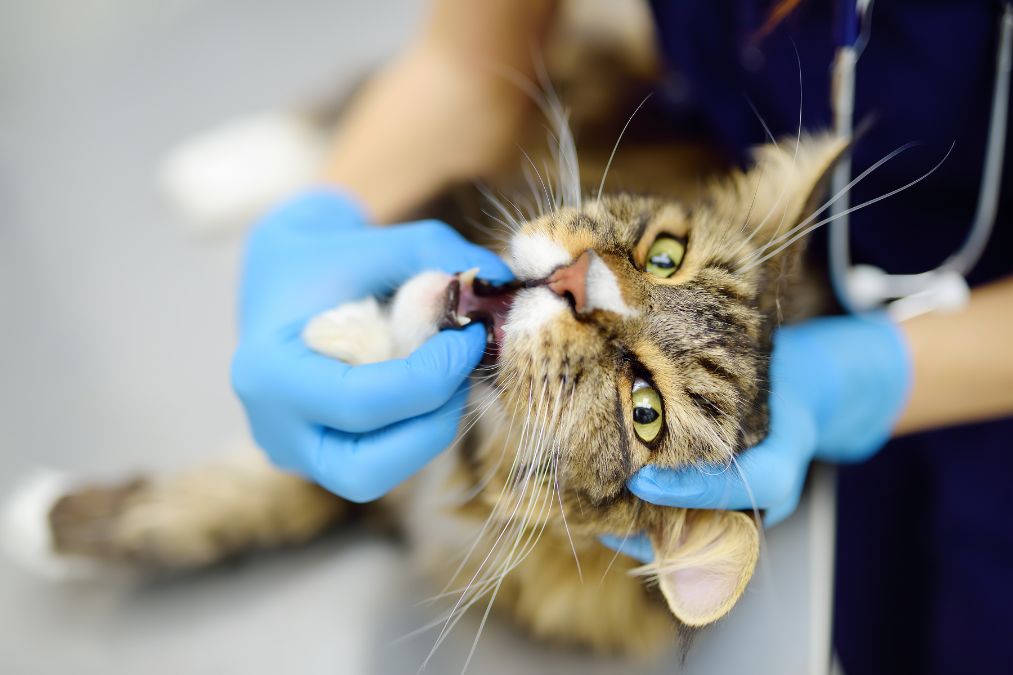
Many cat owners want a simple answer to how many teeth cats have and what that means at different stages of life. This guide provides a clear, easy‑to‑understand breakdown of kitten and adult cat teeth, including when teeth come in, when they fall out, what each type does, and common concerns you might notice along the way.
Whether you’re welcoming a tiny kitten home or checking your adult cat’s mouth, you’ll understand what to expect and how to support dental health from the first week to adulthood in North Charleston, SC.
Kitten Teeth: The First Set
Kittens are born without teeth because they don’t need them while they nurse. Their first teeth begin to erupt at around two to four weeks of age. These are called deciduous teeth or “baby teeth.” By the time a kitten reaches about six to eight weeks old, all 26 of these temporary teeth should be visible. These include:
- Incisors: Small front teeth used for nibbling and grooming.
- Canines: Sharp fangs at the corners for grasping.
- Premolars: Teeth behind the canines that help prepare food for swallowing.
Kittens do not have molars in their baby teeth.
Baby teeth are smaller and more delicate than adult teeth, and it’s common to see kittens chewing more than usual during the teething period. Around three to four months old, these kitten teeth begin to fall out, making room for permanent teeth underneath. Many kittens swallow their tiny teeth, so you might not find them around the house.
Adult Cat Teeth: Permanent and Functional
Once kittens start losing baby teeth, their adult teeth begin to emerge. By about six months of age, most cats will have a full set of 30 permanent teeth. Unlike humans, these teeth do not get replaced again if lost due to injury or disease. The adult set includes:
- 12 Incisors: Six on the top and six on the bottom.
- 4 Canines: Strong, pointed teeth for tearing food.
- 10 Premolars: Sharp edges that help slice food.
- 4 Molars: Back teeth used mainly for crushing.
This means the complete answer to how many teeth cats have as adults is 30. Each tooth plays a role in biting, chewing, grooming, or capturing prey, reflecting a cat’s evolutionary history as a carnivore.
Timeline: From Baby Teeth to Adult Teeth
Understanding when teeth come in and fall out helps you know what’s normal. Here’s a simple timeline:
- Birth: No teeth.
- 2–4 weeks: Baby incisors erupt.
- 3–4 weeks: Baby canines appear.
- 4–6 weeks: Baby premolars are in place, completing the 26 baby teeth.
- 3–4 months: Baby teeth begin to fall out as adult teeth start to emerge.
- By 6 months: All 30 adult teeth should be in place.
Some variation can occur depending on the kitten and breed, but this timeline gives a good general picture of dental development.
Why Teeth Matter: Function and Care
Cats use their teeth for more than eating. Teeth are important for communication, grooming, and even play. Incisors help with grooming and picking up small objects. Canines are used for grasping and tearing. Premolars and molars work together to cut and break down food.
Proper dental care starts early. Teaching a kitten to get used to gentle mouth handling makes future care easier. Regular cleaning with cat‑safe toothpaste or professional dental checkups can support long‑term oral health. Without care, plaque and tartar can build up, leading to gum irritation, bad breath, and potential tooth loss.
Common Dental Concerns
Caring for your cat’s teeth means watching for signs of trouble. Although not every concern requires immediate alarm, persistent issues should be reviewed by a professional. Look out for:
- Bad breath that doesn’t improve.
- Difficulty eating or dropping food.
- Excessive drooling or pawing at the face.
- Red, swollen, or bleeding gums.
These symptoms may signal dental discomfort, and consulting a qualified professional ensures the best outcome for your cat.
Conclusion
Understanding how many teeth cats have and the progression from kitten to adult helps you monitor your cat’s growth and spot issues early. From 26 sharp baby teeth to 30 permanent adult teeth, your cat’s dental development reflects their natural behaviors and needs. Teeth support eating, grooming, and even play, so paying attention to them enhances your cat’s quality of life.
If you are in North Charleston, SC, and looking for veterinary care, book an appointment with The Animal Hospital of North Charleston to ensure your cat’s dental health stays strong and comfortable.
FAQs About Cat Teeth( FAQs):
Q: Do all cats have the same number of teeth?
A: Most healthy adult cats have 30 teeth. Some may have fewer due to injury or genetics.
Q: Why does my kitten chew so much?
A: Chewing is normal during teething as baby teeth fall out and adult teeth emerge.
Q: When should I start brushing my cat’s teeth?
A: It’s easiest to introduce brushing when your kitten has a mix of baby and adult teeth so they get used to it early.
Q: Can cats get cavities like humans?
A: Cats can develop tartar and gum disease, but cavities are less common. Proper care still matters.
Q: Are kitten teeth sharp?
A: Yes, baby teeth are sharp and can make nursing uncomfortable for the mother and biting painful for owners.