New Clients Enjoy $40 OFF Their First Exam!*
Cat Behavior 101: How to Stop Furniture Scratching for Good


If you share your home with a cat, you’ve likely faced the frustration of scratched couches, torn curtains, or damaged wooden furniture. While it may feel like misbehavior, scratching is a natural and necessary part of your cat’s routine. The good news is that with the right approach, you can redirect this behavior and protect your home without causing stress to your pet.
This guide takes a clear and practical look at why cats scratch furniture and answers the common question: how to stop cats from scratching furniture in a way that works long term.
Why Do Cats Scratch Furniture?
Before trying to stop the behavior, it helps to understand why it happens. Scratching is not random or spiteful. It serves several important purposes.
1. Nail Maintenance
Cats scratch to remove the outer layer of their claws. This keeps their nails healthy, sharp, and functional.
2. Marking Territory
Cats have scent glands in their paws. When they scratch, they leave both a visual mark and a scent signal. This helps them feel secure in their environment.
3. Stretching and Exercise
Scratching allows cats to stretch their muscles, especially in the shoulders and back. It’s a natural way for them to stay physically active.
4. Stress Relief
Scratching can be a way for cats to release tension or cope with changes in their environment, such as new pets, visitors, or routine shifts.
5. Preference for Texture and Placement
Cats often choose furniture because it provides the right texture and is located in high-traffic areas where they feel comfortable.
Understanding these reasons makes it clear that scratching cannot be completely stopped. The goal is to redirect it to appropriate surfaces.
How Do I Stop Cat Scratching Furniture?
The key to success is not punishment. Instead, you guide your cat toward better options while making furniture less appealing.
How to Stop Cats from Scratching Furniture: Proven Strategies
1. Provide the Right Scratching Alternatives
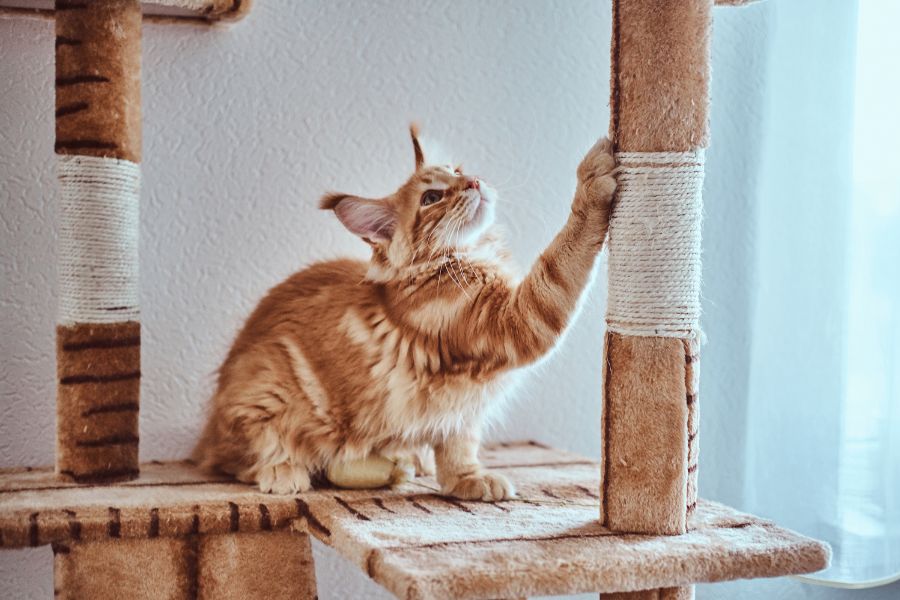
Not all scratching posts are equal. Cats have preferences, so it’s important to experiment.
Look for:
- Tall, sturdy posts that allow a full stretch
- Materials like sisal, cardboard, or wood
- Vertical and horizontal options
Place scratching posts near the furniture your cat currently targets. Cats prefer convenience, so location matters as much as the post itself.
2. Make Furniture Less Appealing
If your cat keeps returning to the same spot, you need to change how that surface feels or smells.
Try:
- Double-sided tape or scratch guards
- Furniture covers or slipcovers
- Pet-safe deterrent sprays
Cats avoid sticky or unfamiliar textures, which helps break the habit.
3. Reward Positive Behavior
Reinforcement works better than correction. When your cat uses a scratching post, reward them immediately.
Use:
- Treats
- Praise
- Gentle petting
Over time, your cat will associate the scratching post with positive outcomes.
4. Trim Your Cat’s Nails Regularly
Shorter nails reduce damage and make scratching less destructive.
Tips:
- Trim every 2–3 weeks
- Use proper pet nail clippers
- Keep sessions calm and brief
If you’re unsure how to do this safely, a veterinary professional can help.
5. Use Environmental Enrichment
Bored or stressed cats are more likely to scratch furniture.
Add:
- Interactive toys
- Climbing trees or perches
- Window views
A mentally stimulated cat is less likely to focus on destructive habits.
6. Redirect Gently, Never Punish
Avoid yelling, spraying water, or physical correction. These methods create fear and damage trust.
Instead:
- Interrupt calmly
- Move your cat to a scratching post
- Reward the correct behavior
Consistency is key to changing habits.
Common Mistakes to Avoid
Even with good intentions, some approaches can slow progress.
1. Ignoring Placement
A scratching post in a quiet corner may not attract your cat. Place it where your cat already spends time.
2. Choosing the Wrong Material
If your cat prefers fabric, a carpeted post may not work. Match the texture they already like.
3. Being Inconsistent
Switching strategies often can confuse your cat. Stick with a plan and give it time.
4. Declawing
Declawing is not recommended. It removes part of the cat’s toe and can lead to pain, behavior issues, and long-term health problems.
When Scratching May Signal a Bigger Issue
In some cases, excessive or sudden scratching can point to underlying concerns such as:
- Anxiety or stress
- Changes in the home environment
- Medical discomfort
If the behavior seems unusual or difficult to manage, it’s wise to seek professional guidance. You can visit our website to learn more about behavioral support and overall pet wellness care.
Building a Long-Term Solution
Stopping unwanted scratching takes patience, but the results are worth it. A combination of the right tools, consistent training, and a supportive environment leads to lasting change.
Focus on:
- Meeting your cat’s natural needs
- Redirecting behavior, not suppressing it
- Creating a calm and enriched home
This approach supports both your furniture and your cat’s well-being.
Conclusion: A Balanced Approach That Works
Scratching is a normal part of being a cat. The goal is not to eliminate it but to guide it in the right direction. By understanding why your cat scratches and applying practical solutions, you can protect your home without causing stress.
If you’re still struggling or notice changes in your cat’s behavior, professional guidance can make a difference. A tailored plan ensures your cat’s needs are fully addressed.
Book an appointment with your veterinary team to discuss behavior concerns and create a plan that works for your home and your pet.
Frequently Asked Questions
1. How long does it take to stop a cat from scratching furniture?
A: It varies by cat. Some respond within a few weeks, while others may take longer. Consistency and patience are key.
2. What is the most effective way to stop cats from scratching furniture?
A: Providing appealing scratching alternatives and making furniture less attractive is the most effective approaches.
3. Do scratching posts really work?
A: Yes, if they match your cat’s preferences in height, material, and placement.
4. Is nail trimming enough to stop scratching?
A: No. Nail trimming reduces damage but does not address the natural urge to scratch.
5. Can stress cause increased scratching?
A: Yes. Changes in routine, environment, or household members can lead to more scratching behavior.
6. Should I punish my cat for scratching furniture?
A: No. Punishment can create fear and worsen behavior. Redirection and positive reinforcement are more effective.