New Clients Enjoy $40 OFF Their First Exam!*
How Pet Dental Disease Affects the Whole Body


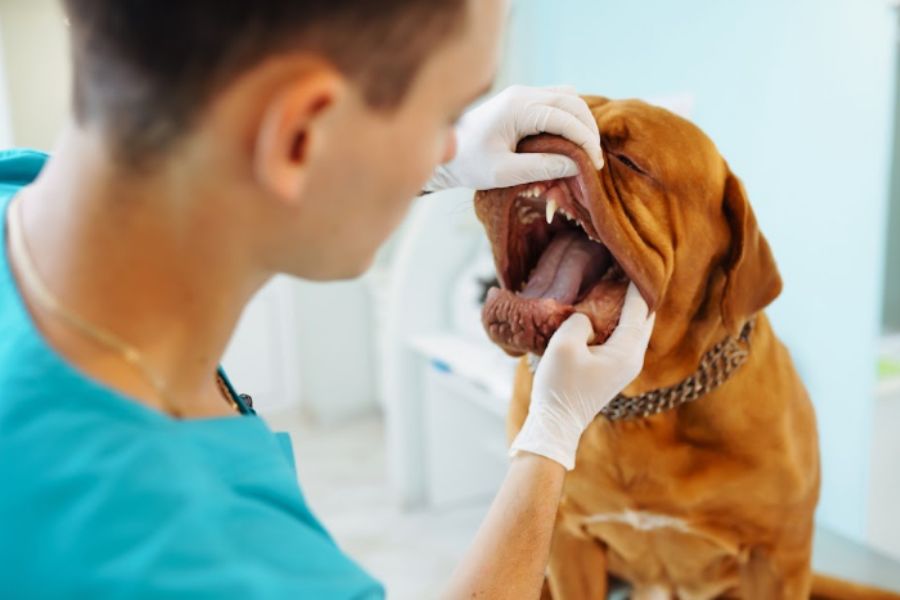
Bad breath in pets often feels like a small problem, yet it can signal deeper health concerns. Dental disease begins quietly in the mouth and may spread effects throughout the body. Bacteria from infected gums can travel through the bloodstream, placing strain on vital organs.
This article explains how oral problems develop, how they influence overall wellness, and what pet owners can watch for at home. It also shares simple daily habits that protect long-term comfort and quality of life. Understanding pet dental health helps families make informed choices before minor plaque turns into painful disease.
For many pet owners in coastal South Carolina, access to trusted guidance and routine care plays a major role in preventing complications and keeping pets active and happy in North Charleston, SC.
How Dental Disease Begins
Plaque forms when food particles mix with natural bacteria in a pet’s mouth. Within hours, a thin film coats the teeth. If brushing or chewing does not remove it, the film hardens into tartar. The rough surface irritates nearby gums and creates pockets where bacteria multiply.
Early stages often pass unnoticed. Pets keep eating, playing, and acting normally. Small clues appear first. Persistent bad breath, yellow buildup along the gumline, or mild redness around teeth may develop. Some pets paw at the mouth or chew on one side.
Inflamed gums allow bacteria to enter the bloodstream. Once inside circulation, those microbes travel far beyond the mouth. Organs that filter blood work harder. Over time, that constant strain may affect the heart, liver, and kidneys.
Whole Body Effects
The mouth connects to every system in the body. Harmful bacteria released from infected gums circulate silently. The immune system responds by creating inflammation. Long periods of inflammation can weaken tissues and slow healing.
Heart tissue faces risk when bacteria attach to damaged areas of the valves. This may contribute to reduced efficiency in pumping blood. Pets with advanced dental infection sometimes show fatigue during walks or play.
Kidneys filter toxins from the bloodstream each day. An extra bacterial load increases their workload. Gradual stress may affect how well they balance fluids and remove waste.
The liver also processes bacteria and inflammatory byproducts. Persistent infection forces the organ to stay active longer than normal.
Many pet owners never connect dental problems with these internal changes. A routine oral check can reveal concerns before they grow serious.
Signs Pet Owners May Notice
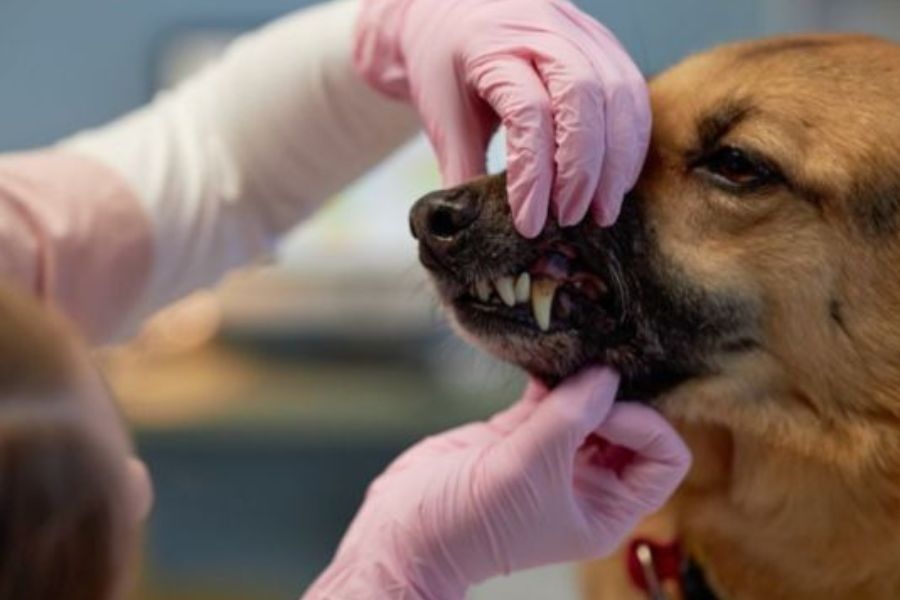
Pet owners can often notice warning signs at home. Strong odor from the mouth remains the most common clue. Dark tartar along teeth or swollen gums may appear during routine cuddling or play.
Changes in eating habits also matter. A pet may drop food, chew slowly, or prefer softer meals. Some animals stop chewing toys they once loved. Behavior sometimes shifts. Irritation, reduced energy, or reluctance to have the face touched may signal discomfort.
Scheduling periodic dental exams helps identify hidden disease beneath the gumline. Early care prevents deeper infection and protects long-term comfort.
Protecting Your Pet’s Teeth
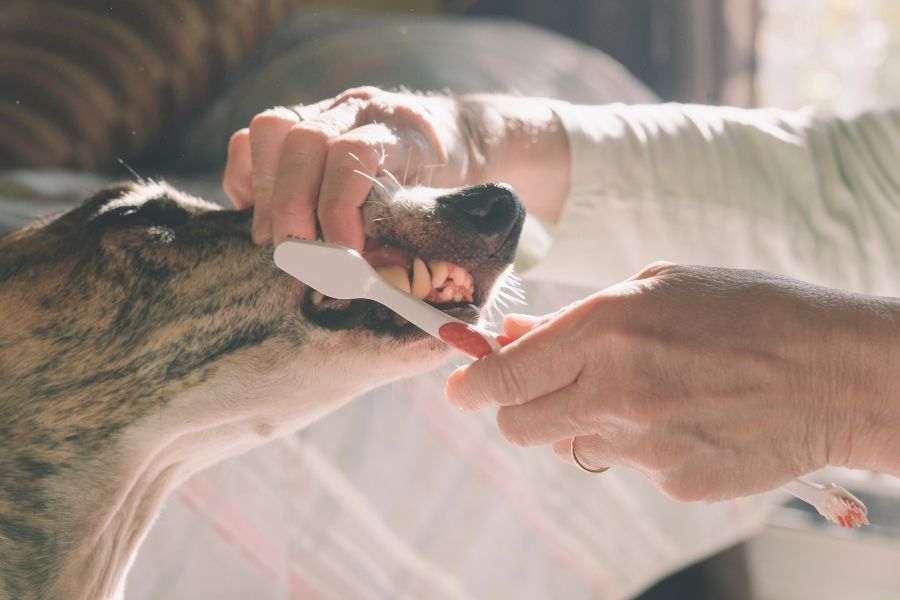
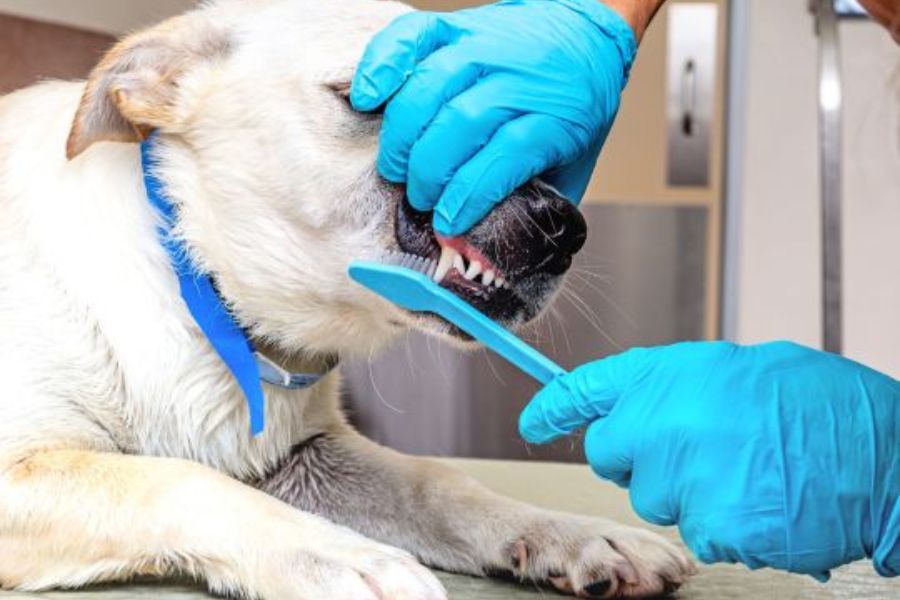
Protecting pet dental health begins with small daily habits. Gentle tooth brushing removes plaque before it hardens. Pet safe toothpaste and finger brushes make the process simple for most families.
Dental chews and textured toys help reduce buildup while pets enjoy normal play. Fresh water and balanced nutrition support strong gums and teeth.
Professional cleanings remain an important part of prevention. Clinics use specialized tools that reach below the gumline, where home care cannot reach.
Pet owners in the North Charleston area often schedule annual dental checks alongside wellness visits. Consistent care keeps small problems manageable and helps pets stay comfortable through every stage of life.
If you would like to explore the full range of wellness, preventive, and medical services available for your companion, visiting the hospital website offers a helpful overview of how the team supports lifelong care.
Conclusion
Dental disease rarely stays limited to the mouth. Bacteria from infected gums can travel through the bloodstream and influence major organs over time. Early attention keeps these risks from growing. Regular brushing, healthy chewing habits, and professional cleanings protect comfort and energy throughout a pet’s life.
Pet owners who stay alert to small warning signs often prevent painful complications. Routine exams also give families a chance to discuss nutrition, behavior, and preventive care that supports total wellness.
We are conveniently located in North Charleston, SC, and welcome you to our facility at 8636 Dorchester Rd suite 112, North Charleston, SC 29420—where compassionate care and community come together for your pet’s well-being. Book an appointment with The Animal Hospital of North Charleston.
Frequently Asked Questions(FAQs):
1. What causes dental disease in pets?
A: Dental disease starts when plaque bacteria remain on teeth and irritate the gums. Without brushing, chewing activity, or routine dental exams, tartar forms, gums weaken, and infection may develop inside the mouth.
2. Can dental disease shorten a pet’s life?
A: Severe oral infection can place strain on organs that filter blood or support circulation. Long-lasting inflammation may reduce overall resilience, which is why early dental care and regular exams play an important role in long-term health.
3. How often should pets receive dental cleanings?
A: Most pets benefit from a professional dental evaluation once each year. Some breeds with crowded teeth may need more frequent care. A veterinarian can recommend a schedule based on age, breed, and existing oral health.
4. Is bad breath always a sign of dental disease?
A: Occasional odor after meals can be normal, yet persistent, strong breath usually signals bacteria buildup or gum irritation. If the smell continues for several days, a dental check helps identify the cause.
5. Can diet affect dental health in pets?
A: Yes. Balanced nutrition supports strong teeth and gums. Crunchy textures and dental approved treats may reduce plaque buildup. Sugary table scraps and sticky foods often increase residue that feeds bacteria in the mouth.
6. What is the easiest way to care for a pet’s teeth at home?
A: Daily brushing with pet-safe toothpaste remains the most effective habit. Dental chews, clean water, and regular oral checks also help owners notice early changes before discomfort becomes serious for pets.