
New Clients Enjoy $40 OFF Their First Exam!*
Best Limited-Ingredient Dog Food for Allergy-Prone Dogs


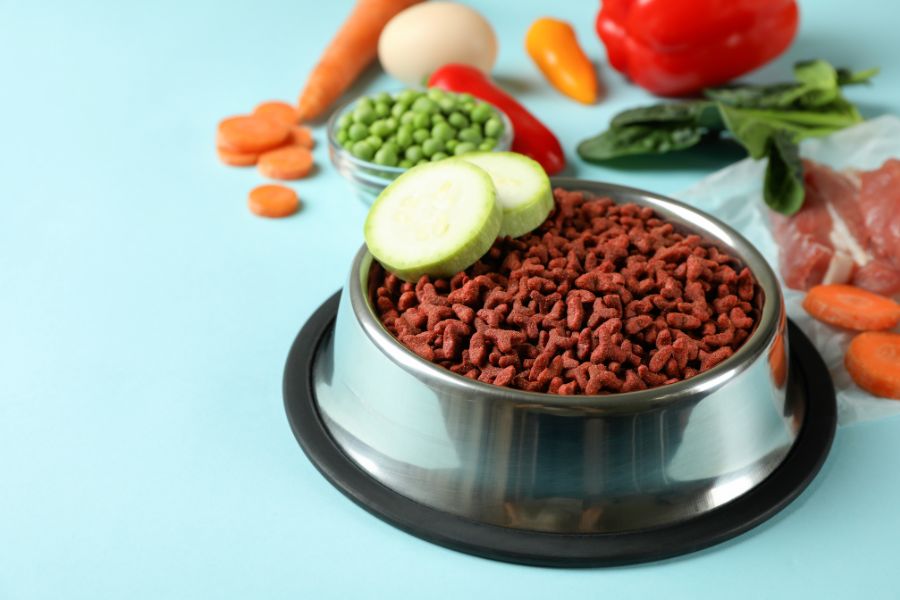
Dog Food for Allergies often feels confusing for caring dog owners who only want relief for itchy skin, upset stomachs, and restless nights. This guide explains why limited-ingredient diets work, how to choose the right formula, and what results to expect.
You will learn about common triggers, label reading, feeding tips, and when professional advice helps. Every section focuses on clear steps, simple choices, and long-term comfort for dogs living in North Charleston and nearby areas.
Why Allergies Show Up in Dogs
Food allergies develop when a dog reacts to a protein or filler eaten often over time. Beef, chicken, dairy, wheat, and soy cause most problems. Reactions appear on the skin, ears, paws, or in the digestive system. Scratching, licking, loose stools, and gas point to food sensitivity rather than seasonal issues.
What Limited-Ingredient Dog Food Means
Limited ingredient dog food uses fewer components to reduce reactions. These recipes rely on one animal protein and one main carbohydrate. Fewer ingredients make it easier to spot triggers and support calm digestion.
Key Benefits of Simple Formulas
- Single protein sources lower exposure to allergens.
- Short ingredient lists support gut balance.
- Clear labels help owners track results.
- Many dogs show steadier stools and calmer skin.
How to Choose the Right Protein
Novel proteins work well for sensitive dogs. Options include duck, salmon, venison, rabbit, or lamb. Pick a protein your dog has never eaten before. Avoid blends with multiple meats or hidden byproducts.
Carbohydrates That Support Digestion
Potatoes, sweet potatoes, peas, and pumpkin digest easily. Grains like rice can work for some dogs, though grain-free choices help others. Watch your dog’s response over several weeks.
Reading Labels Without Guesswork
Read ingredient lists carefully. The first ingredient should list a named protein. Skip foods with vague terms like meat meal or animal fat. Avoid artificial colors, flavors, and preservatives. Short lists reduce confusion.
Feeding Tips That Improve Results
- Switch food slowly over ten days.
- Measure portions to avoid weight gain.
- Limit treats during food trials.
- Track skin, stool, and energy changes.
- Patience matters because improvements take time.
When Results Usually Appear
Most dogs show changes within four to eight weeks. Skin heals first, followed by coat shine and digestion. If symptoms stay the same, another protein may help.
The Role of Professional Guidance
Ongoing symptoms need expert review. A trusted team can rule out parasites, infections, or environmental causes. Many families in North Charleston turn to Animal Hospital of North Charleston for clear guidance without pressure.
Common Myths About Allergy Diets
Limited-ingredient food does not mean poor nutrition. These formulas meet daily needs when balanced correctly. Expensive does not always mean better. Consistency matters more than frequent changes.
Dog Food for Allergies and Long-Term Health
Choosing the right food supports comfort, sleep, and behavior. Dogs with less itching feel calmer and more playful. Diet forms the base for a healthier routine and a stronger bond.
Signs a Food Is Not the Right Fit
Some dogs need a different choice, even with limited ingredient formulas. Red flags include constant scratching, repeated ear issues, vomiting, or loose stools after several weeks. Behavior changes like low energy or food refusal also matter. These signs suggest a protein mismatch, portion issues, or another cause that needs review before switching foods again.
Conclusion and Call to Action Continued
Lasting relief comes from steady habits and informed choices made over time. Keep notes, stay consistent, and avoid rushing changes. Dog food for allergies works best as part of a clear plan that respects your dog’s history and daily needs. Owners who stay patient often see calmer skin, happier digestion, and better quality of life. Book an appointment at Animal Hospital of North Charleston to discuss and term comfort.
Frequently Asked Questions(FAQs):
1. How long should my dog stay on a limited-ingredient diet?
A: Most dogs stay on the same food for at least eight to twelve weeks. This time allows the body to reset and show real changes. Some dogs remain on the diet long term if results stay positive.
2. Can puppies eat limited-ingredient dog food?
A: Yes, many formulas suit puppies when labeled for growth. Check for balanced nutrients and proper calories. Always monitor weight and energy to ensure healthy development during early life stages.
3. Are grain-free diets better for allergies?
A: Some dogs improve on grain-free food, others do not. Allergies usually relate to protein sources. Grains like rice rarely cause issues unless your dog shows clear reactions after eating them.
4. Can treats affect allergy results?
A: Yes, treats can disrupt progress. Many treats contain common allergens. During diet trials, use the same protein source or avoid treats completely. This helps keep results clear and reliable.
5. What signs show the food is working?
A: Less scratching, cleaner ears, firmer stools, and better sleep signal improvement. Coat texture often improves next. Changes appear gradually rather than overnight, so steady tracking helps owners notice progress.
6. Should I rotate proteins often?
A: Frequent changes can confuse results. Stick with one protein long enough to judge success. Rotation only helps after stability appears or when symptoms return despite consistent feeding.
7. When should I seek extra help?
A: If symptoms worsen, spread, or affect behavior, seek advice. Chronic ear infections, weight loss, or ongoing stomach upset need attention beyond diet alone.