New Clients Enjoy $40 OFF Their First Exam!*
What to Expect During Your Pet’s Soft Tissue Surgery: A Step-by-Step Guide


Soft tissue surgery for pets can feel stressful when you do not know what to expect. Many pet owners worry about anesthesia, recovery, pain management, and aftercare. Understanding each stage of pet soft tissue surgery helps you feel more prepared and confident before the procedure begins.
This guide explains every important step, from the first examination to your pet’s return home. You will learn how surgical teams support comfort. Clear communication and preparation help reduce fear during treatment in North Charleston.
Understanding Soft Tissue Surgery for Pets
Soft tissue surgery refers to procedures involving the skin, muscles, organs, or other non-bone structures in the body. These surgeries may treat growths, wounds, bladder issues, ear injuries, or stomach problems. Some procedures are planned, while others happen during emergencies.
Many pet owners ask if surgery is always necessary. The answer depends on your pet’s condition, pain level, and overall health. Your veterinarian will explain the purpose of the procedure, expected outcome, and recovery timeline before scheduling surgery.
The Pre-Surgery Examination
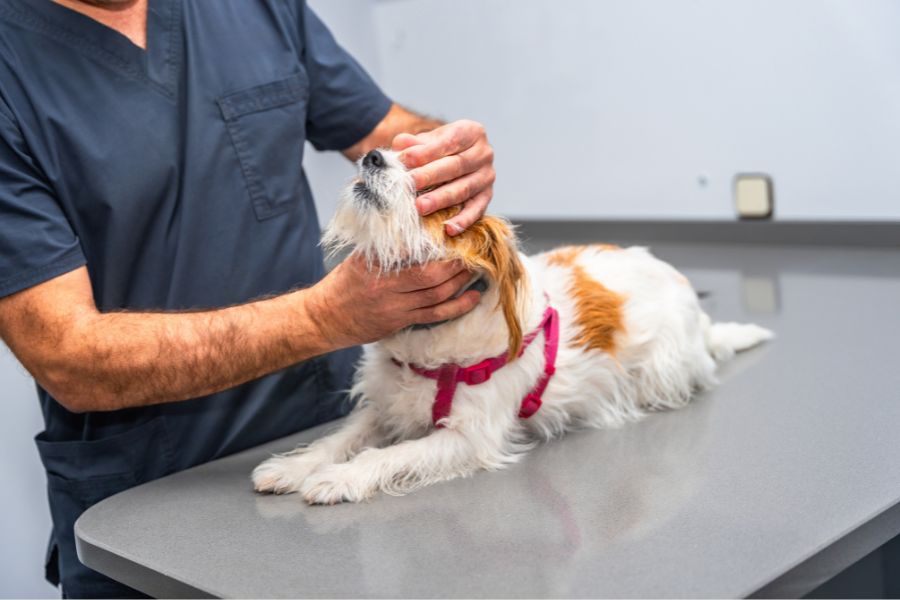
Before surgery, your pet receives a complete physical examination. Blood testing is often recommended to evaluate organ function and detect hidden health concerns. This step helps the medical team choose safe medications and anesthesia levels.
You may also discuss your pet’s eating habits, medications, allergies, and previous medical history. Honest communication helps reduce risks during the procedure. Pet owners usually receive instructions about fasting the night before surgery.
Preparing Your Pet for Surgery Day
The morning of surgery can feel emotional for many families. Pets often sense changes in routine, so staying calm and reassuring helps reduce anxiety. Bring your pet on a secure leash or in a comfortable carrier for safety.
The hospital team reviews paperwork, confirms the procedure, and answers final questions before surgery begins. You may also receive an estimated discharge time and instructions about post-surgical care at home.
Anesthesia and Patient Monitoring
Anesthesia allows pets to remain asleep and pain-free during surgery. Modern anesthesia protocols are carefully adjusted according to your pet’s size, age, and health condition. Monitoring equipment tracks breathing, heart rate, oxygen levels, and temperature throughout the procedure.
A trained team member remains focused on patient monitoring during surgery. Warm blankets and supportive padding help maintain comfort and body temperature. These details improve safety and recovery after soft tissue surgery for pets.
What Happens During the Procedure
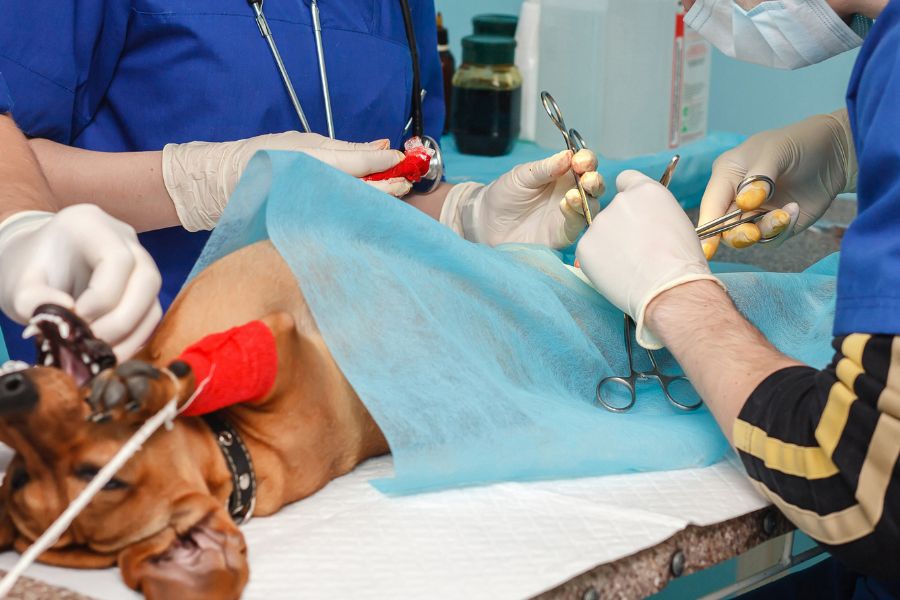
Once anesthesia takes effect, the surgical area is cleaned and prepared. Sterile tools and protective equipment reduce the risk of infection. The surgeon performs the procedure carefully while monitoring your pet’s condition closely.
Surgery length depends on the condition being treated. Some procedures take less than one hour, while others require additional time for careful repair or removal. After the procedure ends, the medical team continues monitoring your pet during the waking process.
Recovery Immediately After Surgery
Pets recover in a quiet area where staff members observe breathing, comfort, and movement. Some pets feel sleepy or slightly confused after anesthesia. This reaction is common and usually temporary.
Pain management is an important part of post-surgical care. Medications help reduce discomfort and support healing during recovery. Pets recovering from soft tissue surgery may also receive fluids, bandages, or protective collars before going home.
Caring for Your Pet at Home
Home recovery plays a major role in healing after pet surgery. Your veterinarian provides instructions about medication schedules, feeding, activity restriction, and incision care. Following these instructions carefully helps prevent complications.
Keep your pet in a calm and clean environment during recovery. Limit running, jumping, and rough play until healing improves. Watch for swelling, redness, discharge, loss of appetite, or unusual behavior near the incision site.
Many pets recover well within a few weeks, though healing time varies depending on the procedure. Follow-up visits help the medical team monitor progress and answer additional questions about recovery.
Conclusion
Soft tissue surgery for pets becomes less overwhelming when you understand each step involved in the process. Preparation, patient monitoring, pain management, and careful home recovery all support successful healing.
At Animal Hospital of North Charleston, we provide compassionate guidance, clear communication, and personalized support before, during, and after every procedure. If you are located in North Charleston, schedule an appointment with our caring team, where community-focused service and compassionate attention support your pet’s well-being through every stage of recovery.
Questions Pet Owners Often Ask(FAQs):
1. Will my pet feel pain after surgery?
A: Some soreness is expected after surgery, though pain medications help control discomfort. Pets usually recover more comfortably when medications are given exactly as directed during the healing period at home.
2. How long does a pet’s soft tissue surgery recovery take?
A: Recovery time depends on the procedure, age, and health condition of your pet. Many pets improve within two weeks, though certain surgeries require additional rest and follow-up appointments for complete healing.
3. Can my pet eat after surgery?
A: Most pets can eat a small meal after returning home, though their appetite may seem reduced at first. Your veterinarian provides feeding instructions based on your pet’s surgery and recovery condition.
4. Why does my pet need a recovery collar?
A: Recovery collars prevent licking or chewing around the incision site. This protection reduces infection risks and helps stitches remain secure while the surgical area continues healing properly.
5. What signs should I watch for after surgery?
A: Watch for swelling, bleeding, vomiting, weakness, trouble breathing, or loss of appetite. Contact your veterinarian immediately if you notice unusual symptoms or sudden behavior changes during recovery at home.
6. When should I schedule a follow-up visit?
A: Most follow-up visits happen within one or two weeks after surgery. These appointments allow your veterinarian to check healing progress and remove stitches if necessary.