New Clients Enjoy $40 OFF Their First Exam!*
Cruciate Ligament Injuries in Dogs: Diagnosis, Surgery, and Healing Timeline


Cruciate Ligament Rupture is one of the most common causes of sudden hind leg pain in dogs. This guide explains signs, diagnosis, treatment choices, surgery expectations, and recovery milestones in clear terms.
You will learn what owners can watch for at home, how clinics confirm the problem, what happens on surgery day, and how healing progresses week by week. The goal is honest, practical information that supports confident decisions for your dog’s comfort and mobility, from first limp to full activity. This overview is written for families in North Charleston, SC.
Understanding the Injury
Inside each knee sits a strong band that keeps the joint stable during walking, running, and turning. When this band tears or weakens, the knee shifts in ways it should not. Dogs often show limping, stiffness after rest, trouble rising, or a reluctance to jump. Some dogs place only light weight on the leg. Others continue moving with a subtle hitch that worsens over time.
How the Diagnosis Is Made
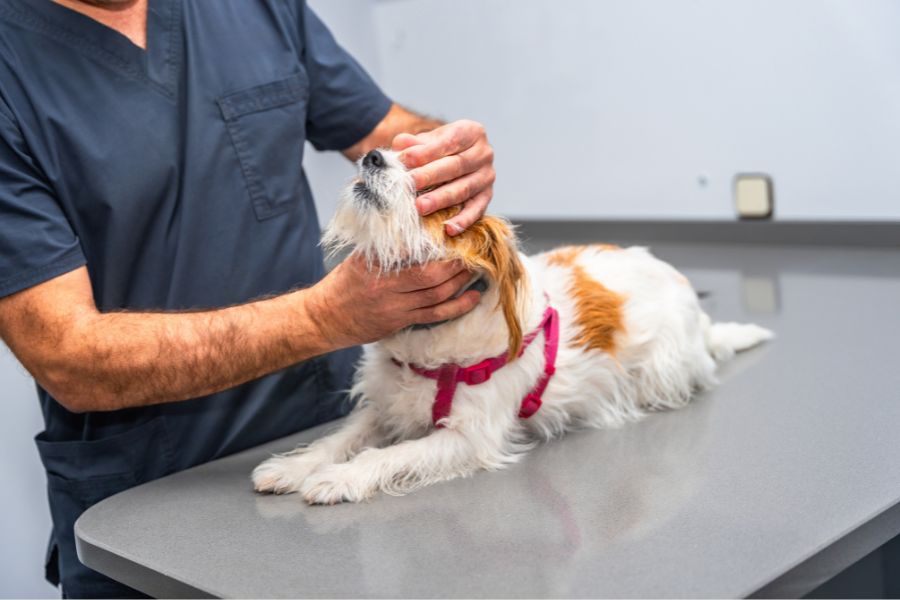
A hands-on exam remains the starting point. Your care team checks the range of motion, swelling, and knee stability. Gentle movements help reveal an abnormal slide within the joint. X-rays support the findings by showing fluid, early joint changes, and rule-outs like fractures.
Some dogs need light sedation to relax tight muscles so the exam stays accurate and calm. Blood work may be suggested before any procedure to confirm overall health.
Treatment Paths and When Surgery Helps
For small dogs with partial tears, rest, pain relief, and guided exercises may improve comfort. Even with careful care, many dogs regain only partial stability without surgery.
Surgery rebuilds joint strength by changing how forces move through the knee. Several proven methods exist, chosen by size, activity level, and surgeon experience. Restore function, reduce pain, and slow arthritis. During planning, ask about risks, timelines, and home care duties so expectations stay realistic.
Cruciate Ligament Rupture often leads families toward surgery because it offers the best chance for lasting comfort in active dogs. Procedures last one to two hours. Most patients go home the same day with pain medicine and clear instructions.
What to Expect on Surgery Day
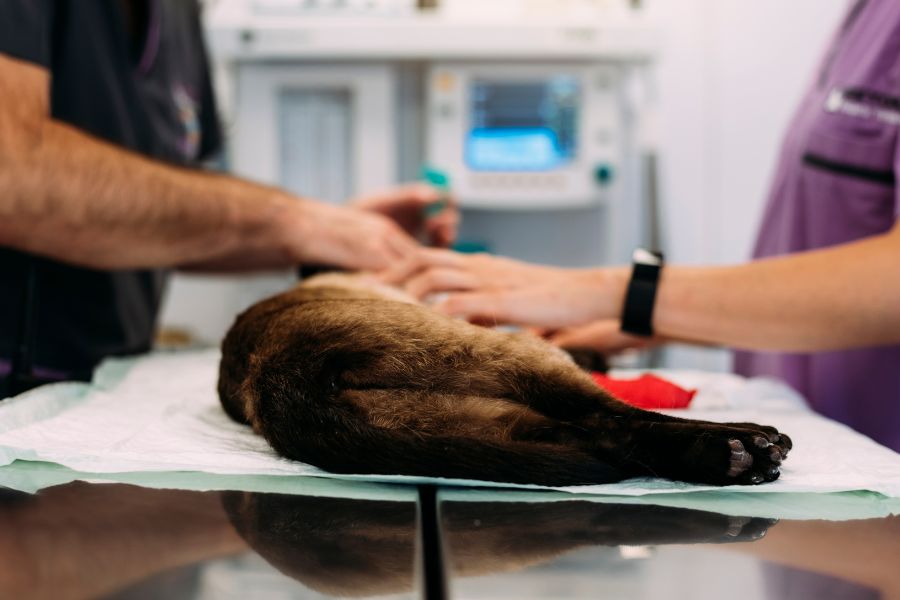
Your dog arrives fasted, receives calming medication, and gets an IV for fluids and pain control. Hair is clipped around the knee, the area is cleaned, and sterile drapes are placed. After the repair, a soft bandage may cover the leg. Staff review medications, activity limits, and recheck dates before discharge.
Mild swelling and sleepiness appear normal during the first days. Appetite returns within twenty-four hours for many dogs. Contact your clinic if you see bleeding, severe swelling, fever, or refusal to use the leg.
Healing Timeline: Week by Week
Weeks One to Two
Leash walks only for bathroom breaks. Ice packs reduce swelling. Keep the incision clean and dry. Short, gentle range of motion exercises may start if advised. Most dogs touch their toes by day ten.
Weeks Three to Six
Controlled walks increase in length. Sit-to-stand practice builds strength. Stairs stay limited. Swelling drops. Confidence improves. A recheck confirms progress and adjusts the plan.
Weeks Seven to Twelve
Longer walks, figure eights, and light hill work rebuild muscle. Many dogs return to normal household movement. Running and jumping remain off limits. Another visit checks stability.
Months Three to Six
Gradual return to play begins with guidance. Conditioning continues. Full recovery varies by size and commitment to home exercises. Most dogs regain pain-free movement within this window.
Life After Recovery
Keep weight in a healthy range. Use ramps for couches. Care of the opposite knee matters because load can strain it.
Cruciate Ligament Rupture recovery succeeds when families follow activity limits and rehab steps. Patience pays off with strong, steady strides.
Conclusion
Every dog deserves a clear plan after a knee injury, from diagnosis through rehabilitation. With timely care, thoughtful surgery choices, and consistent home support, most dogs return to comfortable movement and joyful routines.
Ask questions, track progress, and partner closely with your care team. We are conveniently serving in North Charleston, SC, and welcome you to our location: 8636 Dorchester Rd suite 112, North Charleston, SC 29420 — where compassionate care and community come together for your pet’s well-being. Schedule an appointment with Animal Hospital of North Charleston.
Frequently Asked Questions(FAQs):
1. How do I know if my dog tore a knee ligament?
A: Watch for limping, stiffness after naps, trouble rising, and hesitation with stairs. Some dogs carry the leg for short bursts. A hands-on exam confirms the issue. Seek care within days so pain control and planning begin early.
2. Can my dog heal without surgery?
A: Small dogs with partial tears sometimes improve with rest, weight control, pain relief, and guided exercises. Many active or larger dogs regain better stability with surgery. Your team reviews size, lifestyle, and tear severity before recommending a path.
3. How long until my dog walks normally again?
A: Toe touching often starts within two weeks. Steady walking returns by six to eight weeks with guided rehab. Full play may take three to six months. Progress varies with age, size, and home exercise follow-through.
4. What risks come with surgery?
A: Any procedure carries risks such as infection, implant issues, or delayed healing. Careful screening, sterile technique, and clear home care steps reduce problems. Report swelling, heat, discharge, or loss of appetite right away.
5. Will arthritis develop after this injury?
A: Joint changes can appear over time. Surgery lowers stress on the knee and slows progression. Weight management, regular low-impact activity, and comfort plans help keep dogs active.
6. How can I support recovery at home?
A: Follow leash rules, give medicines on schedule, protect the incision, and perform prescribed exercises. Use rugs for traction. Block furniture access. Keep visits on schedule so the plan adapts to progress.