New Clients Enjoy $40 OFF Their First Exam!*
Dog Ate a Tomato? Here’s What to Do Next


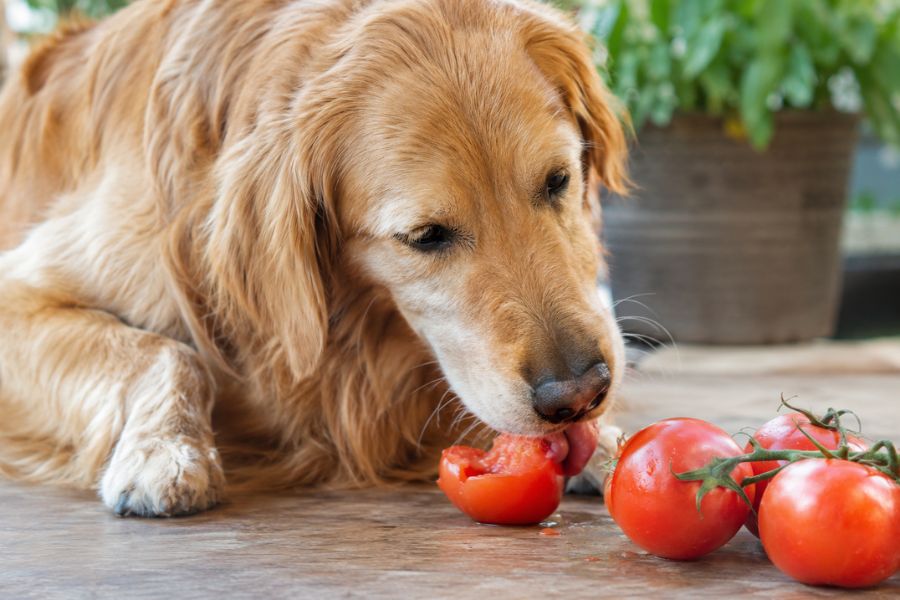
A dog eating a tomato is not automatically an emergency. A ripe, red tomato in a small amount is usually safe for most dogs, while green tomatoes, stems, and leaves contain compounds that can cause illness. This guide explains what to check, signs to watch for, when home monitoring is reasonable, when to contact a veterinarian, and how to prevent another tomato-related scare.
Is Tomato Safe for Dogs?
Ripe tomato flesh is generally considered safe for dogs when offered in moderation. A few bites of ripe tomato are unlikely to cause problems in a healthy dog.
Tomato stems, leaves, and unripe green fruit contain solanine and tomatine. Larger exposures may cause digestive or nervous system symptoms.
What Matters After Your Dog Eats a Tomato
The answer depends on four details: what part was eaten, how much was swallowed, your dog’s size, and whether the tomato was ripe.
A small dog that ate several green tomatoes needs more attention than a large dog that stole one slice of ripe tomato. A dog that swallowed leaves or stems should also be monitored closely.
My Dog Ate a Ripe Red Tomato
A single ripe tomato, without seasoning, usually calls for observation rather than panic. Remove any remaining tomato and keep water readily available.
Watch your dog for changes. Mild stomach upset can happen after unfamiliar foods. Vomiting, diarrhea, drooling, weakness, unusual sleepiness, or poor coordination deserve a call to your animal care team.
My Dog Ate a Green Tomato
Green tomatoes have higher levels of tomatine than ripe tomatoes. Eating a small piece may not cause serious illness, but the amount matters.
Call your veterinarian if your dog ate several green tomatoes, especially if your pet is small or already showing symptoms. Do not wait for severe signs before asking for advice.
My Dog Ate Tomato Leaves or Stems
Leaves and stems contain more potentially harmful compounds than ripe tomato flesh. Your response should focus on the amount consumed and your dog’s condition.
Contact a veterinary professional after a significant exposure. Do not give home remedies unless a professional specifically recommends them.
Signs of Tomato Toxicity in Dogs
Possible signs include vomiting, diarrhea, excessive drooling, reduced appetite, weakness, lethargy, confusion, loss of coordination, abdominal discomfort, and an abnormal heart rate. Severe exposure can produce neurological or cardiac effects.
A dog acting normal after eating a small piece of ripe tomato is reassuring. A dog developing repeated vomiting, marked weakness, tremors, difficulty walking, collapse, or breathing problems needs immediate professional attention.
Should You Make Your Dog Vomit?
Do not induce vomiting at home unless a veterinary professional tells you to do so. Hydrogen peroxide and other home methods can create additional risks, including irritation or aspiration.
Give the dog’s approximate weight, amount eaten, tomato ripeness, and whether leaves or stems were swallowed.
What to Do at Home
Remove access to the tomato plant, scraps, sauces, and seasoned foods. Keep your dog comfortable and offer normal access to water.
Do not give tomato sauce, salsa, canned tomato products, or leftovers as a substitute for tomato. These foods can contain onion, garlic, excess salt, spices, or other ingredients unsuitable for dogs.
When to Seek Urgent Care
Seek urgent help if your dog has repeated vomiting, severe diarrhea, tremors, seizures, collapse, significant weakness, breathing difficulty, or trouble walking. Prompt attention also makes sense after a large ingestion of green tomatoes or plant material.
For less serious concerns, professional veterinary care can help you decide whether monitoring at home is appropriate. Keep packaging or plant information available if another ingredient may have been involved.
Can Dogs Eat Tomatoes Regularly?
Healthy dogs can usually have small amounts of ripe, plain tomato as an occasional treat. Treats should remain a small part of the daily diet.
Dogs with sensitive stomachs may react to new foods even when those foods are generally safe. Introduce unfamiliar treats in tiny portions and watch for digestive changes.
How to Prevent Future Tomato Incidents
Garden fencing can keep curious dogs away from tomato plants. Pick ripe tomatoes promptly and store them where pets cannot reach them. Teach a “leave it” cue for dropped produce.
Keep tomato-based meals off accessible counters. Ask household members and children not to share seasoned tomato foods with the dog.
Frequently Asked Questions(FAQs):
1. Can dogs eat red tomatoes?
A: Most healthy dogs can eat small amounts of ripe red tomato flesh. Remove the stem and leaves, serve it plain, and watch for digestive upset when introducing this food.
2. Are green tomatoes poisonous to dogs?
A: Green tomatoes contain more tomatine than ripe tomatoes. A small bite may not cause serious illness, but larger amounts can be concerning. Contact a professional if your dog ate several green tomatoes or develops symptoms.
3. What happens if a dog eats tomato leaves?
A: Tomato leaves contain compounds that can cause illness when enough is consumed. Monitor closely and contact your animal care provider after significant ingestion, especially if vomiting, weakness, drooling, or coordination problems appear.
4. How much tomato can a dog eat?
A: There is no single safe amount for every dog. Small pieces of ripe tomato are a reasonable occasional treat for many healthy dogs, based on individual size, diet, and tolerance.
5. Can tomato sauce make dogs sick?
A: Tomato sauce can be more concerning than plain ripe tomato because recipes may contain onion, garlic, salt, spices, or other ingredients dogs should avoid. Check the ingredient list and contact a professional when exposure is significant.
6. When should I call a veterinarian after my dog eats tomato?
A: Call promptly after a large ingestion, green tomato or plant exposure, or concerning symptoms. Emergency signs include collapse, seizures, breathing trouble, severe weakness, repeated vomiting, or difficulty walking at once.