New Clients Enjoy $40 OFF Their First Exam!*
Giving Your Dog Apoquel? What Every Pet Parent Should Know


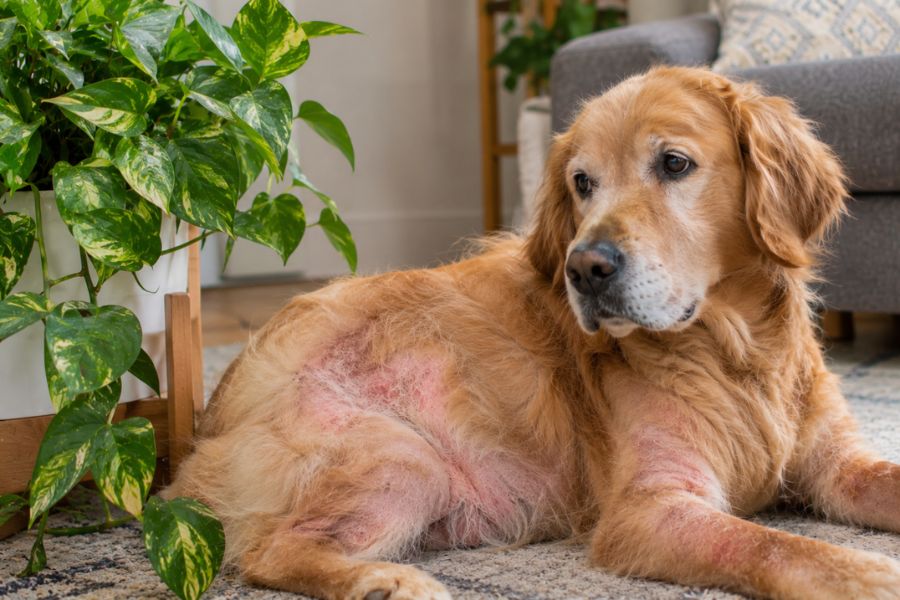
Constant scratching, licking paws, chewing skin, and recurring ear irritation can make life uncomfortable for dogs. Apoquel is a prescription medication commonly used to control itching associated with allergic skin conditions. It can provide relief without relying on traditional steroids, but the correct dosage, potential side effects, and long-term safety deserve careful attention.
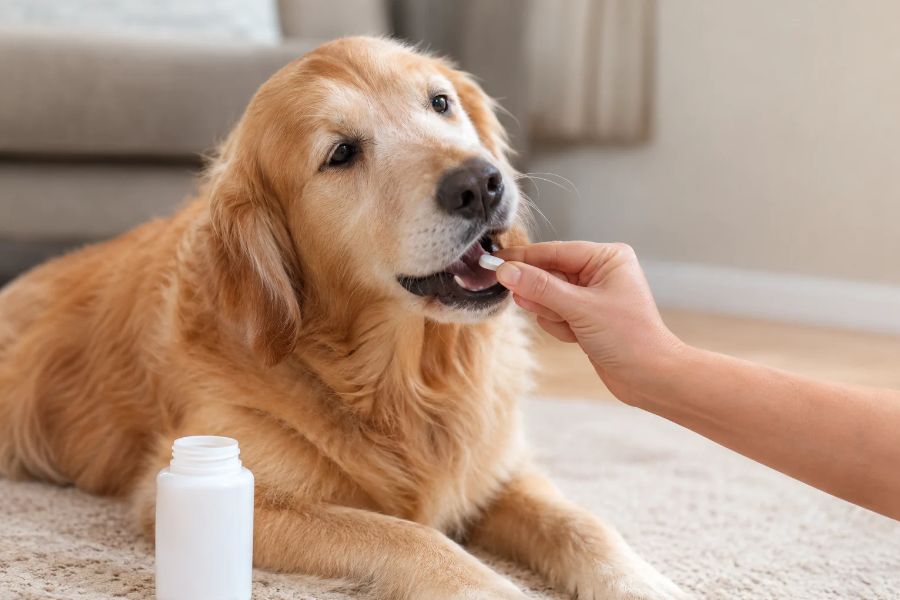
Apoquel contains oclacitinib, a medication that modifies immune signals involved in itching and inflammation. Dogs generally receive it twice daily during the initial treatment period and once daily for maintenance. The medication is not suitable for every dog, particularly puppies under 12 months and dogs with serious infections.
Understanding the Apoquel dosage chart, possible reactions, precautions, and alternative allergy treatments helps owners make informed decisions with their veterinarian.
What Is Apoquel for Dogs and How Does It Work?
Apoquel (oclacitinib) is a prescription medication designed to control itching associated with allergic dermatitis and canine atopic dermatitis. It belongs to a medication group called Janus kinase (JAK) inhibitors.
Allergic reactions trigger chemical signals that communicate itching and inflammation throughout the body. Apoquel blocks certain JAK-related signaling pathways involved in these reactions. This helps reduce scratching, skin irritation, and discomfort.
Apoquel is commonly prescribed for:
- Environmental allergies caused by pollen, dust mites, and mold.
- Atopic dermatitis and recurring allergic skin irritation.
- Persistent itching associated with allergic reactions.
- Excessive scratching, licking, and chewing caused by allergies.
Apoquel manages allergic symptoms rather than eliminating their underlying triggers. Dogs may still need treatment for infections, parasites, or other skin conditions.
Apoquel Dosage Chart for Dogs by Weight
The standard recommended Apoquel dosage is 0.4–0.6 mg per kilogram (0.18–0.27 mg per pound) of body weight.
The FDA-approved US prescribing information provides the following tablet schedule.
| Dog weight | 3.6 mg tablets | 5.4 mg tablets | 16 mg tablets |
|---|---|---|---|
| 6.6–9.9 lb | ½ | — | — |
| 10–14.9 lb | — | ½ | — |
| 15–19.9 lb | 1 | — | — |
| 20–29.9 lb | — | 1 | — |
| 30–44.9 lb | — | — | ½ |
| 45–53.9 lb | ½ | — | ½ |
| 54–59.9 lb | — | ½ | ½ |
| 60–89.9 lb | — | — | 1 |
| 90–129.9 lb | — | — | 1½ |
| 130–175 lb | — | — | 2 |
This is a reference, not a prescription. Confirm the correct row with the prescribing clinic. Apoquel comes in 3.6 mg, 5.4 mg, and 16 mg strengths.
How Often Should You Give Apoquel?
The labeled schedule is twice daily for up to 14 days, then once daily for maintenance when prescribed. It may be given with or without food. Never change the dose or double a missed dose without clinic instructions.
Common Apoquel Side Effects in Dogs
Reported side effects include vomiting, diarrhea, reduced appetite, lethargy, increased thirst, and skin or ear infections. Contact the clinic if symptoms persist or worsen. Seek urgent care for breathing difficulty, facial swelling, collapse, or severe weakness.
Does Apoquel Increase Infection or Cancer Risks?
Apoquel modifies immune activity. It may increase susceptibility to infections, including demodectic mange, and can worsen existing infections or certain cancers. Benign and malignant growths have been reported during studies and after approval. This does not mean every dog will develop cancer, but medical history and monitoring matter.
Apoquel is not for dogs younger than 12 months or dogs with serious infections. Discuss previous tumors, recurring infections, pregnancy, breeding, nursing, and current medications before treatment. The US label advises against use in breeding, pregnant, or lactating dogs.
Tell the prescriber about every medicine, supplement, and vaccine your dog receives; some drug combinations need extra caution and monitoring.
What Should You Check Before Starting Apoquel?
Itching may result from fleas, mites, bacterial or yeast infections, food reactions, or allergies. An examination and appropriate testing help identify the cause. Diagnostic care can help investigate skin and ear concerns and guide treatment.
Record when itching occurs, affected areas, food or environmental changes, and reactions after medication. Never give human allergy medicines or another pet’s Apoquel without instructions.
Is Apoquel Safe for Long-Term Use?
Some dogs need ongoing allergy control. Checkups review benefits, risks, infections, skin conditions, and new lumps. Your veterinarian may adjust treatment or discuss topical care, parasite control, diet trials, or allergy-specific options.
Help Your Dog Find Lasting Itch Relief
Apoquel can help dogs with allergic itching, but the right plan depends on age, weight, health, and the cause. Watch for side effects and never adjust medication independently. If your dog has recurring irritation, book an appointment to discuss diagnostic options and treatment.
Frequently Asked Questions(FAQs):
1. How quickly does Apoquel work in dogs?
A: Some dogs itch less within hours, with improvement often noticeable during the first day. Response varies by dog and condition. Contact your clinic if symptoms do not improve as expected.
2. Can I give my dog Apoquel twice a day?
A: The labeled starting schedule is twice daily for up to 14 days, followed by once-daily maintenance. Follow the prescribed plan; do not extend twice-daily dosing without professional direction.
3. Can Apoquel be given with food?
A: Yes. Apoquel may be given with or without food. Make sure your dog swallows the tablet. Ask the prescribing clinic what to do if vomiting occurs after administration.
4. Is Apoquel a steroid?
A: No. Apoquel is oclacitinib, a JAK inhibitor that changes immune signals involved in itching. It is not a corticosteroid, but it still has important precautions and potential adverse effects.
5. Can puppies take Apoquel?
A: No. The US label says Apoquel is not for dogs younger than 12 months. Puppies with persistent itching need an examination to identify safe, age-appropriate treatment.
6. What happens if I stop giving Apoquel?
A: Apoquel can generally be stopped without tapering, but itching may return if the allergy remains active. Discuss changes with your clinic to plan ongoing symptom control.