New Clients Enjoy $40 OFF Their First Exam!*
How Exercise Affects a Husky’s Lifespan: A Complete Guide to Keeping Your Dog Active and Healthy


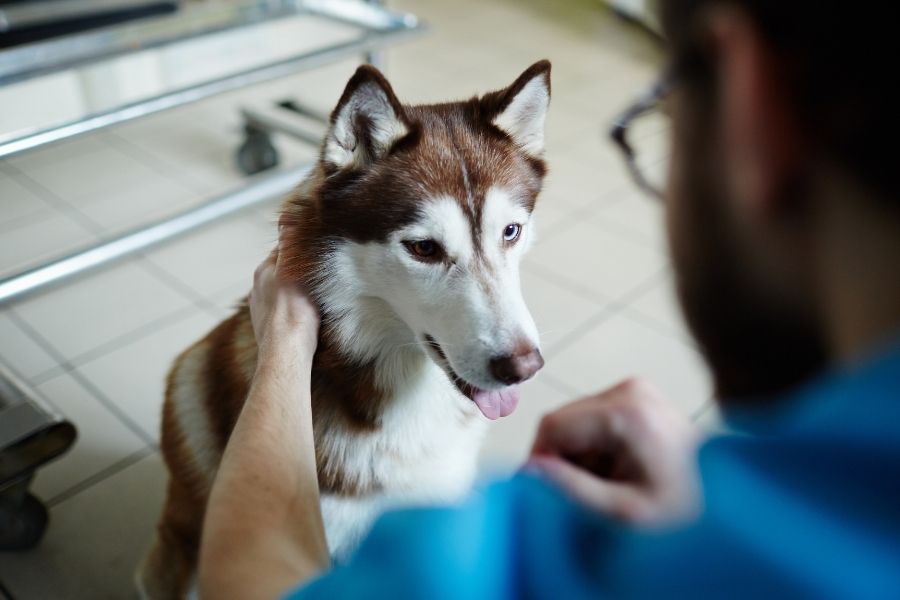
Huskies are built to move. With their athletic bodies, strong legs, thick coats, and history as working sled dogs, they often seem to have an endless supply of energy. If you share your home with one, you have probably seen this firsthand. A short walk around the block may leave you ready for a break while your Husky looks at you as if to say, “What are we doing next?”
That high energy is more than a personality trait. Regular exercise plays an important role in a Husky’s physical health, mental well-being, and quality of life. When activity levels are appropriate, exercise can help maintain a healthy weight, support muscles and joints, improve heart health, and reduce some behaviors linked to boredom.
But there is an important balance. More exercise is not always better. Pushing a Husky too hard, exercising during dangerous heat, or ignoring signs of pain can cause injuries and other health problems.
So, how does exercise affect a Husky’s lifespan? And how much activity does a Husky really need?
Let’s look at what regular exercise can do for your dog’s health and how to create a safe routine that supports a longer, healthier life.
Why Exercise Matters for a Husky’s Lifespan
A Husky’s body is designed for endurance. These dogs were bred to travel long distances while pulling sleds, so they generally need more physical activity than many other breeds.
A sedentary lifestyle can create problems over time. Too little activity can contribute to weight gain, muscle loss, reduced fitness, and boredom. Excess weight can place extra stress on the joints and make everyday movement harder.
Regular exercise supports several areas of your Husky’s health:
- Helps maintain a healthy body weight
- Builds and maintains muscle strength
- Supports cardiovascular fitness
- Keeps joints moving
- Provides mental stimulation
- Helps manage stress and boredom
- Supports healthy sleep
- Can reduce destructive behaviors caused by excess energy
Exercise does not guarantee that a Husky will live to a certain age. Genetics, nutrition, preventive care, environmental conditions, and underlying health problems also affect lifespan. Still, maintaining good physical fitness is one of the practical things you can do every day to support your dog’s long-term health.
How Regular Exercise Supports a Healthy Weight
Weight management is one of the clearest ways exercise can benefit a Husky.
Huskies are naturally active, but that does not mean every Husky automatically stays lean. Dogs that spend most of their time indoors, receive large portions, or get frequent treats can gain weight when their activity does not match their calorie intake.
Carrying extra weight affects more than appearance. It can increase stress on the hips, knees, and other joints. It can also make exercise more difficult, creating a cycle in which a dog moves less because movement has become uncomfortable.
A regular exercise routine helps your Husky burn energy and maintain muscle. Combined with appropriate nutrition, activity can help keep your dog at a healthy body condition.
Watch Your Husky’s Body Condition
You do not need to rely only on a scale to assess your dog’s weight. Look at your Husky from above and from the side.
You should be able to see a noticeable waist behind the ribs. You should also be able to feel the ribs without pressing through a thick layer of fat.
If you are unsure whether your Husky is carrying too much or too little weight, a routine wellness examination can help you understand what a healthy body condition looks like for your individual dog.
Exercise Helps Keep Muscles and Joints Strong
Huskies are powerful, active dogs. Their muscles need regular use to stay strong.
Walking, running, hiking, and other appropriate activities help maintain muscle tone. Strong muscles also provide support for the joints during movement.
This becomes increasingly important as a Husky gets older. Senior dogs naturally lose muscle mass with age, especially when they become less active. A suitable exercise routine can help older Huskies remain mobile and engaged.
However, exercise should match your dog’s age and physical condition.
A young, healthy Husky may be able to handle long walks and more demanding activities. A senior Husky may benefit more from several shorter walks, gentle play, and controlled movement.
If your dog starts limping, struggles to get up, avoids stairs, or becomes reluctant to exercise, do not assume it is simply part of getting older. Pain or an underlying health issue may be involved.
Mental Exercise Is Just as Important
Have you ever come home after leaving your Husky alone for several hours and found that your dog has created its own entertainment?
Huskies are intelligent and curious. Physical exercise alone may not meet all of their needs.
Mental stimulation gives your dog a chance to use its brain. Puzzle toys, scent games, obedience exercises, hide-and-seek, and training sessions can help prevent boredom.
A Husky that is mentally stimulated may be less likely to dig, chew, escape, or find other ways to entertain itself.
Mental activity can also make exercise more rewarding. Instead of simply walking the same route every day, allow your dog to stop and sniff. New smells provide valuable information and allow your Husky to explore its surroundings.
How Much Exercise Does a Husky Need?
There is no single exercise schedule that works for every Husky.
Age, health, body condition, temperament, weather, and daily routine all matter. Many healthy adult Huskies need around one to two hours of physical activity each day, often divided into multiple sessions.
That activity does not have to mean nonstop running.
A balanced day might include:
- A brisk morning walk
- Interactive play
- A training session
- A longer afternoon or evening walk
- Supervised outdoor exploration
Some Huskies may need more activity, while others may need less. The goal is to provide enough movement to keep your dog fit without creating excessive fatigue or injury.
Puppies Need Controlled Activity
Puppies can have plenty of energy, but their developing bones and joints are not ready for the same level of intense exercise as an adult Husky.
Short walks, gentle play, basic training, and supervised exploration are better choices for young dogs. Avoid forcing a puppy to run long distances or participate in strenuous activities before its body is ready.
Your puppy’s age and development should guide the pace.
Senior Huskies Still Need Movement
Older Huskies should not automatically become inactive.
Regular, gentle movement can help maintain muscle strength and mobility. Shorter walks may be easier than one long outing. Swimming, if your dog enjoys it and has safe access to water, can also provide low-impact activity.
Pay attention to how your senior Husky responds. If your dog seems stiff after exercise or takes longer than usual to recover, the routine may need to be adjusted.
Exercise and the Risk of Overheating
One of the biggest exercise concerns for Huskies is heat.
That thick double coat is excellent insulation in cold weather, but it does not make a Husky immune to heat stress. Huskies can overheat during warm or humid conditions, especially during strenuous activity.
Avoid intense exercise during the hottest part of the day. Choose cooler morning or evening hours and provide plenty of fresh water.
On very hot days, indoor enrichment may be safer than a long outdoor workout.
Know the Warning Signs of Heat Stress
Watch for:
- Heavy or excessive panting
- Excessive drooling
- Weakness
- Confusion
- Vomiting
- Trouble walking
- Collapse
Heat stress can become life-threatening. If your Husky shows serious signs of overheating, move your dog to a cool area and seek immediate professional care.
Exercise Should Not Cause Pain
A healthy exercise routine should challenge your Husky without repeatedly causing pain or exhaustion.
Pay attention to changes in behavior. A dog that suddenly stops wanting to run, refuses a favorite game, limps, or struggles to climb stairs may be telling you something is wrong.
Other signs worth paying attention to include:
- Limping during or after exercise
- Repeatedly licking a particular joint or paw
- Difficulty standing
- Stiffness after resting
- Reluctance to jump
- Unusual tiredness
- Changes in gait
- Reduced interest in normal activities
Do not try to push through these signs with more exercise. Rest and an evaluation can help determine whether your Husky has an injury or health problem.
For routine guidance on your dog’s overall health, pet wellness care can include assessing body condition, mobility, nutrition, and age-appropriate activity.
Different Types of Exercise for Huskies
Huskies tend to enjoy activities that let them move, explore, and think.
- Walking and Hiking
Walking is an easy foundation for an exercise routine. Hiking adds new sights and smells while providing more physical activity.
Always keep your dog’s fitness level and the trail conditions in mind. Hot pavement, sharp rocks, ice, and rough terrain can injure paws.
- Running
A healthy adult Husky may enjoy running, but build distance gradually. Do not take an inexperienced dog straight into a long-distance run.
Let your Husky develop endurance over time.
- Fetch and Active Play
Games can provide short bursts of exercise and are easy to fit into a busy day. Change the games occasionally to keep your dog interested.
- Scent Games
Hide treats or toys around a safe area and let your Husky search for them. This combines movement with mental stimulation.
- Training
Training is exercise for the brain. Short sessions involving commands, tricks, recall, leash skills, or problem-solving can help tire a Husky without requiring constant physical activity.
How to Build a Safe Exercise Routine
If your Husky currently gets very little exercise, do not suddenly introduce several hours of intense activity.
Start gradually.
Increase walking time or activity in small steps and monitor your dog’s response. Give your Husky time to rest between demanding activities.
A practical routine might look like this:
Morning: 30–45 minutes of walking and sniffing
Midday: 10–15 minutes of training or puzzle play
Evening: 30–60 minutes of walking, hiking, or interactive play
The exact schedule should depend on your dog’s age, health, fitness, and energy level.
Consistency matters more than one huge exercise session followed by several inactive days.
Can Exercise Actually Extend a Husky’s Life?
Exercise can support factors that are closely connected with long-term health, but it is not a lifespan guarantee.
A fit Husky is more likely to maintain a healthy body weight, stronger muscles, better physical function, and good mobility. Regular activity can also contribute to a better quality of life.
Still, exercise is only one part of responsible Husky care.
Your dog’s long-term health also depends on:
- Balanced nutrition
- Routine wellness visits
- Preventive care
- Dental care
- Parasite prevention
- Healthy body weight
- Safe living conditions
- Early attention to changes in behavior or physical health
- Appropriate care as your dog ages
The best approach is to think about exercise as part of a complete health routine rather than as a way to add a guaranteed number of years to your dog’s life.
Final Thoughts
Exercise is a major part of keeping a Husky healthy, active, and comfortable throughout life. Regular movement supports healthy weight, muscle strength, mobility, heart health, and mental well-being. It can also help prevent boredom and give your dog an outlet for the energy that makes the breed so unique.
The key is finding the right amount.
A young, healthy Husky may thrive on long walks, hikes, running, and active games. An older dog may need shorter, gentler sessions. Hot weather calls for extra caution, and signs of pain should never be ignored.
Instead of asking, “How much exercise can my Husky handle?” ask, “What type and amount of activity helps my Husky stay healthy without causing unnecessary strain?”
That mindset can help you build an exercise routine that supports your dog’s health for years to come.
Frequently Asked Questions
1. How much exercise does a Husky need each day?
A: Most healthy adult Huskies need about one to two hours of physical activity each day, although individual needs vary. Exercise can include walks, hiking, running, active play, and other suitable activities. Mental stimulation should also be part of the daily routine.
2. Can too much exercise be harmful to a Husky?
A: Yes. Excessive or intense activity can contribute to muscle strain, joint stress, paw injuries, dehydration, and exhaustion. Puppies, senior dogs, and dogs with health problems may need more carefully controlled activity.
3. Is exercise important for an older Husky?
A: Yes. Older Huskies still benefit from regular movement. Gentle walks and other low-impact activities can help maintain muscle strength and mobility. The duration and intensity should be adjusted based on your dog’s comfort and physical condition.
4. What is the best exercise for a Husky?
A: There is no single best activity. Walking, hiking, running, interactive games, scent work, and training can all be useful. Combining physical and mental activities often works well for this intelligent, energetic breed.
5. How can I tell if my Husky is getting too much exercise?
A: Signs can include unusual exhaustion, persistent panting, limping, stiffness, reluctance to move, difficulty getting up, or a noticeable change in behavior after activity. Stop strenuous exercise and have your dog assessed if these signs persist or appear suddenly.
.