New Clients Enjoy $40 OFF Their First Exam!*
When Drooling Becomes Dangerous: Red Flags That Need a Vet’s Attention


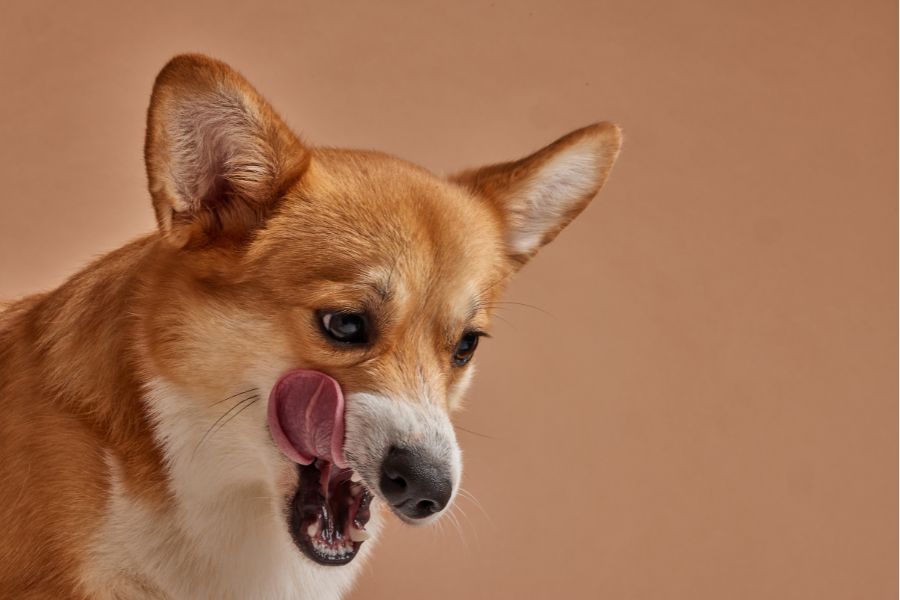
A little drool from your furry friend may seem normal, especially if they just spotted a tasty snack or returned from a playful run. However, not all drooling is innocent. Sometimes, saliva production signals a deeper issue that needs urgent care. By learning to recognize the red flags, you can act quickly to protect your pet’s health and comfort.
Drooling vs. Dangerous Dribbling: Knowing the Difference
Drooling has many harmless causes—anticipation of food, heat, or even certain breeds with loose jowls. For example, Saint Bernards, Mastiffs, and Bloodhounds are well-known for their constant slobber. But when drooling suddenly increases or changes in appearance, it may point toward something more serious. Excessive drooling is not a condition to brush off—it’s your pet’s way of signaling discomfort or illness.
Dental Distress: When Oral Pain Triggers Drool
One of the most common culprits behind abnormal drooling is dental disease. Broken teeth, gum infections, or oral tumors can make it painful for pets to swallow normally, causing saliva to pool and drip. Transitioning from mild gum irritation to advanced dental issues can happen faster than you expect. If your pet refuses food, paws at their mouth, or develops foul-smelling breath along with drooling, it’s time to schedule a veterinary checkup.
Toxic Trouble: Drool as a Warning Signal
Pets are naturally curious, and sometimes their curiosity leads them to lick or chew things they shouldn’t. Household cleaners, plants, certain foods, and even human medications can be toxic. Poison ingestion often results in excessive drooling, along with vomiting, tremors, or lethargy. In these cases, drooling is not just a messy inconvenience—it’s a desperate cry for help. Quick action is essential, so contacting your veterinarian immediately can make all the difference.
Heatstroke and Drooling: A Summer Risk
Drooling can also be a warning sign of heatstroke, especially in hot weather. Dogs regulate their body temperature by panting, but when their system becomes overwhelmed, saliva production spikes. If you notice heavy drooling combined with rapid breathing, red gums, or collapse, treat it as a medical emergency. Cooling your pet and seeking professional care immediately could save their life.
Digestive Distress: When Stomachs Speak Through Saliva
Sometimes, drooling links directly to stomach problems. Nausea, foreign objects stuck in the throat, or gastrointestinal blockages can all lead to hypersalivation. Unlike minor stomach upset, these issues can escalate quickly. If your pet gags, vomits repeatedly, or seems in visible pain while drooling, professional attention becomes non-negotiable.
Breathing Battles: Respiratory Red Flags
Respiratory infections, throat inflammation, or even problems with the esophagus can show up first as drooling. When pets struggle to breathe comfortably, saliva may escape uncontrollably. Watch for coughing, wheezing, or refusal to eat alongside excessive drool—these symptoms often signal something more complex than a simple cold.
Behavioral Clues: When Anxiety Shows Up as Slobber
Drooling is not always medical; sometimes it’s emotional. Pets under stress or experiencing separation anxiety may salivate heavily. Thunderstorms, fireworks, or trips to the vet can trigger this reaction. While occasional stress-related drooling isn’t an emergency, persistent episodes may require behavioral support or further medical evaluation.
When to Call the Vet Immediately
While a drooly pet can sometimes make you laugh, there are situations when laughter turns into concern. Seek veterinary help right away if drooling comes with:
- Vomiting or diarrhea
- Refusal to eat or drink
- Swollen face or mouth
- Difficulty breathing
- Sudden lethargy or collapse
Timely care is crucial. For residents looking for reliable veterinary support, North Charleston animal hospital services provide professional evaluation for pets showing these concerning signs.
Preventive Care: Staying Ahead of Serious Problems
The best way to keep drooling from becoming dangerous is prevention. Regular dental checkups, keeping harmful substances out of reach, and monitoring your pet during hot weather go a long way in protecting their health. Additionally, scheduling routine wellness visits helps catch potential problems early, before they escalate.
If your pet ever shows persistent or alarming drooling, seeking professional care ensures peace of mind. Drooling is not always a simple quirk—it can be your pet’s silent alarm. From dental disease to heatstroke and toxicity, saliva often tells a story about what’s happening inside your companion’s body. By staying observant, recognizing red flags, and acting quickly, you can protect your pet’s health and well-being.
Because at the end of the day, every droplet of drool deserves your attention when it comes to your pet’s safety.