New Clients Enjoy $40 OFF Their First Exam!*
7 Proven Ways to Help Your Great Dane Live a Longer Life


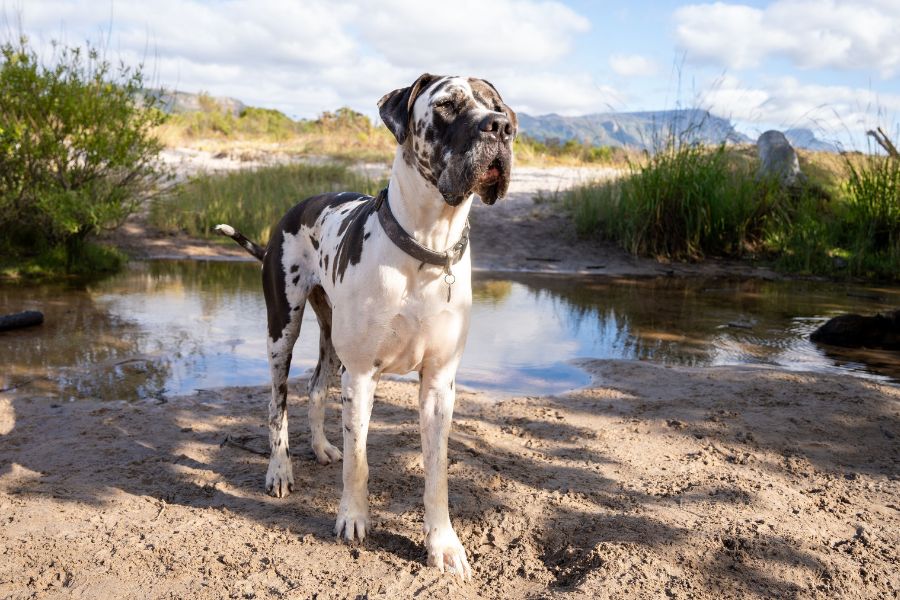
Great Danes are known for their size, gentle temperament, and strong bond with their families. While they bring immense joy, one concern many owners share is the relatively shorter life expectancy of Great Dane dogs compared to smaller breeds. On average, Great Danes live between 7 and 10 years. With the right care, some can exceed this range and enjoy a healthier, more active life.
This guide offers clear, practical steps you can take to support your dog’s well-being and extend their lifespan. Each section is built around proven care strategies that align with veterinary guidance and real-world experience.
Understanding the Life Expectancy of Great Dane Dogs
Before diving into the strategies, it helps to understand what affects the life expectancy of Great Dane dogs.
Several factors play a role:
- Genetics and breeding quality
- Nutrition and weight management
- Preventive healthcare
- Exercise habits
- Early detection of health issues
Great Danes are prone to certain conditions such as heart disease, hip dysplasia, and gastric dilatation-volvulus (bloat). Knowing this allows you to take early action and reduce risks.
1. Prioritize High-Quality Nutrition
Why Diet Matters
Nutrition is the foundation of your dog’s health. For a giant breed like the Great Dane, feeding the right food in the correct portions is essential.
What to Focus On
- Choose large-breed or giant-breed dog food
- Maintain balanced calcium and phosphorus levels
- Avoid overfeeding, especially during growth stages
- Split meals into 2–3 portions daily
Rapid growth can stress bones and joints, so controlled feeding during puppyhood is critical.
Quick Tip
Avoid feeding right before or after exercise to reduce the risk of bloat.
2. Maintain a Healthy Weight
The Hidden Risk of Obesity
Excess weight reduces mobility and puts stress on joints and the heart. It can significantly shorten the life expectancy of Great Dane dogs.
How to Keep Your Dog Fit
- Monitor body condition regularly
- Use measured feeding instead of free feeding
- Limit high-calorie treats
- Adjust food intake based on age and activity level
What to Look For
You should be able to feel your dog’s ribs without pressing too hard, and they should have a visible waistline.
3. Stay Consistent with Veterinary Care
Preventive Care Saves Lives
Routine veterinary visits help detect problems early. Many health issues in Great Danes develop silently.
Essential Checkups Include
- Annual or biannual wellness exams
- Vaccinations
- Parasite prevention
- Heart health screenings
If you notice unusual symptoms like lethargy, appetite changes, or swelling, seek care promptly.
???? If your pet needs professional care or a routine checkup, it’s always a good time to visit our website to learn more about available veterinary services.
4. Protect Against Bloat (GDV)
One of the Most Serious Risks
Bloat is a life-threatening condition that affects deep-chested breeds like Great Danes.
Signs of Bloat
- Swollen abdomen
- Restlessness
- Unsuccessful attempts to vomit
- Rapid breathing
Prevention Tips
- Feed smaller meals throughout the day
- Avoid vigorous activity after eating
- Use slow feeders if your dog eats too fast
Some owners consider preventive surgery (gastropexy), which can reduce the risk of stomach twisting.
5. Provide Safe and Regular Exercise
Balance Is Key
Exercise helps maintain muscle tone and heart health, but too much strain can harm joints.
Recommended Routine
- Daily walks
- Light play sessions
- Avoid high-impact activities during growth phases
For Puppies
Limit running and jumping until bones are fully developed. This protects joints and prevents long-term damage.
6. Support Joint and Bone Health
Why It Matters
Great Danes are prone to joint issues due to their size and rapid growth.
Preventive Steps
- Provide orthopedic bedding
- Use joint supplements if recommended by your vet
- Avoid slippery floors that may cause falls
Early Warning Signs
- Limping
- Difficulty standing
- Reduced activity
Early intervention can slow progression and improve quality of life.
7. Create a Low-Stress Living Environment
Mental Health Impacts Physical Health
Stress affects appetite, immunity, and overall wellness.
How to Reduce Stress
- Maintain a consistent routine
- Provide a comfortable resting space
- Offer mental stimulation through toys and interaction
Great Danes thrive on companionship. Regular bonding time supports emotional health and strengthens trust.
Signs Your Great Dane Is Aging Well
Monitoring your dog’s health over time helps you make better decisions.
Look for:
- Steady appetite
- Normal energy levels
- Healthy coat condition
- Stable weight
Any sudden changes should be discussed with your veterinarian.
Common Health Concerns That Affect Lifespan
Understanding common conditions helps you stay proactive.
Heart Disease
Dilated cardiomyopathy is common in Great Danes. Regular screenings help detect it early.
Hip Dysplasia
Affects mobility and comfort. Managed through weight control and joint support.
Cancer
Early detection improves outcomes. Watch for lumps or unusual behavior.
How Lifestyle Choices Impact Longevity
Every decision you make plays a role in your dog’s lifespan. From feeding habits to exercise routines, consistency leads to better outcomes.
The goal is not just to extend the life expectancy of Great Dane dogs, but to ensure those years are healthy and comfortable.
Conclusion: Helping Your Great Dane Live a Longer, Healthier Life
Caring for a Great Dane requires attention, consistency, and informed decisions. While the life expectancy of Great Dane dogs may be shorter than that of some breeds, you can influence their health in meaningful ways. Focus on proper nutrition, regular veterinary care, safe exercise, and a stress-free environment. Small daily habits can lead to long-term benefits.
If you’re noticing changes in your dog’s health or want to take a proactive approach, consider scheduling a professional evaluation. A trusted veterinary team can guide you through personalized care options. Book an appointment with us today to give your Great Dane the support they need for a longer, healthier life.
FAQs About Great Dane Lifespan
1. What is the average life expectancy of Great Dane dogs?
A: Most Great Danes live between 7 and 10 years. With proper care, some may live longer.
2. Can diet really affect a Great Dane’s lifespan?
A: Yes. Balanced nutrition supports organ function, bone health, and weight control.
3. How often should I take my Great Dane to the vet?
A: At least once a year for adults and more frequently for seniors or dogs with health conditions.
4. Is exercise important for extending lifespan?
A: Yes. Regular, moderate exercise improves cardiovascular health and prevents obesity.
5. What is the biggest health risk for Great Danes?
A: Bloat (GDV) is one of the most serious and life-threatening conditions.
6. Are supplements necessary for Great Danes?
A: Not always. Your vet can recommend supplements based on your dog’s specific needs.