New Clients Enjoy $40 OFF Their First Exam!*
Colitis in Dogs: Understanding Stress-Related Digestive Issues


Has your dog ever had sudden diarrhea with mucus or streaks of blood after a move, boarding stay, or loud holiday weekend? If so, you may have seen a common digestive problem known as colitis in dogs.
Colitis refers to inflammation of the colon, which is the large intestine. When the colon becomes irritated, it cannot absorb water properly. This leads to frequent trips outside, loose stools, straining, and discomfort. Stress is one of the most common triggers.
This guide breaks down what colitis in dogs looks like, why stress plays such a big role, how it is treated, and what you can do to protect your dog’s digestive health.
What Is Colitis in Dogs?
Colitis means inflammation of the colon. The colon’s job is simple: it absorbs water and stores waste before it leaves the body. When inflamed, it becomes irritated and sensitive.
With colitis in dogs, you may notice:
- Frequent small bowel movements
- Loose or watery stool
- Mucus in stool
- Bright red blood in stool
- Straining to poop
- Urgency or accidents indoors
Most cases involve the lower digestive tract. Dogs usually still want to eat and act fairly normal, although they may seem uncomfortable.
Colitis can be acute (sudden and short-term) or chronic (lasting weeks or returning often).
How Stress Triggers Digestive Problems
Dogs react strongly to changes in routine. The brain and gut are closely connected. When your dog feels anxious or stressed, the digestive tract responds.
Common stress triggers include:
- Boarding or travel
- New pets in the home
- Loud noises like fireworks or storms
- Moving to a new house
- Schedule changes
- Guests visiting
Stress changes how the colon moves and affects the balance of healthy bacteria in the gut. This can quickly lead to inflammation and symptoms of colitis in dogs.
Some dogs are more sensitive than others. High-energy or anxious breeds may experience stress-related digestive flare-ups more often.
Signs Your Dog May Have Stress-Related Colitis
Not all diarrhea means colitis. Stress-related cases tend to show a clear pattern.
Watch for These Clues:
- Sudden onset after a stressful event
- Small amounts of stool are passed many times
- Mucus coating the stool
- Bright red blood (not dark, tarry stool)
- Straining without producing much
If your dog still has normal energy and appetite, stress colitis is more likely. If you notice vomiting, lethargy, fever, or black stool, that signals a different issue and needs immediate attention.
Acute vs. Chronic Colitis in Dogs
Understanding the difference helps you respond correctly.
1. Acute Colitis
- Starts suddenly
- Often linked to stress, diet change, or eating something unusual
- Usually resolves within a few days with proper care
2. Chronic Colitis
- Lasts longer than two to three weeks
- Comes back repeatedly
- May be tied to food intolerance, parasites, or inflammatory bowel disease
Chronic cases need deeper investigation and long-term management.
Other Causes of Colitis in Dogs
Stress is common, but not the only cause.
Other triggers include:
- Sudden diet changes
- Food intolerance
- Intestinal parasites
- Bacterial imbalance
- Eating spoiled food
- Certain medications
Because symptoms overlap, stool testing may be needed to rule out parasites or infection.
How Colitis in Dogs Is Diagnosed
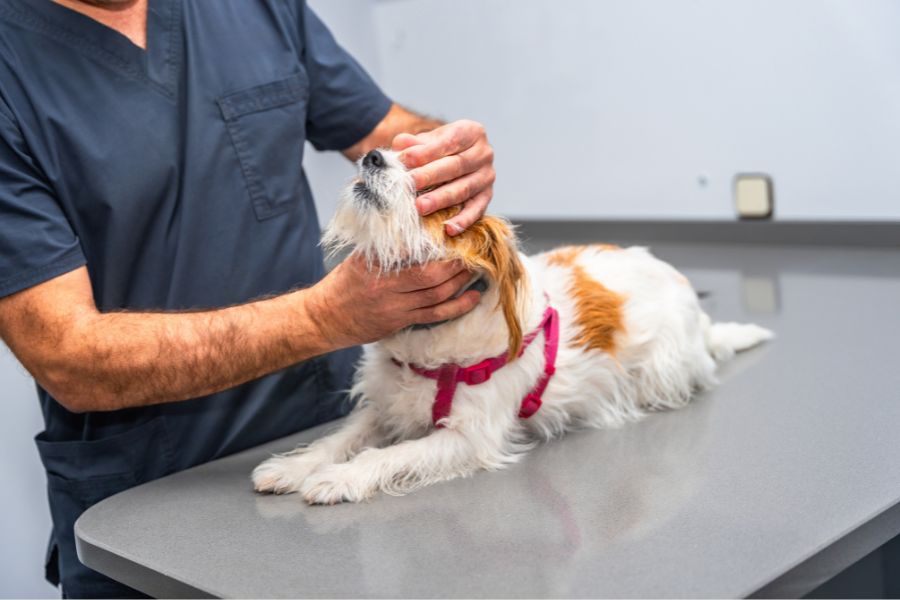
Diagnosis often starts with a full history. When did symptoms begin? Did anything stressful happen? Was there a recent diet change?
A stool test may be recommended to check for parasites. In recurring cases, blood work or imaging may be advised.
In most stress-related cases, diagnosis is straightforward and based on symptoms and recent events.
If you would like a clearer picture of your dog’s digestive and overall health, learn more about our veterinary services here- The Animal Hospital of North Charleston. Getting reliable information helps you make confident decisions for your pet.
Treatment Options for Stress-Related Colitis
Most mild cases improve quickly with supportive care.
1. Bland Diet
A simple diet helps calm the colon. Common options include:
- Boiled chicken and plain white rice
- Prescription gastrointestinal diets
Feed small, frequent meals.
2. Hydration
Loose stool leads to fluid loss. Make sure fresh water is always available.
3. Probiotics
Probiotics restore healthy gut bacteria and help shorten recovery time.
4. Short-Term Medication
In moderate cases, anti-inflammatory or anti-diarrheal medication may be used for a few days.
5. Stress Reduction
Addressing the trigger prevents repeat flare-ups. This might mean calming supplements, exercise, or creating a quiet, safe space.
Most stress-related colitis in dogs improves within three to five days when treated early.
How to Prevent Future Flare-Ups
You cannot remove every stressor from your dog’s life, but you can reduce the impact.
1. Keep a Consistent Routine
Dogs thrive on predictability. Feed, walk, and play at similar times each day.
2. Introduce Changes Gradually
New foods should be introduced slowly over 7–10 days. New pets should be introduced carefully.
3. Support Gut Health
A high-quality diet and regular pet wellness care support digestive balance and immune strength.
4. Plan for Known Stressors
If fireworks or travel are coming up, talk about calming strategies before symptoms start.
When to Seek Immediate Care
Contact a professional right away if your dog has:
- Large amounts of blood in stool
- Black or tarry stool
- Severe lethargy
- Persistent vomiting
- Signs of dehydration
- Symptoms lasting more than three days
Young puppies and senior dogs dehydrate quickly and need prompt attention.
The Long-Term Outlook
The good news is that most cases of colitis in dogs linked to stress are mild and temporary. With proper care, dogs recover quickly.
Chronic cases require more planning but can often be managed successfully with diet changes and routine monitoring.
Paying attention to patterns helps. If your dog develops diarrhea after every boarding visit, that pattern matters. Preventive strategies can reduce repeat episodes.
A Simple Home Checklist
If your dog has loose stool today, ask yourself:
- Did anything stressful happen recently?
- Is my dog still eating and drinking normally?
- Is the blood bright red rather than dark?
- Has this lasted less than 48 hours?
If the answers line up with mild stress colitis, supportive care may help. If anything seems unusual, do not wait.
Final Thoughts: Helping Your Dog Feel Better
Colitis in dogs can be stressful for both you and your pet. The sudden urgency, messy cleanups, and worry about blood in stool are unsettling. The good news is that stress-related colitis is common and usually manageable.
Watch for patterns. Act early. Support gut health. Reduce stress where possible. Small steps make a real difference.
If your dog is experiencing digestive issues now, take note of recent changes and monitor symptoms closely. When in doubt, seek guidance. Early care prevents complications and helps your dog return to normal faster.
Your dog depends on you to notice changes and respond calmly. With the right information, you can handle colitis in dogs confidently and protect your dog’s digestive health long term.
FAQs About Colitis in Dogs
1. How long does stress colitis last in dogs?
Most cases improve within three to five days with diet changes and supportive care.
2. Is blood in stool always serious?
Bright red streaks often point to colon irritation. Large amounts of dark blood need urgent attention.
3. Can stress alone really cause digestive issues?
Yes. The gut and brain are strongly connected. Stress changes colon movement and gut bacteria balance.
4. What should I feed a dog with colitis?
A bland diet like boiled chicken and rice works short term. Long-term diets depend on the underlying cause.
5. Can colitis in dogs become chronic?
Yes. Repeated flare-ups may signal food intolerance or inflammatory bowel disease.
6. Are certain breeds more prone to colitis?
Some breeds, such as Boxers and German Shepherds, may experience chronic digestive sensitivity more often.