New Clients Enjoy $40 OFF Their First Exam!*
American English Coonhound Puppy Care Checklist: A Veterinary-Focused Guide



Bringing home a new puppy is exciting, rewarding, and full of responsibility. This guide offers a clear, veterinarian-informed checklist to help new owners raise a healthy, confident puppy. From early health exams and nutrition to training, safety, and long-term planning, each section explains what matters, why it matters, and when to act.
The goal is simple. Support steady growth, prevent common health issues, and build habits that last a lifetime.
Understanding Your Puppy’s Early Needs
The American English Coonhound is known for stamina, intelligence, and a strong nose. Puppies develop fast during the first year, so early care shapes physical health, behavior, and emotional balance. Veterinary guidance during this stage reduces preventable illness and supports proper development.
First Veterinary Visit and Health Screening
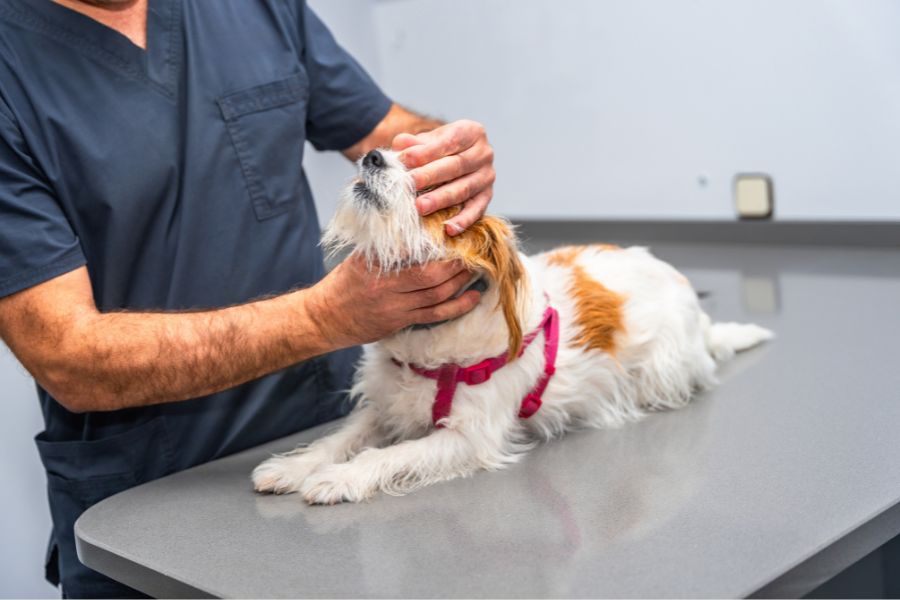
Schedule the first veterinary exam within a few days of adoption. The veterinarian checks weight, heart, lungs, joints, eyes, ears, and skin. Fecal testing screens for intestinal parasites. Early exams create a medical baseline and allow prompt treatment when concerns appear.
Vaccination and Parasite Prevention
1. Core Vaccinations
Puppies need protection from serious infectious diseases. Core vaccines include distemper, parvovirus, adenovirus, and rabies. Your veterinarian sets the schedule based on age, health status, and local risk factors. Timely vaccination saves lives and protects the community.
2. Parasite Control Plan
Puppies face exposure to fleas, ticks, heartworms, and intestinal parasites. A preventive plan starts early and continues year-round. Your veterinarian recommends safe products based on weight and lifestyle. Skipping prevention leads to illness that is harder and costlier to treat.
Nutrition for Steady Growth
Proper nutrition supports bones, muscles, and the immune system. Choose a puppy food that meets AAFCO standards for growth. Large, active breeds benefit from balanced calcium and controlled calories to support joint health.
Feeding Schedule and Portion Control
Feed measured meals two to three times daily. Avoid free feeding. Monitor body condition rather than relying only on the label. Rapid weight gain strains developing joints and raises future orthopedic risk.
Training, Socialization, and Mental Health
Early training builds trust and reduces problem behaviors. Puppies learn fastest during the first months of life. Positive reinforcement works best and supports emotional stability.
Social Experiences That Matter
Expose your puppy to people, sounds, surfaces, and safe animals. Controlled exposure reduces fear later in life. Puppy classes approved by veterinarians offer social learning while maintaining health standards.
Exercise and Physical Development
The American English Coonhound puppy has energy but needs structured activity. Short walks, supervised play, and scent games support fitness without overloading joints. Avoid forced running or long hikes during growth phases.
Rest and Recovery
Puppies need plenty of sleep. Rest supports brain development and muscle repair. Provide a quiet, comfortable space where your puppy can relax without disturbance.
Grooming and At-Home Care
Routine grooming supports skin health and helps owners notice changes early. Weekly brushing removes loose hair and dirt. Check ears often, as long ears trap moisture and debris.
Dental Care Starts Early
Begin tooth brushing during puppyhood. Use veterinary-approved toothpaste. Early dental care prevents periodontal disease, which affects overall health and comfort.
Spay or Neuter Planning
Discuss timing with your veterinarian. Decisions depend on growth, behavior, and health considerations. Thoughtful planning supports long-term wellness and reduces certain disease risks.
Safety and Home Preparation
Puppy-proof the home before arrival. Secure trash, cords, medications, and small objects. Use a properly fitted collar and microchip for identification. Early safety steps prevent emergencies.
Record Keeping and Health Monitoring
Maintain a health record that includes vaccination dates, medications, weight changes, and notes from veterinary visits. Organized records support accurate care decisions and help identify patterns over time. Owners who track changes notice subtle issues sooner and can respond with timely veterinary guidance.
Building a Lifelong Veterinary Relationship
Consistent veterinary care supports early detection and personalized guidance. Regular wellness visits track growth, behavior, and preventive needs. Open communication helps owners make informed decisions at every stage.
A Thoughtful Start Leads to a Healthy Future
Raising an American English Coonhound puppy involves planning, patience, and professional guidance. Veterinary care forms the foundation of that journey, from the first exam through adulthood. When questions arise, schedule an appointment with The Animal Hospital of North Charleston to support your puppy’s health and confidence for years to come and enjoy a strong human-animal bond together.
Frequently Asked Questions(FAQs):
1. How often should my puppy visit the veterinarian during the first year?
A: Most puppies need several visits during the first year for exams, vaccines, and growth checks. These visits allow veterinarians to monitor development, adjust care plans, and address concerns before they become serious problems.
2. What signs suggest my puppy needs medical attention?
A: Lethargy, vomiting, diarrhea, coughing, limping, appetite loss, or behavior changes signal a need for veterinary care. Puppies decline fast, so early evaluation improves outcomes and reduces complications.
3. When should parasite prevention begin?
A: Parasite prevention often starts at the first veterinary visit. Early protection reduces exposure to worms, fleas, ticks, and heartworms, which can cause serious illness even in young puppies.
4. Is pet insurance worth considering for puppies?
A: Pet insurance helps manage unexpected veterinary costs. Puppies face risks from infections, injuries, and congenital conditions. Early enrollment offers broader coverage and supports timely care without financial delay.
5. How much exercise is safe for a growing puppy?
A: Short, frequent activity sessions suit growing puppies. Avoid repetitive high-impact exercise. Let your puppy set the pace during play. Controlled activity supports healthy muscles and joints without injury.
6. What training methods work best for this breed?
A: Positive reinforcement builds trust and learning. Reward-based methods encourage cooperation and reduce fear. Consistency and patience matter more than intensity during early training stages.
7. When should dental care begin?
A: Dental care starts as soon as adult teeth emerge. Early brushing habits prevent plaque buildup and gum disease. Regular dental checks during veterinary visits support long-term oral health and reduce discomfort as your puppy matures.