New Clients Enjoy $40 OFF Their First Exam!*
Whispers of Trouble: The Hidden Signs of Dental Disease in Pets You Shouldn’t Ignore


Dental disease is one of the most common yet overlooked health issues in pets. Most pet owners are shocked to discover how advanced dental problems can become, without a single bark or meow of complaint. The truth is, pets are masters at hiding pain. That’s why it’s so important to spot the subtle signs of dental disease before it leads to irreversible damage.
Let’s take a closer look at the hidden red flags you should never ignore, and why regular vet visits—such as to a trusted vet clinic in North Charleston, SC—are key to keeping your furry friend happy and healthy.
1. Bad Breath Is More Than Just “Doggy Breath”
We all expect a little morning breath from our pets, but if your dog or cat has chronically bad breath, it could be a warning sign of periodontal disease. Bacteria buildup, decaying teeth, or infected gums are usually the culprits.
???? Don’t dismiss bad breath—it may be your pet’s only cry for help.
2. Drooling That’s Out of Character
Some drooling is normal, especially for certain breeds. However, sudden or excessive drooling—particularly in pets that didn’t drool before—might indicate dental discomfort or a tooth infection. Watch out if your pet’s drool is tinged with blood or has a foul smell.
3. Avoiding Food or Chewing Differently
If your pet starts to favor one side while chewing, drops food frequently, or loses interest in eating hard kibble, it’s time to investigate. These are classic signs of dental pain. Even if they continue eating, subtle changes in eating habits often suggest tooth or gum issues.
???? Transition to softer foods temporarily, but schedule a dental exam promptly.
4. Pawing at the Mouth or Face
Have you noticed your pet frequently pawing at their mouth or rubbing their face on furniture? This could be their way of trying to soothe pain or discomfort from inflamed gums, a loose tooth, or oral infection. This behavior shouldn’t be ignored—it’s a red flag.
5. Visible Changes to Teeth or Gums
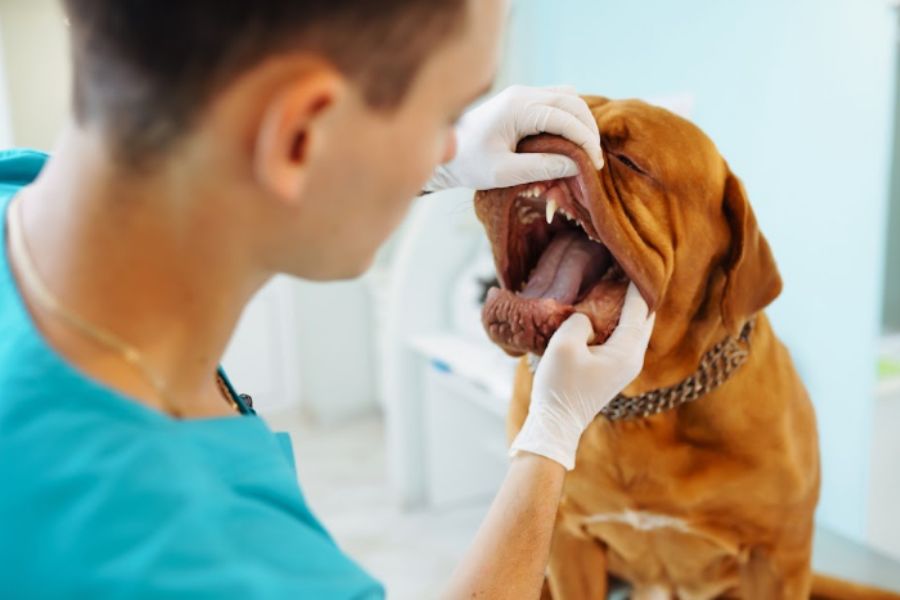
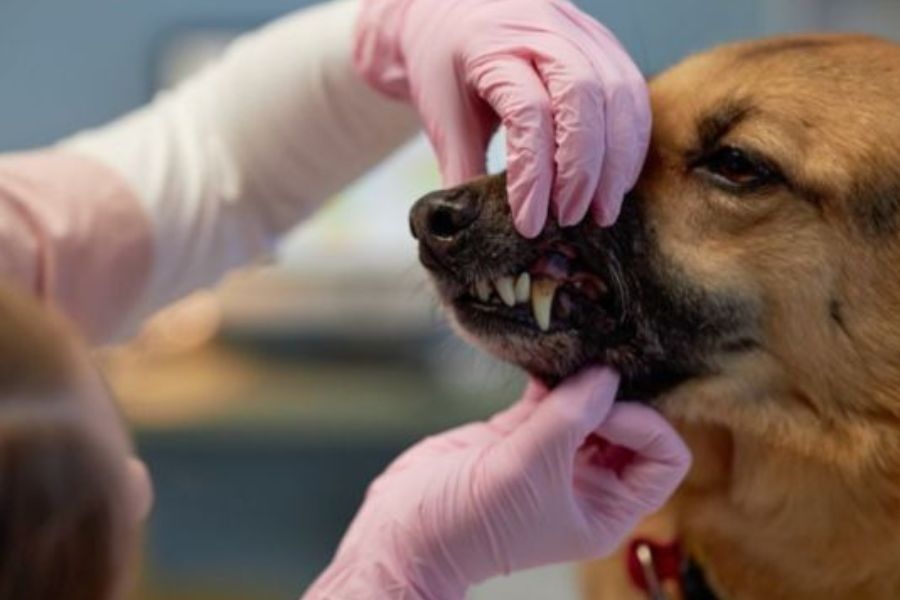
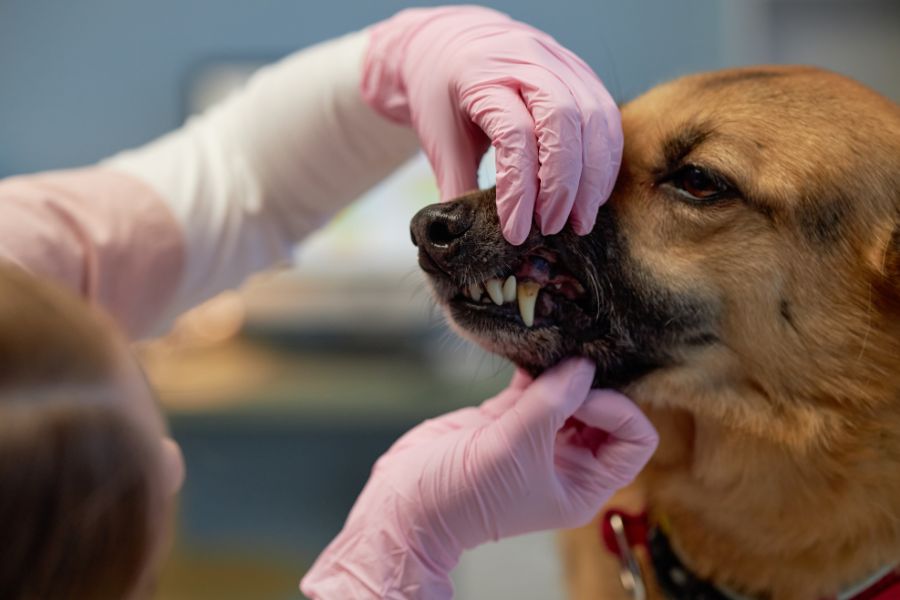
When was the last time you took a peek inside your pet’s mouth?
Check for:
- Red or swollen gums
- Brown or yellow tartar buildup
- Loose or missing teeth
- Bleeding from the gums
Even one of these symptoms could signal advanced dental disease.
6. Behavioral Shifts or Irritability
Dental pain can make our furry friends feel grumpy or even shy.
A normally playful pup may act lethargic or defensive. These personality changes are often mistaken for aging, but dental issues might be the true cause.
7. Swelling Around the Face or Jaw
Facial swelling is a serious sign. It could indicate an abscessed tooth or a spreading infection. This requires immediate attention from a vet. If you’re in the area, contact your local veterinarian in North Charleston for an urgent dental checkup.
Prevention Is Better Than a Cure: Don’t Wait for the Signs
Dental disease in pets is preventable with proper care. Here’s what you can do:
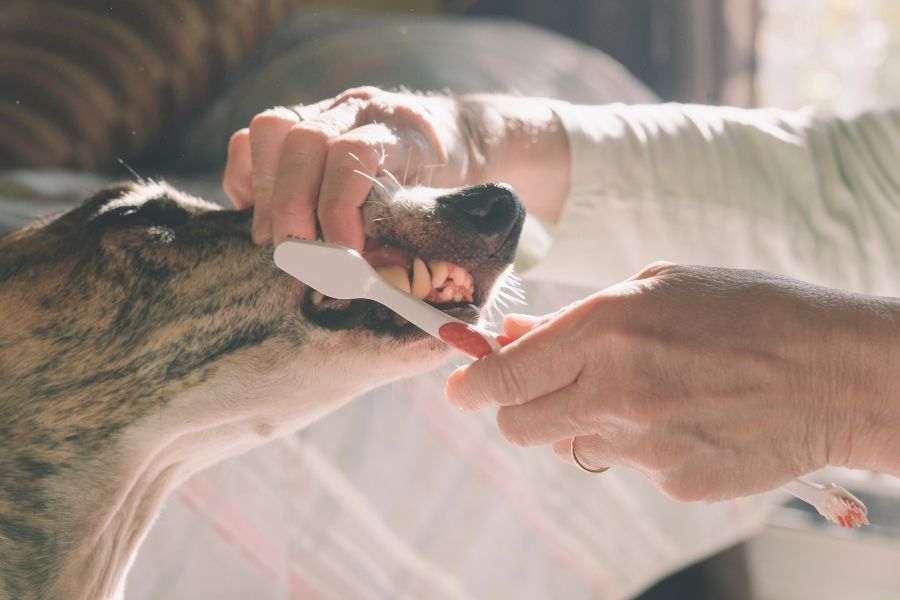
- Brush your pet’s teeth regularly
- Provide dental treats and toys
- Schedule annual dental exams
- Request dental cleanings as recommended
Routine exams are your best defense against silent suffering.
Your pet may not be able to tell you what hurts, but their body will show you—if you know what to look for. By recognizing the subtle signs of dental disease and taking preventive action, you’re giving your furry friend the gift of a healthier, pain-free life.
Don’t wait until it’s too late. If you notice any of the red flags mentioned above, consult your vet promptly. Your vet clinic in North Charleston, SC, can help you stay ahead of potential dental problems and ensure your pet’s smile stays bright and healthy.
FAQs About Dental Disease in Pets
1. How often should my pet have a dental checkup?
A: At least once a year. However, pets with existing dental issues may need more frequent visits.
2. Is bad breath normal in pets?
A: Occasional odor is okay, but persistent bad breath is a sign of underlying dental disease.
3. Can dental disease affect other parts of my pet’s body?
A: Yes. Untreated dental infections can spread to the heart, kidneys, and liver.
4. What are the safest dental products for pets?
A: Use vet-approved toothbrushes, enzymatic toothpaste, and dental chews. Avoid human toothpaste.
5. Will my pet need anesthesia for a dental cleaning?
A: Typically, yes. Anesthesia ensures a thorough cleaning and reduces stress for your pet.
6. My pet still eats—can they have dental pain?
A: Absolutely. Many pets continue eating despite severe dental discomfort because they have no other choice.