
New Clients Enjoy $40 OFF Their First Exam!*
Puppy Core Vaccines: What to Expect in the First Year


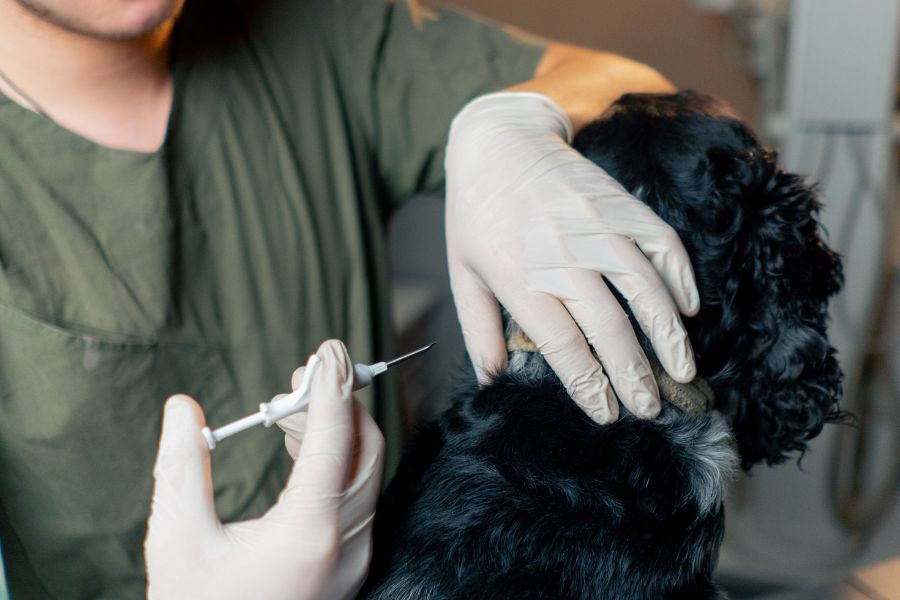
Bringing home a new puppy is exciting. Between training, feeding, and sleepless nights, there’s a lot to manage. One of the most important steps during the first year is protecting your puppy from serious diseases through vaccination.
If you’re wondering what core vaccines for puppies include, how often they’re given, and what your puppy may experience after an appointment, this guide walks you through it in plain language. You’ll know what to expect, why it matters, and how to make informed decisions for your dog’s health.
Why Vaccinations Matter in the First Year
Puppies are born with some temporary immunity passed from their mother. This protection fades over time, usually between 6 and 16 weeks of age. That gap leaves them vulnerable to contagious and life-threatening diseases.
Core vaccines for puppies are designed to protect against the most serious and widespread illnesses. These diseases spread easily in parks, grooming facilities, training classes, and even on sidewalks.
Vaccination is not just a requirement for boarding or travel. It’s a key part of responsible pet ownership and long-term health planning.
What Are Core Vaccines for Puppies?
Core vaccines are recommended for all puppies in the United States, regardless of breed, size, or lifestyle. These vaccines protect against diseases that:
- Are severe or fatal
- Spread easily
- Pose a risk to humans
- Are common across the country
The main core vaccines for puppies protect against:
1. Distemper
Caused by a virus that attacks the respiratory, digestive, and nervous systems. It can lead to seizures and death.
2. Parvovirus
A highly contagious virus that causes severe vomiting, diarrhea, and dehydration. It can be fatal, especially in young puppies.
3. Adenovirus (Hepatitis)
A virus that affects the liver and can cause fever, abdominal pain, and organ damage.
These three are often combined into one shot known as the DHPP vaccine.
4. Rabies
A fatal virus that affects the brain and nervous system. It can spread to humans. Rabies vaccination is required by law in most states.
These core vaccines for puppies create a foundation of protection during a critical growth period.
Puppy Vaccine Schedule: What to Expect Month by Month
Vaccinations are not given just once. Puppies need a series of shots to build strong immunity.
Here is a typical schedule used by many veterinarians in the U.S.:
6–8 Weeks Old
- First DHPP vaccine
Your puppy may receive their first dose during this visit. Your veterinarian will also perform a full physical exam and check for parasites.
10–12 Weeks Old
- Second DHPP vaccine
This booster strengthens the immune response. At this stage, your puppy is still vulnerable, so avoid high-risk dog areas.
14–16 Weeks Old
- Third DHPP vaccine
- First Rabies vaccine
This is often the final booster in the core vaccine series. After this round, most puppies have strong protection.
12 Months Old
- DHPP booster
- Rabies booster (depending on vaccine type)
After the first year, boosters are usually given every 1–3 years based on your veterinarian’s recommendation and state law.
Keep in mind that your veterinarian may adjust this schedule based on your puppy’s health, breed risk, or local disease patterns.
What Happens at a Vaccine Appointment?
Knowing what to expect can make the experience less stressful for both you and your puppy.
At each visit, your veterinarian will:
- Perform a nose-to-tail physical exam
- Check weight and growth
- Ask about eating, behavior, and training
- Review parasite prevention
- Discuss upcoming boosters
Vaccines are given as a small injection under the skin. The appointment is usually quick. Many puppies cry for a second and then move on.
This is also a great time to talk about long-term pet wellness care, including nutrition, dental health, and preventive screenings.
Are Side Effects Normal?
Most puppies handle core vaccines for puppies very well. Mild side effects can happen and usually resolve within 24–48 hours.
Common mild reactions include:
- Slight tiredness
- Mild soreness at the injection site
- Low-grade fever
- Reduced appetite
These signs are temporary. Your puppy may want extra rest, which is normal.
Call your veterinarian right away if you notice:
- Facial swelling
- Hives
- Vomiting
- Difficulty breathing
- Severe lethargy
Serious reactions are rare, but it’s important to monitor your puppy after each visit.
Why Multiple Boosters Are Necessary
Some owners ask why puppies need several rounds instead of one shot.
The reason is maternal antibodies. Puppies receive antibodies from their mother’s milk. While helpful early on, these antibodies can block vaccines from working properly.
Because we don’t know exactly when maternal immunity fades, veterinarians give a series of boosters. This ensures your puppy develops strong protection at the right time.
Skipping boosters leaves gaps in protection. That gap is when diseases like parvovirus can strike.
What Happens If You Miss a Vaccine?
Life gets busy. If you miss a scheduled appointment, call your veterinary clinic as soon as possible.
In some cases, your puppy may need to restart part of the series if too much time has passed. Your veterinarian will guide you based on your puppy’s age and vaccine history.
Staying on schedule helps avoid unnecessary repeat shots and ensures continuous protection.
Cost of Puppy Core Vaccines
Costs vary by region, clinic, and whether the visit includes additional services like deworming or microchipping.
On average in the United States:
- Each DHPP vaccine may range from $20 to $40
- Rabies vaccine may range from $15 to $30
- Exam fees may range from $50 to $100
Many clinics offer puppy packages that bundle exams, core vaccines for puppies, and routine testing at a reduced total cost.
While it may seem like an expense upfront, preventing serious disease is far less costly than emergency treatment for parvovirus or distemper.
When Is It Safe to Socialize Your Puppy?
This is one of the most common concerns for new dog owners.
Until your puppy completes the full core vaccines for puppies series, avoid:
- Dog parks
- Pet store floors
- Sidewalk areas heavily used by dogs
- Unknown dogs with unclear vaccine history
You can safely socialize your puppy in controlled settings:
- Puppy training classes that require vaccination
- Playdates with vaccinated adult dogs
- Carrying your puppy in public spaces
Balanced social exposure during the vaccine period is important for behavior development.
Core vs. Non-Core Vaccines
Core vaccines are recommended for all puppies.
Non-core vaccines depend on lifestyle and risk factors. These may include protection against:
- Bordetella (kennel cough)
- Leptospirosis
- Lyme disease
- Canine influenza
Your veterinarian will discuss these based on your region and your puppy’s activity level.
Always ask questions. A clear conversation helps you understand what your puppy truly needs.
Keeping Records Organized
After each appointment, you’ll receive documentation showing:
- Vaccine name
- Date administered
- Lot number
- Next due date
Keep both a digital and paper copy. Many boarding facilities, groomers, and training centers require proof of core vaccines for puppies before allowing entry.
Conclusion: Building a Strong Health Foundation
The first year of your puppy’s life shapes their future health. Core vaccines for puppies protect against dangerous diseases that are preventable with timely care.
Staying informed helps you feel confident during each visit. Ask questions. Understand the schedule. Monitor your puppy after appointments. Keep records organized.
Vaccination is not just a routine task. It’s a long-term investment in your dog’s safety and quality of life.
If you’re unsure about your puppy’s timeline or have concerns about reactions, talk with your veterinarian and schedule a consultation with The Animal Hospital of North Charleston to review your puppy’s needs and create a clear plan for the year ahead.
A protected puppy grows into a healthier, happier dog.
FAQs About Core Vaccines for Puppies
1. Are core vaccines required by law?
Rabies vaccination is legally required in most U.S. states. Other core vaccines are strongly recommended for health protection.
2. Can my puppy get sick from the vaccine?
Vaccines use modified or inactivated virus components. They do not cause the disease. Mild side effects are possible but short-lived.
3. Can small breeds follow the same vaccine schedule?
Yes. Core vaccines for puppies follow the same timing regardless of breed size.
4. What if my puppy were adopted from a shelter?
Ask for vaccine records. Your veterinarian will review them and continue the schedule if needed.
5. Do indoor puppies still need vaccines?
Yes. Viruses like parvovirus can be carried indoors on shoes or clothing.
6. How long do core vaccines last?
After the first-year booster, protection may last 1–3 years, depending on the vaccine and state guidelines.
Related Articles
