
New Clients Enjoy $40 OFF Their First Exam!*
How Holiday Changes Can Affect Your Dog or Cat’s Emotional Wellbeing


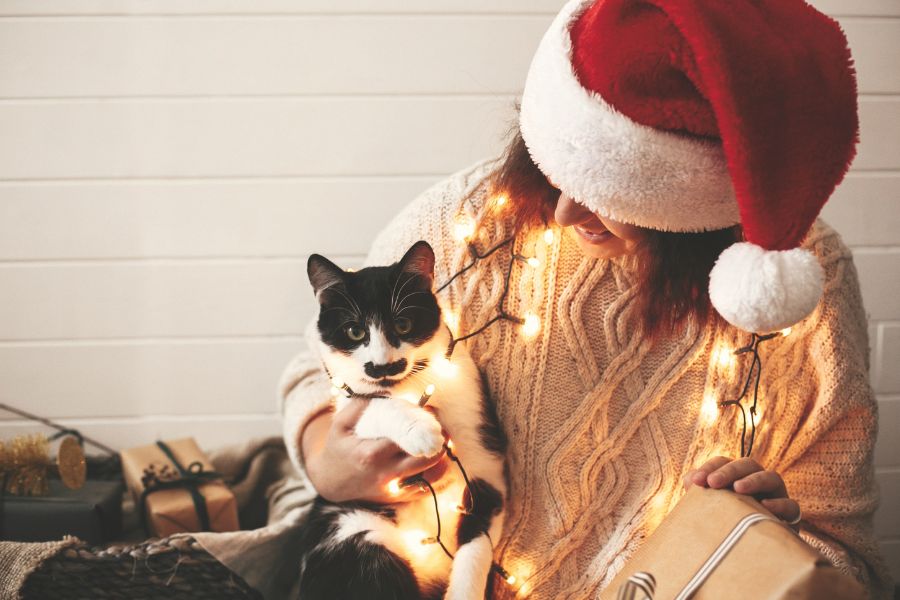
The holiday season is often associated with joy, decorations, gatherings, and celebrations. However, for pets, these sudden changes can feel overwhelming. During Christmas, routines are disrupted, homes become busier, and unfamiliar sights and sounds are introduced. As a result, stress responses may be triggered in both dogs and cats.
Holiday stress is often overlooked, yet it can affect a pet’s behavior, appetite, and overall health. By understanding common stress signs and taking proactive steps, discomfort can be reduced, and pet safety can be better supported throughout the festive season.
Why the Holiday Season Causes Stress in Pets
During Christmas, environmental changes are introduced quickly. Decorations are added, guests arrive, and schedules are altered. Consequently, pets may struggle to adapt. Dogs and cats thrive on routine, and when that routine is disrupted, stress may be experienced.
Additionally, loud noises, unfamiliar scents, and reduced quiet time may be perceived as threats. Therefore, stress responses may be expressed physically or behaviorally. For this reason, awareness of early warning signs is essential for maintaining pet safety.
Common Holiday Stress Signs in Dogs
In dogs, stress may be shown in subtle or obvious ways. While some signs are easily noticed, others may be mistaken for disobedience or excitement.
Behavioral Changes
- Excessive barking or whining may be observed
- Pacing or restlessness may be displayed
- Clinginess or withdrawal may be noticed
Physical Symptoms
- Trembling or shaking may occur
- Panting may be increased even without activity
- Digestive issues, such as diarrhea, may be triggered
Changes in Appetite
During stressful periods, meals may be skipped or eaten too quickly. Consequently, digestive upset may follow. Therefore, monitoring food intake is essential for pet safety during the holidays.
Common Holiday Stress Signs in Cats
Cats are especially sensitive to environmental changes. Because they rely heavily on familiarity, holiday disruptions may cause significant anxiety.
Behavioral Indicators
- Hiding for extended periods may be seen
- Aggression or irritability may be displayed
- Litter box avoidance may occur
Physical Reactions
- Excessive grooming may be triggered
- Vomiting or hairballs may increase
- Changes in sleep patterns may be noticed
Unlike dogs, cats often internalize stress. Therefore, signs may be subtle and easily missed. As a result, close observation is necessary to ensure pet safety.
Holiday Triggers That Increase Pet Stress
Several holiday-specific factors may contribute to stress in pets:
- Decorations: Flashing lights, ornaments, and Christmas trees may be perceived as unfamiliar threats
- Guests: Frequent visitors may invade a pet’s comfort zone
- Noise: Music, parties, and fireworks may cause fear
- Schedule changes: Feeding and walking routines may be disrupted
Because these triggers are temporary, stress is often short-term. However, if left unmanaged, long-term behavioral issues may develop. Therefore, proactive planning should be prioritized for pet safety.
How Holiday Stress Can Affect Pet Health
Stress not only affects behavior; physical health may also be impacted. When stress hormones remain elevated, immune function may be weakened. As a result, pets may become more susceptible to illness.
Additionally, chronic stress may worsen existing conditions such as arthritis, digestive disorders, or skin issues. Therefore, recognizing stress early is essential, and guidance from professionals may be helpful when symptoms persist.
Practical Tips to Reduce Holiday Stress in Pets
Fortunately, holiday stress can be managed with thoughtful planning. By maintaining structure and offering safe spaces, comfort can be restored.
1. Maintain Routine
Feeding, walking, and playtime schedules should be kept consistent whenever possible. As a result, a sense of normalcy is preserved, supporting pet safety.
2. Create a Quiet Retreat
A calm, designated area should be provided where pets can retreat from noise and activity. Soft bedding, familiar toys, and low lighting may help reduce anxiety.
3. Introduce Decorations Gradually
Decorations should be introduced slowly so pets can adjust. Additionally, cords and ornaments should be secured to prevent accidents, further enhancing pet safety.
4. Monitor Guest Interactions
Pets should not be forced to interact with visitors. Instead, boundaries should be respected to reduce stress.
5. Provide Mental Stimulation
Puzzle toys and enrichment activities may help redirect nervous energy. Consequently, stress levels may be reduced positively.
When to Seek Professional Help
If stress signs persist beyond the holiday season or worsen over time, professional guidance should be considered. Behavioral consultations or medical evaluations may be recommended to rule out underlying health concerns.
Early intervention is beneficial, as long-term anxiety may lead to chronic issues if left untreated. Therefore, prioritizing emotional well-being is an essential part of pet safety.
The holiday season should be enjoyable for everyone, including pets. While Christmas brings excitement, it also introduces challenges that may affect dogs and cats differently. By recognizing stress signs early and implementing preventive strategies, discomfort can be minimized.
Create a calm and secure holiday experience for your pet by prioritizing routine, comfort, and safety. To support your pet’s emotional well-being throughout the season, contact us today for personalized guidance and care.
Frequently Asked Questions (FAQs):
1. How long does holiday stress last in pets?
A: Holiday stress is usually temporary and may last a few days to a few weeks. However, duration depends on the pet’s temperament and how well stressors are managed.
2. Can holiday stress make pets sick?
A: Yes, prolonged stress may weaken the immune system, making pets more vulnerable to illness. Therefore, stress management is important for overall health and pet safety.
3. Should pets be kept away from holiday guests?
A: If a pet appears uncomfortable, space should be provided. Forced interactions may increase anxiety rather than reduce it.
4. Are cats more stressed during holidays than dogs?
A: Cats are generally more sensitive to environmental changes. As a result, stress signs may be more subtle but still significant.
5. When should a vet be consulted for holiday stress?
A: If symptoms persist, worsen, or include aggression, appetite loss, or illness, professional advice should be sought promptly.
Related Articles
