New Clients Enjoy $40 OFF Their First Exam!*
How to Create a Safe Space for Anxious Pets During Fireworks


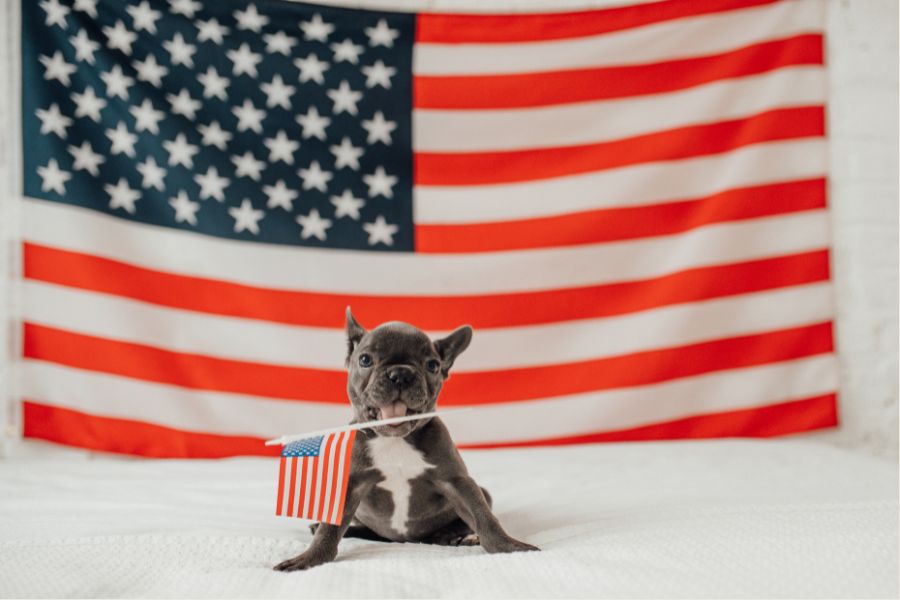
Fireworks are a favorite part of Fourth of July celebrations, yet they can be frightening for many dogs and cats. Loud sounds, flashing lights, and unexpected bursts often leave pets feeling nervous or overwhelmed. This guide explains how to prepare your home, build a comforting environment, recognize signs of stress, and support your companion before, during, and after the festivities.
Small changes can make a meaningful difference in your pet’s comfort and confidence throughout the holiday. Families looking for dependable pet care in North Charleston can also benefit from planning before celebrations begin.
Why Fireworks Cause Anxiety in Pets
Many pets hear sounds at much higher levels than people. Fireworks create loud booms that seem sudden and unpredictable. Bright flashes and unfamiliar smells may increase fear. Some pets hide under furniture, while others pace, shake, bark, or try to escape.
Every pet responds differently. Age, personality, previous experiences, and surroundings all play a role. Understanding these reactions helps owners provide better support instead of waiting until anxiety becomes severe.
Prepare a Safe Space Before Fireworks Begin
Planning gives your pet time to settle before the evening becomes noisy.
1. Choose a Quiet Room
Pick an interior room with limited windows. Bedrooms, closets, or finished basements often reduce outside sounds. Close curtains and blinds to block flashing lights.
2. Add Familiar Comforts
Place your pet’s favorite bed, blankets, toys, and water bowl inside the room. Familiar scents create a stronger feeling of security. A favorite chew toy or puzzle feeder may also keep attention focused indoors.
3. Reduce Outside Noise
Turn on calming music, a fan, or white noise to soften firework sounds. Background noise creates a more peaceful atmosphere without completely masking household sounds.
Keep Your Pet Calm Throughout the Celebration
Daily routines provide comfort during stressful situations. Feed meals at the usual times and allow regular bathroom breaks before fireworks begin.
Offer gentle attention if your pet seeks reassurance. Stay relaxed because pets often notice changes in their owner’s behavior. Sitting together quietly can help many animals feel safer.
Avoid punishment if your pet shows fear. Anxiety is not disobedience. Calm encouragement builds trust and supports emotional recovery.
Prevent Dangerous Escape Attempts
Fireworks cause thousands of pets to run away every year. Keeping your companion safely indoors is one of the most important Fourth of July pet safety steps.
Check doors, gates, and windows before celebrations start. Ask family members to avoid leaving entrances open. Confirm that your pet wears a collar with current identification tags. Microchip information should also remain updated in case your pet becomes lost.
Exercise dogs earlier in the day. A long walk or active play session helps release energy before fireworks begin.
Helpful Calming Ideas for Anxious Pets
Different pets respond to different forms of comfort. Try several gentle approaches to discover what works best.
1. Create Positive Distractions
Food puzzles, frozen treats, or favorite games keep some pets mentally engaged. Begin these activities before the fireworks become loud.
2. Use Comforting Touch
Many pets enjoy quiet petting or sitting beside trusted family members. Respect your pet’s preferences. Some animals prefer hiding quietly instead of receiving extra attention.
3. Consider Calming Products
Calming wraps, pheromone diffusers, or natural supplements may help certain pets feel more relaxed. Discuss new products with your trusted pet care provider before using them.
Watch for Signs Your Pet Needs Extra Help
Some anxiety goes beyond temporary nervousness. Watch for heavy panting, drooling, nonstop pacing, destructive behavior, repeated attempts to escape, refusal to eat, or hiding for extended periods.
Pets showing intense fear every holiday may benefit from personalized guidance before the next celebration. Early planning often creates a more comfortable experience for both pets and owners.
Conclusion
Helping your pet through Fourth of July fireworks begins with preparation, patience, and understanding. A quiet room, familiar belongings, steady routines, and close supervision create a safer environment during loud celebrations. Every pet deserves comfort when unexpected noises become overwhelming.
If your companion struggles each holiday, book an appointment to discuss practical support options tailored to your pet’s needs. If you’re located in North Charleston, consider reaching out to Animal Hospital of North Charleston, where compassionate care and a strong community focus come together to support your pet’s health and well-being.
Frequently Asked Questions(FAQs):
1. Why are fireworks so scary for pets?
A: Dogs and cats have much more sensitive hearing than humans. Loud explosions, flashing lights, unfamiliar smells, and unpredictable noises can trigger fear, making pets hide, shake, pace, bark excessively, or attempt to escape during Fourth of July celebrations.
2. When should I prepare my pet’s safe space?
A: Prepare the room several hours before fireworks begin. Allow your pet to explore the area naturally while everything remains quiet. Early preparation helps your companion associate the space with comfort instead of stressful holiday noises.
3. Should I stay with my anxious pet during fireworks?
A: Yes, if your pet finds comfort in your presence. Remain calm, speak softly, and avoid forcing interaction. Some pets prefer quiet companionship, while others feel safer resting alone in their secure space until celebrations end.
4. Can I walk my dog while fireworks are happening?
A: Avoid walking during active fireworks whenever possible. Exercise your dog earlier in the day and provide bathroom breaks before evening celebrations. Keeping pets indoors greatly reduces the risk of panic-related escape or injury.
5. Are calming products helpful for nervous pets?
A: Many pets benefit from calming wraps, pheromone diffusers, or selected natural calming products. Results vary between animals. Speak with your pet care provider before introducing any new calming solution to ensure it fits your pet’s needs.
6. When should I seek professional help for firework anxiety?
A: Seek professional guidance if your pet experiences severe panic, repeated escape attempts, destructive behavior, prolonged hiding, or refuses food during fireworks. Early support can improve future holiday experiences and reduce anxiety over time.