New Clients Enjoy $40 OFF Their First Exam!*
Moldy Pumpkins, Gourds, and Corn Stalks: Autumn Decor Hazards for Pets


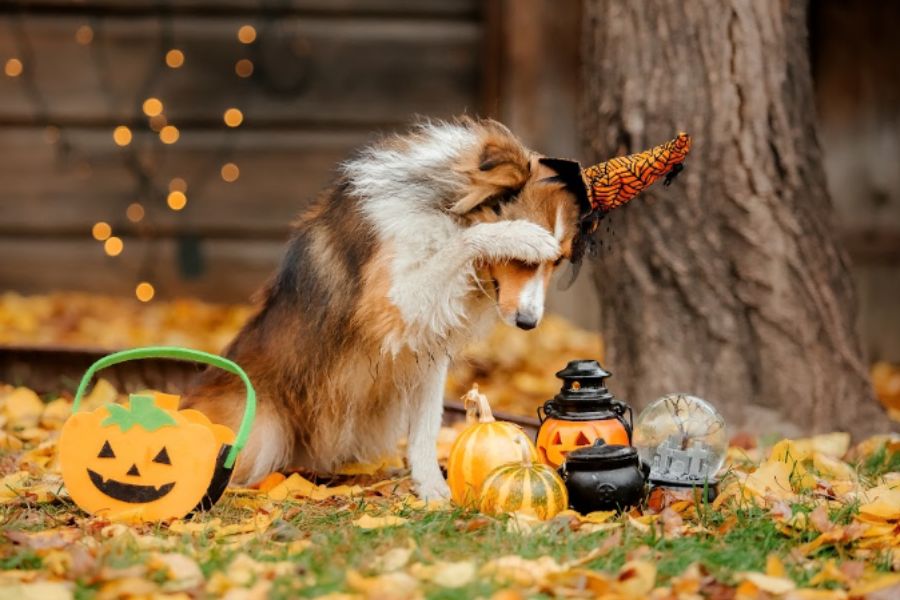
Fall decorations bring warmth and color to porches, patios, and living spaces. Pumpkins, decorative gourds, and dried corn stalks are popular choices, but they can become dangerous when curious pets start sniffing, chewing, or eating them. As these decorations age, moisture and decay can create conditions for mold growth, potentially exposing dogs and cats to harmful substances.
Many pet owners don’t realize that a pumpkin sitting outside for several weeks could become a health concern. Even decorations that look harmless may contain mold beneath the surface or pieces small enough to cause choking or intestinal problems.
Knowing what makes these seasonal decorations dangerous can help you protect your pet throughout autumn. Our vets want pet owners in North Charleston to recognize the warning signs, understand when veterinary attention is necessary, and make safer choices when decorating their homes.
Why Can Moldy Fall Decorations Be Dangerous for Pets?
Pumpkins, gourds, and corn stalks naturally break down over time. Warm temperatures, rain, and humidity can speed up this process, particularly when decorations remain outdoors.
As plant material decomposes, mold may develop on the surface or inside the decoration. Some molds produce substances called mycotoxins, which can cause serious illness when pets ingest contaminated material.
Not every mold produces dangerous toxins, but pet owners cannot identify toxic mold by appearance alone.
Potential health concerns include:
- Mold toxin exposure: Certain molds can produce toxins that affect the nervous system, causing tremors, seizures, or other serious symptoms.
- Digestive irritation: Eating spoiled plant material can cause vomiting, diarrhea, and abdominal discomfort.
- Intestinal blockage: Large pieces of pumpkin rind, hard gourds, or fibrous corn stalks may become lodged in the digestive tract.
- Choking hazards: Tough stems and broken decorative pieces can become stuck in a pet’s throat.
- Exposure to other contaminants: Outdoor decorations may collect pesticides, fertilizers, or other substances that could harm pets.
The level of risk depends on what your pet swallowed, how much was consumed, and whether mold toxins were present.
Are Moldy Pumpkins Toxic to Dogs and Cats?
Fresh, plain pumpkin is generally safe for dogs and cats in appropriate amounts. However, a decorative pumpkin that has started rotting is a different matter.
Once a pumpkin becomes soft, develops mold, or produces an unpleasant odor, it should no longer be accessible to pets.
What Happens if a Dog Eats a Moldy Pumpkin?
A dog that eats moldy pumpkin may develop digestive symptoms or signs of mycotoxin poisoning.
Possible symptoms include:
- Vomiting or diarrhea
- Excessive drooling
- Restlessness or unusual agitation
- Muscle tremors or twitching
- Difficulty walking or maintaining balance
- Elevated body temperature
- Seizures in severe cases
Some mold toxins can cause neurological symptoms within a short period after ingestion.
If your dog eats a moldy pumpkin, contact a veterinarian immediately, even if symptoms haven’t appeared.
Can Cats Get Sick From Moldy Pumpkins?
Yes. Cats can also become ill after ingesting moldy plant material.
Although cats may be less likely than dogs to eat large pieces of decorations, they can still chew pumpkin stems, lick decaying surfaces, or swallow small fragments.
Vomiting, drooling, weakness, tremors, or sudden behavioral changes after possible exposure require prompt veterinary attention.
Are Decorative Gourds Safe for Pets?
Decorative gourds may look similar to edible squash, but they should not be treated as pet food.
Some ornamental gourds contain naturally occurring bitter compounds called cucurbitacins. These substances can irritate the digestive tract and cause illness when consumed.
Hard gourds also create physical hazards because their tough shells can break into pieces that are difficult to digest.
Pets that chew or swallow decorative gourds may develop:
- Vomiting or diarrhea
- Abdominal pain
- Reduced appetite
- Difficulty passing stool
- Intestinal obstruction
A pet that repeatedly vomits, refuses food, or appears uncomfortable after swallowing gourd pieces should be examined promptly.
Can Corn Stalks and Fall Corn Decorations Harm Pets?
Dried corn stalks are common in autumn displays, particularly around front doors and outdoor seating areas. While corn stalks aren’t generally considered poisonous on their own, their fibrous texture makes them difficult for pets to digest.
Chewing or swallowing large pieces can irritate the digestive tract or contribute to an intestinal blockage. Corn cobs are especially concerning because they can become lodged in a dog’s intestines and may require surgery.
What About Mold on Corn Stalks?
Corn stalks exposed to moisture can develop mold as they deteriorate.
Some mold-contaminated plant materials may contain harmful mycotoxins. However, the presence and type of toxins cannot be determined simply by looking at the stalks.
If your pet eats moldy corn decorations, contact our vets for guidance rather than waiting for visible symptoms.
What Symptoms Should You Watch for After Your Pet Eats Fall Decorations?
The symptoms of decoration-related illness depend on whether your pet has been exposed to mold toxins, experienced digestive irritation, or swallowed material that could cause an intestinal blockage. Watch for the following warning signs:
Vomiting or Diarrhea
Eating moldy pumpkins, rotten gourds, or contaminated corn stalks can irritate your pet’s digestive system. Vomiting and diarrhea may indicate gastrointestinal irritation, toxin exposure, or an intestinal obstruction.
Excessive Drooling
Sudden or unusual drooling may indicate nausea or irritation inside your pet’s mouth. This can happen after chewing spoiled plant material or certain decorative gourds.
Tremors or Muscle Twitching
Some molds produce toxins that affect the nervous system. If your pet develops shaking, muscle twitching, or uncontrolled movements after eating moldy decorations, seek emergency veterinary attention immediately.
Stumbling or Loss of Coordination
A pet that suddenly struggles to walk, loses balance, or appears disoriented may be experiencing neurological effects from toxin exposure. These symptoms require immediate veterinary evaluation.
Abdominal Pain or Bloating
Swallowing large pieces of pumpkin rind, hard gourds, or fibrous corn stalks can cause digestive discomfort or an intestinal obstruction. Your pet may appear restless, develop a swollen abdomen, or react painfully when touched.
Repeated Vomiting and Loss of Appetite
Persistent vomiting, especially when accompanied by reduced appetite or lethargy, may indicate an intestinal blockage. Swallowed corn cobs and large pieces of decorative plant material are particularly concerning.
Seizures or Collapse
Seizures, sudden collapse, or severe weakness may indicate serious poisoning or another life-threatening condition. These symptoms require immediate emergency veterinary care.
These warning signs can have several causes, and their severity may vary. A veterinary examination can help identify the underlying problem and determine appropriate treatment. If your pet develops seizures, severe tremors, collapse, or breathing difficulties, seek emergency care immediately.
What Should You Do if Your Pet Eats a Moldy Pumpkin or Gourd?
If you discover that your dog or cat has eaten part of a decaying decoration, act promptly.
Remove Access to the Decoration
Move your pet away from the pumpkin, gourd, or corn stalk to prevent additional exposure. Keep other pets away from the same material.
Identify What Your Pet Ate
Try to determine which decoration was involved and approximately how much your pet swallowed. If possible, take a photograph or safely save a small sample in a sealed container for your veterinarian.
Contact Your Veterinarian Immediately
Don’t wait for vomiting, tremors, or other symptoms to develop. Explain what your pet consumed, when the exposure occurred, and whether the decoration appeared moldy.
Avoid Home Remedies
Do not induce vomiting or give medications, activated charcoal, or home treatments unless your veterinarian specifically instructs you to do so. Certain treatments may be unsafe depending on your pet’s condition.
Follow Veterinary Instructions
Your veterinarian may recommend an examination, monitoring, diagnostic testing, or treatment based on the suspected exposure. Treatment for mold toxin exposure may involve controlling neurological symptoms, administering intravenous fluids, and providing supportive care. If an intestinal obstruction is suspected, imaging and additional treatment may be necessary.
How Can You Keep Fall Decorations Safe Around Pets?
You don’t need to avoid autumn decorations entirely. A few precautions can reduce the chance of accidental ingestion.
Inspect Pumpkins and Gourds Regularly
Check decorative produce for soft spots, visible mold, leaking fluid, or unpleasant odors. Discard decorations as soon as they begin deteriorating.
Keep Decorations Beyond Your Pet’s Reach
Place pumpkins and gourds on sturdy shelves or surfaces that your pets cannot access. Remember that some dogs can knock decorations over, while cats may climb onto elevated surfaces.
Avoid Loose Corn Cobs and Small Gourds
Small decorative items can become choking hazards or cause intestinal blockages. Keep dried corn arrangements secured and away from pets that enjoy chewing.
Clean Outdoor Display Areas
Remove fallen plant pieces, seeds, and decaying material from porches and yards. Regular cleanup is especially important after rain.
Consider Pet-Safer Alternatives
Artificial pumpkins made from durable, non-toxic materials may be a practical alternative, provided they don’t have detachable parts. Avoid decorations with exposed wires, loose batteries, sharp edges, or pieces that pets could swallow. No decoration is completely pet-proof, so supervision remains important.
When Should You Seek Urgent Veterinary Care?
Any suspected ingestion of moldy plant material deserves a prompt call to a veterinarian because certain mycotoxins can cause serious symptoms rapidly. Immediate emergency care is necessary if your pet develops seizures, significant tremors, collapse, or difficulty breathing.
Persistent vomiting, abdominal pain, or suspected ingestion of a corn cob also requires urgent evaluation. For pet owners in North Charleston, our walk-in urgent care for pets can address time-sensitive health concerns when an immediate care examination is appropriate.
Our vets can assess your pet’s symptoms, review the possible exposure, and recommend the next steps. Call before visiting so we can help determine whether your pet should come to our practice or go directly to an emergency facility.
Keep Autumn Celebrations Safe for Your Pets
Autumn decorations can make your home feel welcoming, but aging pumpkins, moldy gourds, and dried corn stalks may create unexpected risks for curious pets. Recognizing these hazards early can help prevent accidental ingestion and serious health problems. Even careful pet owners can face unexpected situations. What matters is knowing when a concern needs veterinary attention and taking action before symptoms become severe.
At our veterinary practice, we understand how concerning it can be when your pet eats something potentially harmful. Our vets are here to help you understand the risks, evaluate concerning symptoms, and make informed decisions about your pet’s care.
If your dog or cat has chewed or swallowed moldy fall decorations, don’t wait for symptoms to appear. Contact our veterinary practice in North Charleston for prompt guidance. Our team can help determine the next steps and whether your pet needs urgent veterinary attention.
Concerned About Something Your Pet Ate? Contact Our Veterinary Team Today!
Frequently Asked Questions(FAQs):
1. Can a Small Amount of Moldy Pumpkin Make My Dog Sick?
A: Yes. Even a small amount of moldy pumpkin may be dangerous if it contains harmful mycotoxins. The amount needed to cause illness varies, and symptoms cannot be predicted from the quantity eaten alone. Contact your veterinarian immediately after suspected ingestion.
2. How Quickly Can Symptoms Appear After a Pet Eats Moldy Decorations?
A: Some mold toxins can cause symptoms within one to two hours, although the timing varies. Digestive symptoms or signs of intestinal obstruction may develop later. Never wait for symptoms before seeking veterinary advice.
3. Is It Safe to Leave Pumpkins Outside in North Charleston During Fall?
A: Pumpkins can remain outdoors while they are fresh and intact, but warm, humid conditions may encourage decay. At Animal Hospital of North Charleston, our vets encourage pet owners to inspect outdoor decorations frequently and remove any that show signs of mold or deterioration.
4. Can Corn Stalks Cause an Intestinal Blockage in Dogs?
A: Yes. Large pieces of fibrous corn stalks may contribute to an intestinal blockage, and swallowed corn cobs are particularly dangerous. Warning signs include repeated vomiting, abdominal discomfort, and loss of appetite. Suspected obstruction requires prompt veterinary evaluation.
5. Can Animal Hospital of North Charleston Help if My Dog Eats a Moldy Gourd?
A: Yes. Animal Hospital of North Charleston provides urgent veterinary care for pets with time-sensitive health concerns. Our vets can evaluate your dog’s symptoms, assess the risk of toxin exposure or intestinal obstruction, and recommend appropriate care. Contact our team promptly if your dog eats a moldy gourd.
6. Where Can I Take My Pet in North Charleston After Eating Rotten Fall Decorations?
A: If your pet eats a rotten pumpkin, gourd, or corn decoration, contact Animal Hospital of North Charleston for guidance. Our veterinary team can help assess the situation and advise whether an urgent examination or immediate emergency treatment is needed. Severe neurological symptoms or collapse require emergency care without delay.
Related Articles

