New Clients Enjoy $40 OFF Their First Exam!*
IVDD in Dogs: How Physical Rehabilitation Supports Recovery After Disc Disease


Intervertebral Disc Disease (IVDD) is one of the most common spinal conditions affecting dogs. It can cause pain, weakness, mobility issues, and, in severe cases, paralysis. While medical treatment or surgery addresses the damaged disc, recovery often depends on what happens afterward. Physical rehabilitation plays a major role in helping dogs regain strength, improve movement, manage discomfort, and return to daily activities safely.
This guide explains what IVDD is, common symptoms, treatment options, recovery timelines, and how rehabilitation supports healing. You will also learn practical ways to help your dog during recovery and understand why a customized rehabilitation plan can improve long-term outcomes.
What Is IVDD in Dogs?
IVDD occurs when one or more discs between the vertebrae of the spine become damaged or displaced. These discs act as cushions that absorb shock and allow flexibility. When a disc bulges or ruptures, it can place pressure on the spinal cord and nearby nerves.
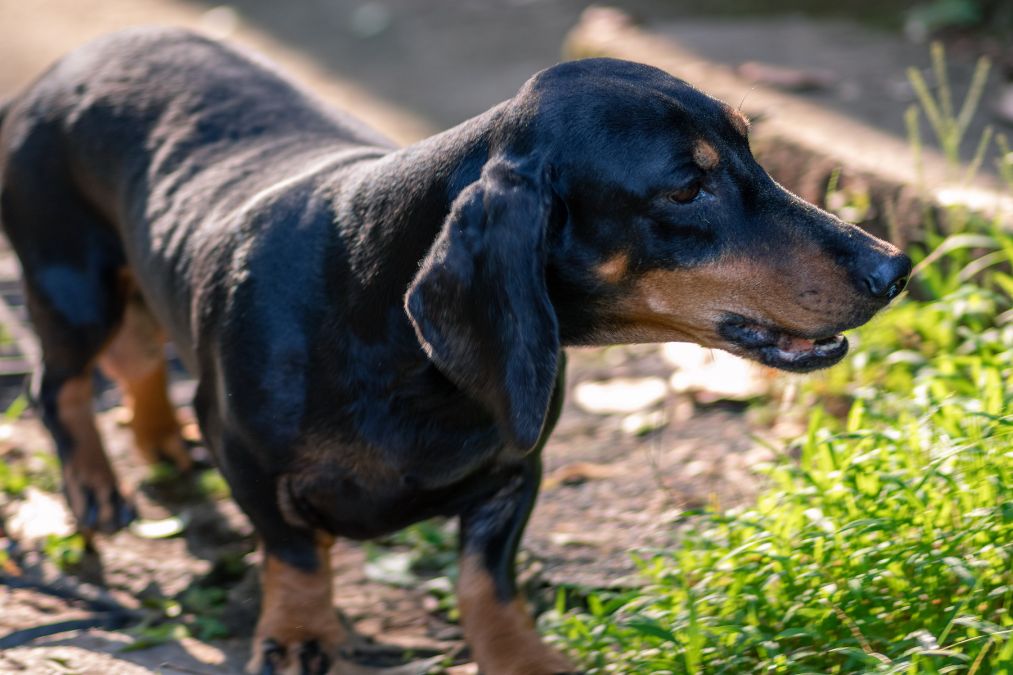
The condition can develop suddenly or progress gradually over time. Certain breeds are more prone to IVDD, including Dachshunds, Beagles, French Bulldogs, Cocker Spaniels, and Shih Tzus. Aging, excess weight, and repetitive strain may also increase the risk.
Common Signs of IVDD
Recognizing symptoms early can help prevent further spinal damage and improve recovery outcomes.
Signs to Watch For
- Neck or back pain
- Reluctance to jump or climb stairs
- Difficulty standing or walking
- Weakness in the hind legs
- Dragging of the feet
- Loss of coordination
- Trembling or muscle spasms
- Changes in bladder or bowel control
- Partial or complete paralysis
Some dogs show only mild discomfort at first, while others experience sudden mobility loss. Prompt evaluation is important whenever spinal problems are suspected.
Understanding IVDD Treatment Options
Treatment depends on the severity of the condition, the location of the affected disc, and the dog’s neurological status.
1. Conservative Management
Mild cases may respond to:
- Strict rest
- Anti-inflammatory medications
- Pain management
- Activity restrictions
- Physical rehabilitation
2. Surgical Treatment
Surgery is often recommended when spinal cord compression is significant or when neurological deficits worsen. Surgical procedures relieve pressure on the spinal cord and create the best opportunity for recovery.
Regardless of the treatment approach, rehabilitation remains a valuable part of the healing process.
Why Physical Rehabilitation Matters After IVDD
Many pet owners focus on surgery or medications and overlook rehabilitation. Recovery involves more than healing the damaged disc. Muscles weaken during inactivity, balance declines, and normal movement patterns may be lost.
Physical rehabilitation addresses these challenges through structured exercises and therapeutic techniques designed to restore function.
Benefits include:
- Improved mobility
- Increased muscle strength
- Reduced pain and stiffness
- Better balance and coordination
- Enhanced flexibility
- Faster recovery progression
- Greater confidence during movement
- Reduced risk of secondary injuries
Dogs recovering from IVDD often experience better outcomes when rehabilitation is incorporated into their treatment plan.
Key Components of IVDD Rehabilitation
Every recovery program should be tailored to the dog’s condition, age, and abilities.
1. Therapeutic Exercises
Controlled exercises help rebuild muscle strength and improve coordination. These activities may include weight-shifting exercises, assisted standing, balance training, and guided walking routines.
Progression occurs gradually to avoid overloading the healing spine.
2. Hydrotherapy
Water-based therapy is frequently used for IVDD recovery. The buoyancy of water reduces stress on joints and the spine while allowing dogs to move more comfortably.
Hydrotherapy can help:
- Improve muscle development
- Increase endurance
- Enhance range of motion
- Support gait retraining
3. Range-of-Motion Therapy
Gentle movement of the limbs helps maintain joint flexibility and prevents stiffness during periods of limited activity.
These exercises are especially beneficial for dogs with reduced mobility.
4. Pain Management Techniques
Rehabilitation programs may incorporate therapeutic modalities that support comfort and healing. Reduced discomfort encourages movement and participation in recovery activities.
5. Gait Training
Some dogs need assistance relearning normal walking patterns after nerve or spinal injury. Gait training focuses on improving coordination, foot placement, and balance.
Recovery Timeline for Dogs With IVDD
Recovery varies significantly among patients. Factors influencing progress include the severity of spinal cord compression, treatment timing, age, and overall health.
1. Early Recovery Phase
The first few weeks focus on protecting the spine, managing pain, and preventing complications.
2. Intermediate Recovery Phase
Strength-building exercises and mobility work become more prominent. Many dogs begin showing noticeable improvements during this stage.
3. Long-Term Recovery
Some dogs recover within weeks, while others require several months of rehabilitation. Continued exercises may help maintain strength and mobility long after formal treatment ends.
Patience is essential throughout the process.
Supporting Your Dog at Home
Home care plays a critical role in successful IVDD recovery.
Helpful strategies include:
- Following activity restrictions carefully
- Using supportive harnesses when needed
- Preventing jumping on furniture
- Creating non-slip walking surfaces
- Maintaining a healthy weight
- Completing prescribed home exercises
- Monitoring for changes in mobility
Regular checkups and ongoing pet wellness care can help identify concerns early and support your dog’s overall health during recovery.
Can Dogs Fully Recover From IVDD?
Many dogs experience significant improvement following treatment and rehabilitation. Recovery outcomes depend on how quickly treatment begins, the severity of neurological impairment, and commitment to the rehabilitation plan.
Some dogs regain normal mobility, while others may retain mild deficits. Even dogs with serious spinal injuries can often achieve meaningful improvements in comfort, independence, and quality of life when given appropriate support.
Preventing Future IVDD Problems
Although IVDD cannot always be prevented, several measures may reduce the risk of recurrence.
Prevention Tips
- Maintain an ideal body weight
- Provide regular low-impact exercise
- Limit repetitive jumping
- Use ramps for furniture and vehicles
- Strengthen core muscles through guided activities
- Schedule routine health evaluations
Preventive care and early intervention remain important for protecting spinal health throughout a dog’s life.
Conclusion
IVDD can be a frightening diagnosis for pet owners, but recovery is often possible with the right combination of treatment and rehabilitation. Physical rehabilitation helps dogs rebuild strength, restore mobility, improve coordination, and regain confidence after disc disease. Whether your dog receives conservative treatment or surgery, a structured rehabilitation plan can make a meaningful difference in long-term recovery and quality of life. Early recognition, consistent home care, and ongoing support provide the foundation for the best possible outcome.
Frequently Asked Questions(FAQs):
1. What is the success rate of rehabilitation for dogs with IVDD?
A: Many dogs benefit significantly from rehabilitation. Success depends on injury severity, treatment timing, and consistency with therapy. Rehabilitation often improves mobility, strength, comfort, and overall recovery outcomes following IVDD treatment.
2. How soon should rehabilitation begin after IVDD treatment?
A: The timing varies depending on the dog’s condition and treatment plan. Many rehabilitation programs start shortly after medical stabilization or surgery under professional guidance to promote safe healing and recovery.
3. Can a dog recover from IVDD without surgery?
A: Some mild to moderate cases improve with rest, medication, and rehabilitation. Dogs with severe neurological deficits or significant spinal cord compression may require surgery for the best chance of recovery.
4. Is hydrotherapy safe for dogs recovering from IVDD?
A: Hydrotherapy is commonly used during IVDD recovery. Water supports the body, reduces strain on the spine, and allows controlled exercise that can improve strength, endurance, and mobility.
5. How long does IVDD recovery usually take?
A: Recovery timelines vary widely. Some dogs improve within several weeks, while others require months of rehabilitation. Factors include injury severity, overall health, age, and adherence to the treatment plan.
6. Can IVDD return after recovery?
A: Yes, recurrence is possible. Maintaining a healthy weight, limiting high-impact activities, following exercise recommendations, and attending routine health evaluations may help reduce the risk of future spinal issues.