
New Clients Enjoy $40 OFF Their First Exam!*
What Happens During a Comprehensive Wellness Exam vs. a Basic Checkup


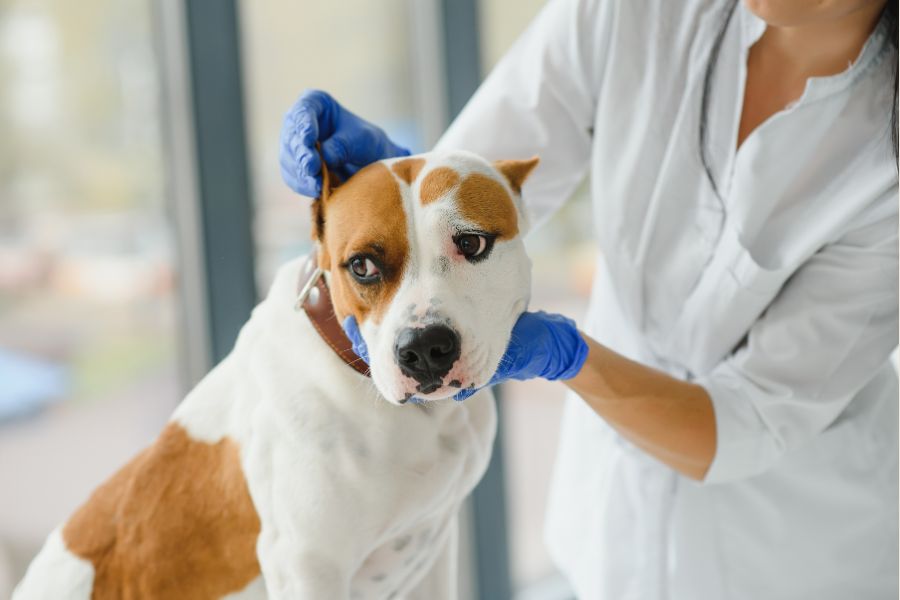
When it comes to keeping your pet healthy, not all veterinary visits are created equal. A basic checkup and a comprehensive wellness exam might sound similar, but they serve very different purposes. Understanding the difference can help you make smarter decisions about your pet’s care—and potentially catch health issues before they become serious.
This blog breaks down exactly what each visit involves, why the distinction matters, and how to know which one your pet actually needs.
What Is a Basic Checkup?
A basic checkup is a shorter, more focused visit. It typically covers the essentials: a physical exam, weight check, and a review of any immediate concerns you’ve noticed. The veterinarian will listen to your pet’s heart and lungs, check for obvious signs of discomfort, and may update a vaccine or two.
Basic checkups are useful for:
- Annual vaccine boosters
- Quick follow-ups after a minor illness
- Checking on a specific symptom or injury
- Routine weight monitoring
These visits are generally faster and more affordable, making them a good fit when your pet appears healthy and you’re not expecting complex findings.
What a Basic Visit Typically Includes
- Weight and temperature check
- Heart and lung auscultation
- Visual inspection of eyes, ears, and coat
- Core vaccine administration is due
- A brief conversation about diet or behavior
While valuable, a basic checkup doesn’t go deep. It’s a snapshot, not a full picture.
What Is a Comprehensive Wellness Exam?
A comprehensive wellness exam is a thorough, head-to-tail evaluation of your pet’s overall health. It goes far beyond checking vitals. The goal is to assess every body system, identify risk factors, and create a personalized preventive health plan.
This type of exam is especially important for:
- Puppies and kittens establishing baseline health
- Senior pets who need closer monitoring
- Pets with chronic conditions or breed-specific risks
- Animals that haven’t been seen in over a year
What a Comprehensive Exam Typically Includes
- Full Physical Assessment The veterinarian examines lymph nodes, joints, abdomen, skin, teeth, and neurological reflexes—areas that a quick checkup may not fully evaluate.
- Bloodwork and Urinalysis Lab panels reveal what can’t be seen on the surface: kidney function, liver health, blood cell counts, thyroid levels, and early signs of diabetes. These tests are foundational to catching disease early.
- Parasite Screening: A fecal test checks for internal parasites like roundworms, hookworms, and Giardia. Many pets carry parasites without visible symptoms.
- Dental Evaluation: Oral health is often overlooked but is directly linked to heart and kidney health. A comprehensive exam includes a thorough dental assessment and guidance on at-home care.
- Nutritional and Weight Counseling The veterinarian reviews your pet’s current diet, body condition score, and activity level to make tailored recommendations.
- Behavioral Check-In Changes in behavior—aggression, anxiety, excessive licking—can signal underlying health problems. A comprehensive exam creates space to discuss these patterns.
- Vaccination Review Rather than automatically administering vaccines, a wellness exam evaluates your pet’s lifestyle and risk exposure to determine which vaccines are truly necessary.
Key Differences at a Glance
| Feature | Basic Checkup | Comprehensive Wellness Exam |
|---|---|---|
| Duration | 15–20 minutes | 45–60 minutes |
| Lab Work | Rarely included | Standard component |
| Dental Assessment | Surface-level | Thorough evaluation |
| Behavioral Discussion | Limited | In-depth |
| Preventive Planning | Minimal | Personalized and proactive |
| Best For | Healthy adult pets | All life stages, senior pets, complex cases |
Why Comprehensive Exams Matter More Than You Think
Pets age faster than humans. One calendar year for a dog or cat is equivalent to several human years in terms of physiological change. A condition that develops slowly—like early kidney disease or a heart murmur—may not show obvious symptoms until it’s significantly advanced.
Comprehensive wellness exams act as an early warning system. Lab results from one year, compared to the next, show trends. A gradual rise in kidney markers, for instance, can trigger dietary changes and monitoring that delays progression by months or even years.
Preventive pet care services like these aren’t just about treating illness—they’re about building a long-term health record that makes every future visit more informed.
How Often Should Your Pet Have Each Type of Visit?
- Puppies and Kittens: Monthly wellness visits during the first four months, then annually.
- Adult Pets (1–7 years): A comprehensive wellness exam once a year; basic checkups as needed for vaccines or minor concerns.
- Senior Pets (7+ years): Comprehensive exams every six months are recommended, as age-related conditions can develop quickly.
- If you’re uncertain what your pet needs, a veterinarian near you can help assess their current health status and recommend an appropriate schedule.
Conclusion
Both basic checkups and comprehensive wellness exams play a role in responsible pet ownership—but they aren’t interchangeable. A basic visit handles immediate needs and keeps vaccines current. A comprehensive exam builds a full understanding of your pet’s health over time, catching what can’t be seen and planning for what lies ahead.
If you’re in the North Charleston area and looking for thorough, compassionate care for your pet, the team at Animal Hospital of North Charleston is ready to help. With a commitment to personalized wellness and genuine community care, they make every exam count—not just for today, but for every healthy year ahead.
Frequently Asked Questions(FAQs):
Q: Is a wellness exam the same as a physical exam?
A: A physical exam is one component of a wellness visit. A comprehensive wellness exam includes the physical, plus bloodwork, parasite screening, dental review, and personalized health planning.
Q: How much more does a comprehensive exam cost than a basic checkup?
A: Costs vary by clinic and location, but comprehensive exams typically cost more due to lab work and longer appointment times. Many practices offer wellness plans to spread the cost.
Q: Can I skip lab work if my pet seems healthy?
A: Many conditions don’t show visible symptoms until they’re advanced. Lab work provides an internal picture that even the most thorough physical exam cannot reveal.
Q: Do indoor pets need comprehensive exams, too?
A: Yes. Indoor pets are still exposed to parasites, experience age-related changes, and can develop conditions unrelated to outdoor risks.
Q: At what age should a pet start getting comprehensive wellness exams?
A: Comprehensive exams are appropriate from the very first puppy or kitten visit and should continue throughout all life stages.
Q: How do I prepare my pet for a comprehensive wellness exam?
A: Bring any previous health records, a fresh stool sample if possible, a list of current medications or supplements, and notes on any behavioral or physical changes you’ve noticed.