New Clients Enjoy $40 OFF Their First Exam!*
Can Eating Grass Cause Harm to Your Dog?


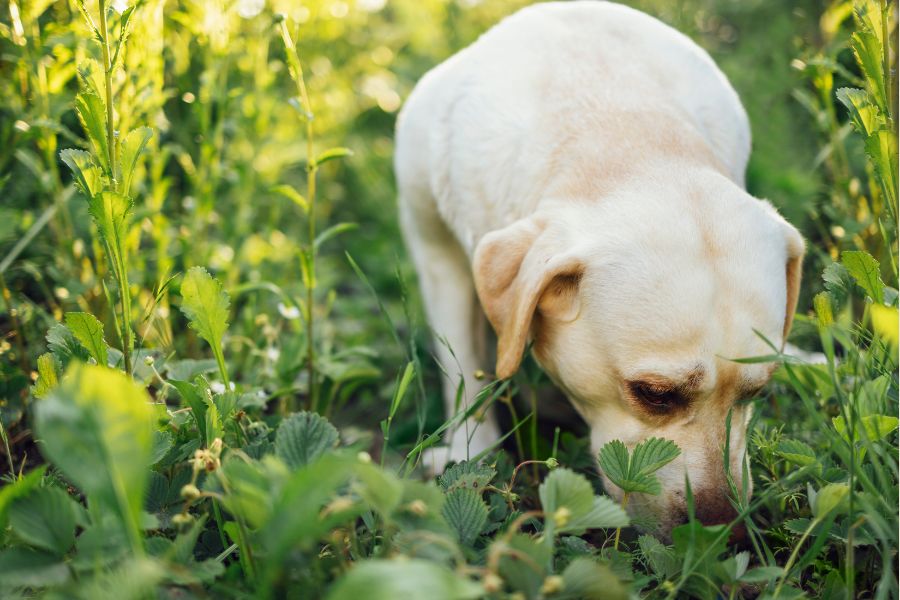
Dogs nibbling on grass is a frequent and often puzzling behavior for many pet owners. While it may appear harmless or quirky, the question remains: can eating grass cause harm to your dog?
This blog dives into the potential risks, benefits, and expert advice to help you understand this common canine habit and keep your furry friend safe.
The Green Lawn or Hidden Danger?
At first glance, grass seems like a simple and natural snack for dogs, but beneath this curious behavior hides some potential hazards. One of the chief concerns is the possibility of pesticides, herbicides, or fertilizers contaminating the grass your dog chews. These chemicals, often invisible to the eye, can poison dogs, causing symptoms ranging from digestive upset to severe toxicity.
Additionally, grass exposed to fecal matter from other animals may harbor parasites like roundworms or hookworms. These parasites can infect your dog, resulting in weight loss, diarrhea, or more serious health complications. Therefore, understanding the environment where your dog accesses grass is crucial to prevent the inadvertent ingestion of harmful substances.
When Grass Becomes Gut Trouble
Excessive grass consumption can sometimes lead to gastrointestinal issues in dogs. Ingesting large quantities of grass may cause blockage or irritation in the intestines, which can be dangerous and require veterinary intervention.
Furthermore, some dogs eat grass due to underlying digestive discomfort or illnesses like inflammatory bowel disease or pancreatitis. If your dog frequently eats grass and displays vomiting, lethargy, or appetite changes, it’s best to consult a veterinary clinic in North Charleston, SC for a thorough examination.
Natural Instinct or Nutritional Need?
Interestingly, many experts believe that grass eating can be an instinct or a way for dogs to supplement their diet with fiber. Since dogs are omnivores, plant matter like grass can aid digestion and help regulate bowel movements. Some dogs might instinctively seek out grass if their diet lacks sufficient fiber.
However, behavioral factors often play a role. Dogs may eat grass out of boredom, anxiety, or to relieve stress, especially if they are left alone for long periods. Providing plenty of physical and mental stimulation can reduce this habit and improve your dog’s overall well-being.
Safety Tips for Pet Owners
To protect your dog, always check your yard or walking areas for harmful chemicals or dangerous substances. Avoid allowing your dog to graze in places treated with pesticides or exposed to unknown animals’ waste. Regular parasite prevention and vet check-ups are essential to keep your dog healthy.
If you’re concerned about your dog’s grass eating or notice any signs of illness, don’t hesitate to visit a veterinary clinic in North Charleston, SC. Early intervention can prevent serious health issues and keep your pup happy.
Eating grass is a complex behavior influenced by multiple factors, from instincts to environmental hazards. Responsible pet ownership involves monitoring what your dog ingests and seeking professional care when needed. For personalized advice and veterinary care, reach out to a trusted veterinary clinic to keep your pet healthy and safe.
Frequently Asked Questions (FAQs)
1. What Does It Mean When Dogs Eat Grass?
A: Dogs may eat grass due to instinct, dietary fiber needs, boredom, or to self-soothe digestive discomfort. While common, it can sometimes indicate an underlying health problem needing vet evaluation.
2. Should You Allow Your Dog to Eat Grass?
A: Occasional grass eating is generally safe if the environment is free from pesticides and contaminants. However, supervising and discouraging frequent or excessive grass consumption is advisable to avoid health risks.
3. What Nutritional Deficiencies Cause Dogs to Eat Grass?
A: Grass eating may indicate a fiber deficiency in your dog’s diet. Ensuring a balanced diet rich in fiber can reduce this behavior, but consult your vet for precise nutritional guidance.
4. Do Dogs Eat Grass When They Are Sick?
A: Some dogs eat grass when they feel unwell, possibly to induce vomiting or ease stomach discomfort. If your dog frequently eats grass and shows other distress signs, veterinary advice is recommended