New Clients Enjoy $40 OFF Their First Exam!*
The Canine Habit Explained: Why Dogs Circle Before Lying Down


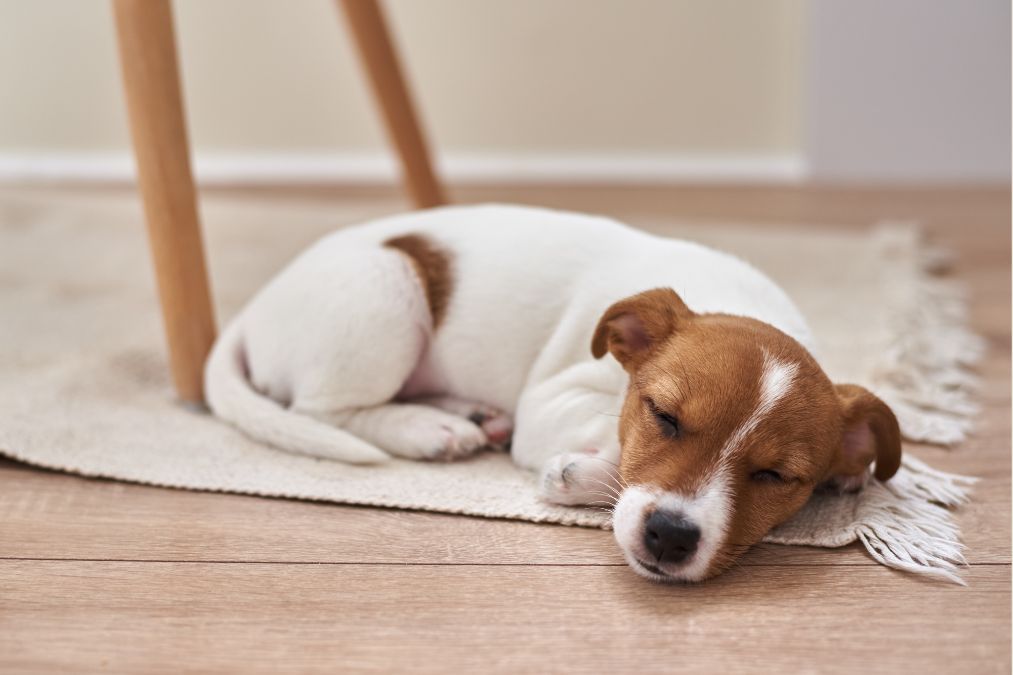
Dogs fascinate us with their quirky routines, and one of the most common sights is a pup circling a few times before finally curling up for a nap. While it might look like nothing more than a charming ritual, this behavior holds deeper roots in instinct, comfort, and even health.
By exploring the reasons behind this habit, we also uncover how it ties into the bigger picture of pet wellness, particularly as dogs age and their needs evolve.
Spinning Through History: A Survival Instinct That Stuck
To understand why dogs circle before lying down, we must first step back into their wild ancestry. Long before dogs became our loyal companions, their ancestors lived in the wild, where preparing a safe sleeping spot was essential for survival.
Circling allowed them to:
- Flatten grass or foliage to make a comfortable bed.
- Spot potential threats before resting.
- Align themselves with the wind for scent awareness.
Though domesticated dogs no longer need to create a den in the grasslands, the instinct remains deeply wired in their behavior. Much like how we pull the blanket just right before sleep, dogs circle as a way of preparing their “nest.”
The Comfort Factor: Shaping the Perfect Resting Place
Another reason dogs circle is comfort. Just as we adjust pillows and toss around before settling in, dogs are making their resting area just right. The circling may help distribute body weight evenly and release tension in their muscles.
In younger dogs, this is typically a harmless and even endearing act. However, when older dogs circle excessively, it may signal discomfort caused by aching joints or other health concerns. At this stage, linking behavior to wellness becomes essential.
Senior Dogs and Circling: More Than Just a Habit
As dogs age, their bodies undergo changes that may alter how they express natural behaviors. For senior pets, circling before lying down could be influenced by:
- Arthritis or joint stiffness that makes finding a comfortable position more challenging.
- Cognitive changes that affect routine behaviors.
- Anxiety or restlessness due to aging or medical conditions.
For pet owners, noticing changes in how often or how long their senior dog circles can provide valuable insight into their health. A dog that circles endlessly before settling might not just be following instinct—it could be signaling discomfort.
When Circling Becomes a Wellness Clue
The act of circling can serve as a window into a dog’s overall wellness. While the occasional spin is perfectly normal, consistent or excessive circling may indicate deeper issues such as hip dysplasia, neurological conditions, or even skin irritations.
Veterinarians often advise paying close attention to patterns. Does the circling take longer than usual? Does your dog whine or hesitate while trying to settle? These small details can make a big difference in identifying emerging health concerns, especially in senior pets.
Pet Wellness Care and the Bigger Picture
Here is where pet wellness care in North Charleston plays a critical role. Regular wellness exams help track behavioral patterns alongside physical health, ensuring no subtle signs go unnoticed. Senior pet care often involves monitoring mobility, weight, and comfort levels. Circling behavior can act as an early indicator that it’s time for joint support therapies, pain management, or even adjustments in bedding to enhance rest.
By connecting natural behaviors like circling to wellness strategies, pet owners can create a proactive approach to care. Instead of dismissing circling as “just a quirk,” it becomes a meaningful signal within the broader framework of lifelong health.
The Comfort Connection: Creating the Right Sleep Environment
Wellness care doesn’t stop at medical checkups. A comfortable environment plays an equally important role in how dogs sleep and settle. Pet owners can support their dogs—especially seniors—by:
- Providing orthopedic beds to relieve pressure on joints.
- Keeping sleeping areas warm and draft-free.
- Ensuring safe, quiet spaces that reduce stress.
These adjustments not only improve sleep but also make circling less strenuous for aging pets.
From Instinct to Insight: What Pet Owners Should Remember
The simple act of circling before lying down reveals much more than habit. It’s an ancient instinct, a comfort-seeking ritual, and, in some cases, a wellness clue. For senior pets, circling can be a marker of health changes that deserve attention.
By pairing an understanding of this natural behavior with regular wellness care, owners can provide their dogs with the comfort and support they need at every stage of life. After all, every circle is a story—a story of instinct, adaptation, and the enduring bond between humans and their loyal companions.
Next time you see your dog circling before bed, pause for a moment. That little spin connects them to their ancestors, comforts them before rest, and may even offer insight into their well-being. By watching closely and embracing comprehensive wellness care, you can ensure your dog’s circles always lead to restful sleep and a healthier, happier life.