
New Clients Enjoy $40 OFF Their First Exam!*
Beyond the Stethoscope: A Pet Parent’s Guide to Understanding Vital Signs at Checkups


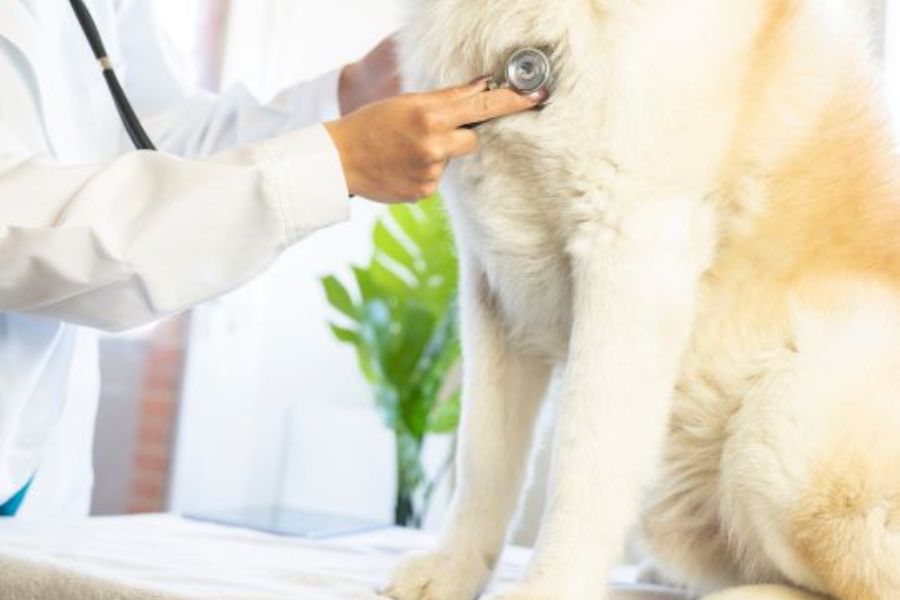
When you take your pet for a routine checkup, you might see the veterinarian checking their heart, looking into their eyes, or gently feeling their body. While it may look simple, these actions provide crucial information about your pet’s overall health. Understanding these vital signs not only helps you feel more involved but also allows you to recognize when something might be wrong between visits.
In this guide, we’ll explore the key vital signs your veterinarian measures during a checkup—and what they mean for your furry friend’s well-being.
1. Why Vital Signs Matter
Vital signs are the essential indicators of life. They help veterinarians assess how well your pet’s body is functioning in real time. From temperature to breathing rate, these measurements give a quick snapshot of health.
Moreover, tracking these signs over time can reveal changes that may indicate early stages of illness. This is why veterinarians record them at each visit—they serve as a baseline for comparison.
2. Temperature: More Than Just Feeling Warm
Your pet’s body temperature tells a lot about their health status. For most dogs and cats, a normal temperature ranges between 100°F and 102.5°F.
During a checkup, the vet will use a thermometer—often rectally or with an ear device—to get an accurate reading. A higher temperature might indicate infection or inflammation, while a lower one can point to shock or hypothermia.
Transitioning from one visit to the next, your veterinarian will compare records. If there’s even a slight shift in temperature trends, they may suggest further tests to catch potential health concerns early.
3. Heart Rate: The Rhythm of Health
A steady, normal heart rate is a sign of a well-functioning cardiovascular system. Generally:
- Dogs: 60–140 beats per minute (varies with size and breed)
- Cats: 140–220 beats per minute
Your vet listens to your pet’s heart with a stethoscope to detect irregularities. A rapid heartbeat could be linked to stress, pain, or heart disease, while a slower rate might signal underlying metabolic issues.
Not only does heart rate reflect physical health, but it also shows emotional responses. For example, a nervous pet may experience temporary increases in heart rate during the exam.
4. Respiratory Rate: Breathing Easy
Breathing is one of the most visible vital signs. A healthy resting rate is typically:
- Dogs: 10–35 breaths per minute
- Cats: 20–30 breaths per minute
During checkups, vets observe breathing patterns for signs of distress, wheezing, or labored breathing. Unusual sounds can point to respiratory infections, allergies, or even heart conditions.
Smooth, effortless breathing is always a good sign, and noticing changes early can help prevent more serious problems.
5. Mucous Membranes & Capillary Refill Time
The color of your pet’s gums says more than you think. Healthy gums are usually a light pink, indicating proper blood circulation. Pale gums might signal anemia, while bluish gums could indicate oxygen deprivation.
Capillary refill time (CRT) measures how quickly blood returns to the gums after gentle pressure. A normal CRT is about 1–2 seconds. Delays may suggest dehydration or circulatory issues.
6. Hydration Levels: Staying Balanced
Water plays a critical role in every body system. Dehydration can cause serious health problems if left unaddressed. During a checkup, your vet might check hydration by gently lifting the skin on your pet’s neck or shoulders. If it snaps back quickly, hydration is normal; if it stays “tented,” dehydration may be present.
Keeping an eye on your pet’s water intake at home can help you detect changes before they become severe.
7. Weight & Body Condition Score
While not a “vital sign” in the strictest sense, weight is an essential health indicator. Sudden weight loss or gain can point to issues like thyroid problems, diabetes, or digestive disorders.
Your vet may also assign a Body Condition Score (BCS), which measures overall body fat and muscle tone. Maintaining a healthy weight reduces strain on joints, supports organ function, and increases lifespan.
8. Taking This Knowledge Home
Understanding vital signs empowers you to take an active role in your pet’s health. Between checkups, you can monitor breathing, heart rate, and gum color at home. If something seems off, you’ll know it’s time to reach out to your veterinarian.
For example, if you notice your dog panting excessively at rest or your cat’s gums turning pale, you’ll be equipped to act quickly, provide local, O’fallon’s pet preventive care, and possibly prevent a serious health crisis.
9. A Partner in Your Pet’s Care
Regular wellness visits ensure that these vital signs are checked and recorded, providing valuable data for your pet’s medical history. For pet parents, The Animal Hospital of North Charleston, a trusted vet clinic, provides thorough checkups to keep your pets in top shape year-round.
Vital signs are your pet’s silent language, speaking volumes about their well-being. By understanding what each measurement means, you can better communicate with your veterinarian and advocate for your furry friend’s health.
Next time you’re at a checkup, watch closely as your vet examines your pet—you’ll see that every stethoscope placement, temperature reading, and gum check is a small but powerful step toward a longer, healthier life for your companion.