
New Clients Enjoy $40 OFF Their First Exam!*
Under the Knife: A Pet Parent’s Guide to Common Surgeries and Pre-Op Prep


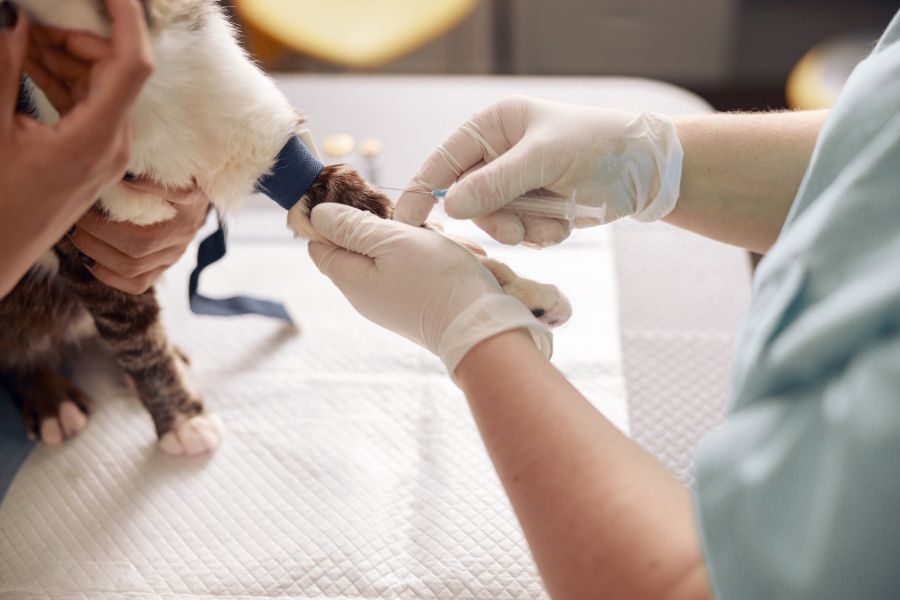
Whether your pet needs a routine spay or a life-saving operation, the idea of surgery can stir up anxiety for any loving owner. Fortunately, with the right preparation and knowledge, you can help your furry companion face surgery with less stress and a greater chance for a smooth recovery.
This blog covers the most common pet surgeries and offers actionable steps to ensure your pet is ready, physically and emotionally. Read on to become the confident, prepared pet parent your companion needs!
1. Snip, Tuck, Heal: The Most Common Pet Surgeries
Pets may require surgery for various reasons. Some procedures are elective and preventive, while others become urgent due to accidents or illness. The most frequently performed surgeries include:
- Spaying and Neutering – These routine procedures prevent unwanted litters and reduce the risk of certain cancers.
- Dental Cleanings and Extractions – Vital for maintaining oral and overall health, especially in senior pets.
- Mass Reavals – Often done to biopsy growths or eliminate tumors.
- Foreign Object Removal – Pets love chewing things they shouldn’t. Swallowed objects often require surgical intervention.
- Orthopedic Surgery – Repairs to torn ligaments or broken bones are common, especially in active or aging pets.
Knowing the type of surgery your pet needs helps you ask better questions and prepare more effectively.
2. Vet Talk: Understanding the Procedure
Before the big day, schedule a detailed discussion with your veterinarian. Make sure to ask for a complete rundown of the procedure, how long recovery might take, and any potential risks involved. Most veterinary clinics, including those offering pet surgery in North Charleston, provide pre-surgery consultations that ease your concerns and clarify the process.
Make sure to:
- Discuss your pet’s medical history.
- Review current medications.
- Understand post-op care and restrictions.
3. The Pre-Op Checklist: Get Ready Like a Pro
Preparation begins at home. Here are the key steps to follow before your pet’s surgery:
- Fasting: When it comes to surgeries, most pets need to fast for about 8 to 12 hours beforehand. Just a heads up! Always confirm exact timing with your vet.
- Medications: Follow vet instructions if your pet is on regular meds. Some may need to be paused.
- Comfort Items: Bring their favorite blanket or toy to the clinic. It helps reduce stress before and after surgery.
- Transportation: Use a secure crate or pet seatbelt for safety during travel to and from the vet.
- Questions: Write down any last-minute questions or concerns so nothing is forgotten.
Being well-prepared not only comforts your pet but also helps your vet team perform at their best.
4. The Day Of: Calm, Collected, Compassionate
On surgery day, stay calm—your pet can sense your emotions. Arrive early and follow your vet’s instructions closely. Most clinics will give you an estimated pickup time.
Post-op, your vet will likely:
- Share how the procedure went.
- Offer pain management tips.
- Provide dietary and activity instructions.
- Recommend a follow-up appointment.
Make sure your contact number is available in case the clinic needs to reach you during surgery.
5. Aftercare Essentials: Healing Happens at Home
Don’t underestimate the recovery phase; it’s just as vital as the surgery itself. To promote healing:
- Create a quiet recovery area free from children and other pets.
- Prevent licking or biting at the surgical site by using an e-collar or recovery suit.
- Administer meds exactly as prescribed—never skip doses.
- Monitor for complications like swelling, bleeding, or changes in appetite.
- Limit activity, especially if the surgery involved joints or muscles.
Stick to post-surgery instructions carefully to help your pet recover safely and quickly.
6. When Things Don’t Go As Planned
While most surgeries go smoothly, complications can arise. Call your vet immediately if your pet shows:
- Labored breathing
- Uncontrolled bleeding
- Vomiting or diarrhea
- Lethargy or confusion
- Refusal to eat after 24 hours
Timely care prevents minor issues from turning serious.
7. Why Preparation Makes All the Difference
From scheduling the procedure to bringing your pet home, your role is crucial every step of the way. Clinics specializing in pet surgery in North Charleston emphasize how pre-operative planning and post-operative care drastically impact outcomes.
By staying proactive, informed, and supportive, you not only minimize risks but also provide your furry friend with the comfort and confidence they need for a healthy recovery.
While the idea of surgery can be intimidating, being educated and prepared transforms you into your pet’s strongest ally. From common procedures to specialized treatments, knowing what to expect—and how to respond—makes the journey easier for both of you.
When you’re in trusted hands, like those offering expert pet surgery in North Charleston, you can rest assured that your companion is receiving top-quality care.
FAQs: Your Top Pet Surgery Questions Answered
1. How can I tell if my pet is in pain after surgery?
A: Look for signs like whimpering, limping, hiding, or decreased appetite. Always consult your vet for guidance on pain management.
2. Can my pet eat after surgery?
A: Most pets can eat a small meal a few hours post-op, depending on the type of surgery. Follow your vet’s instructions.
3. How long is the recovery time?
A: Recovery varies based on the procedure and your pet’s health, but generally ranges from a few days to several weeks.
4. Should I crate my pet during recovery?
A: Yes, especially after orthopedic surgery. Limiting movement prevents complications and speeds healing.
5. Is anesthesia safe for pets?
A: Modern veterinary anesthesia is generally very safe. Vets screen pets thoroughly before surgery to minimize risks.
6. What if my pet licks the incision?
A: Use an e-collar or recovery cone to prevent licking, which can cause infections or reopen the wound.
Related Articles

